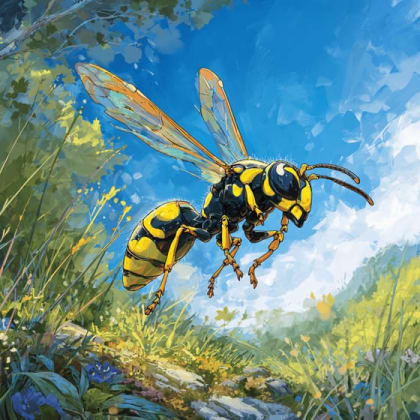


Ailanthus Webworm Moth
Atteva aurea
The Ailanthus Webworm Moth is a colorful little moth with bright yellow and black stripes. It loves to flutter around trees and is often seen in gardens during warm months.
Lebensraum: Urban areas
The Ailanthus Webworm Moth has striking yellowish-orange wings adorned with iridescent blue-black spots and stripes, giving it a jewel-like appearance. Its slender body and long antennae contribute to its distinct, almost wasp-like look, making it easily distinguishable.
Kategorie
InsektenSeltenheit
Common
Gefahr
1/5 · Sehr gering
Snaps
Mach den ersten Snap!
Its caterpillar can eat so much it completely defoliates an entire tree!
The vibrant colors of this moth warn predators to stay away, like a secret code!
This moth's larvae live together inside silken webs on their host plant.
Unlike many moths, the Ailanthus Webworm Moth is active and flies during the daytime.
Ailanthus Webworm Moths have bright, contrasting patterns that help them mimic wasps, deterring predators who mistake them for stinging insects.
Ailanthus Webworm Moth larvae can spin protective silk webs around their food source, which helps them stay safe from birds and other threats.
Ailanthus Webworm Moth caterpillars consume toxins from host plants, making them unpalatable to many predators that might try to eat them.
Larvae munch on tree leaves while adults sip sweet nectar from various flowers.
Altersunterschiede: Larvae (caterpillars) chew on leaves, while adult moths sip flower nectar.
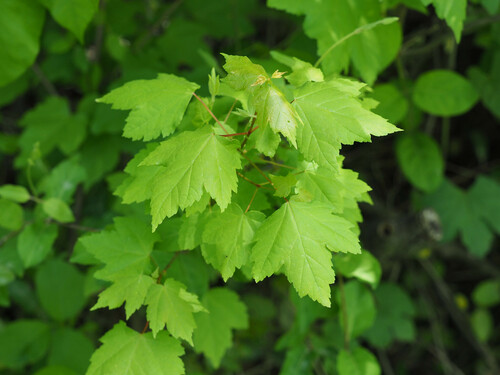
Ailanthus altissima
Larvae exclusively feed on its leaves for growth.
Turdus migratorius
Moths and caterpillars are a food source for birds.
Apanteles atrevi
Wasp larvae develop inside the moth's caterpillar host.
Gekennzeichnet durch parallele Farbstreifen oder -linien.
Einzelgänger leben den größten Teil ihres Lebens allein und interagieren mit Artgenossen nur zur Paarung oder zur Aufzucht der Jungen.
Dieses Merkmal kennzeichnet Organismen, die kunstvolle Seidennetze bauen, um Beute zu fangen, Schutz zu finden oder sich fortzupflanzen.
Beschreibt Pflanzen, die für eine Vielzahl von bestäubenden Organismen besonders attraktiv und nützlich sind.

Farbenfroh beschreibt Organismen oder Objekte, die eine große Vielfalt an leuchtenden und deutlich erkennbaren Farben aufweisen.

Dieses Merkmal kennzeichnet Lebewesen, deren Ernährung vollständig oder hauptsächlich aus pflanzlichem Material besteht.

Tagaktive Tiere sind hauptsächlich bei Tageslicht aktiv und ruhen oder schlafen in der Regel nachts.

Dieses Lebensraummerkmal weist auf Arten hin, die in städtischen und vorstädtischen Umgebungen mit Menschen zusammenleben können und von Menschen geschaffene Strukturen sowie Grünflächen nutzen.

Beschreibt Organismen, die Pollen übertragen und so die Befruchtung und Fortpflanzung von Pflanzen ermöglichen.
Noch keine Alternativnamen vorhanden.
Gefahr
1/5 · Sehr gering
Moths are usually safe to watch, but don't touch them as they can be delicate.
25-35 mm
10-15 mm
15-30 Tage
Larvae munch on tree leaves while adults sip sweet nectar from various flowers.
Urban areas
Foraging
6
Zoome hinein, um Cluster aufzulösen und zu sehen, wo dieses Objekt fotografiert wurde.
Neueste Snaps erscheinen hier, wenn neue Beobachtungen hinzukommen.




.jpg)
.jpg&width=800)