




Alfalfa
Medicago sativa
Alfalfa is a special plant that farmers grow to feed animals like cows and horses. It has tiny purple flowers and helps enrich the soil where it grows.
Lebensraum: Farms, Grasslands
The Alfalfa has slender, upright stems with trifoliate leaves, meaning each leaf stalk carries three oval leaflets. Its small, pea-like flowers are typically vibrant purple or blue, growing in dense, short clusters at the stem tips, resembling miniature grape clusters.
Kategorie
PflanzenSeltenheit
Common
Gefahr
1/5 · Sehr gering
Snaps
Mach den ersten Snap!
Alfalfa flowers are tiny, but they attract many busy bees and butterflies!
Ancient Greeks and Romans fed alfalfa to their horses for strength.
It's a cousin to peas and beans, all part of the special legume plant family.
Its name 'Alfalfa' comes from Arabic, meaning 'father of all foods'!
Alfalfa can pull nitrogen from the air and store it in the soil, acting like a natural fertilizer for other plants!
Alfalfa has incredibly deep roots that can reach water far underground, helping it survive long dry spells.
Alfalfa can quickly regrow after being cut, allowing farmers to harvest it multiple times throughout the year.
Apis mellifera
Bees gather nectar and pollen from its flowers.

Bos taurus
Cattle eat alfalfa as a highly nutritious forage.
Ensifer meliloti
Bacteria in its roots fix nitrogen from the air.
Ovis aries
Sheep often graze on alfalfa in pastures.
Beschreibt Organismen, die in der Lage sind, atmosphärischen Stickstoff in für Pflanzen nutzbare Verbindungen umzuwandeln.
Heilpflanzen besitzen chemische Verbindungen, die für therapeutische Zwecke zur Behandlung von Krankheiten oder zur Erhaltung der Gesundheit eingesetzt werden können.
Grasland-Lebensräume sind terrestrische Biome, die von Gräsern und krautigen Pflanzen dominiert werden und einer Vielzahl von Weidetieren als Lebensraum dienen.
Dieses Merkmal der menschlichen Nutzung beschreibt Arten, die von Menschen für landwirtschaftliche Zwecke angebaut oder domestiziert werden, einschließlich Nutzpflanzen und Nutztieren.

Schnellwachsende Pflanzen weisen eine beschleunigte Wachstumsrate auf und nehmen innerhalb kurzer Zeit schnell an Größe und Biomasse zu.
Gefahr
1/5 · Sehr gering
If you see alfalfa in the wild, it's best not to eat it unless an adult says it's safe.
30-90 cm
30-60 cm
0.5-1 cm
Spring to fall
Ja
Keine
Mehrjährig
Insekten
Zoome hinein, um Cluster aufzulösen und zu sehen, wo dieses Objekt fotografiert wurde.
Neueste Snaps erscheinen hier, wenn neue Beobachtungen hinzukommen.

Utah, US
Hier kann man sehen Showy Milkweed und Black-Spotted Lady Beetles.
Führer anzeigen →

British Columbia, CA
Hier kann man sehen Yellow-Bellied Marmot, Rubber Rabbitbrush und Siberian Elm.
Führer anzeigen →
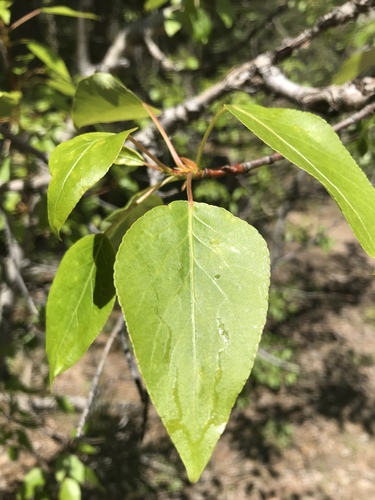
British Columbia, CA
Hier kann man sehen Black Cottonwood, Oregon Grape und Showy Milkweed.
Führer anzeigen →
.jpg)
South Dakota, US
Hier kann man sehen Least Chipmunk und Rocky Mountains Ponderosa Pine.
Führer anzeigen →

South Dakota, US
Hier kann man sehen Scarlet Globemallow, Leadplant und Yellow Salsify.
Führer anzeigen →
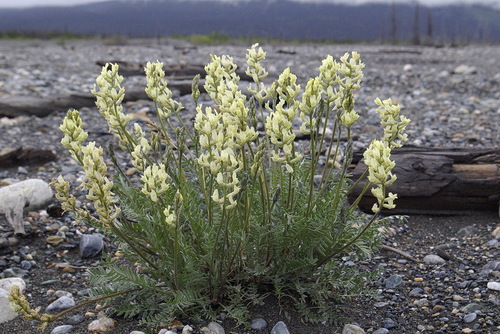
British Columbia, CA
Hier kann man sehen Field Locoweed, Silky Lupine und Wax Currant.
Führer anzeigen →

















