.jpg&width=800)





American Sand Wasp
Bembix americana
The American Sand Wasp is a small, friendly insect that loves to dig in the sand. It makes little holes in the ground where it lays its eggs. These wasps are busy and help keep nature balanced!
Lebensraum: Sandy areas
The American Sand Wasp has a robust body, primarily black with bright yellow bands on its abdomen. It features a large head with prominent green eyes and strong mandibles. Its wings are clear and slightly smoky, setting it apart from more slender, solid-colored wasps.
Kategorie
InsektenSeltenheit
Common
Gefahr
2/5 · Gering
Snaps
Mach den ersten Snap!
Mom wasps fill underground nurseries with paralyzed flies for their babies!
Some female wasps will steal food from other sand wasps' burrows!
Their rapid, erratic flight makes them incredibly difficult to catch in mid-air.
They often "dance" over their nest entrance, remembering its location perfectly.
American Sand Wasp has a venomous sting that helps them paralyze prey, ensuring fresh food for their young in the burrow.
American Sand Wasp can perform fast, agile flights because of its strong wing muscles, allowing it to quickly catch other flying insects.
Adults drink nectar, while larvae feast on flies paralyzed by their mother.
Altersunterschiede: Adults feed on flower nectar, while larvae are carnivorous, consuming flies provisioned by the mother.
Musca domestica
Paralyzes and provisions for its larvae.
Sarcophaga carnaria
Captures for its developing young in underground burrows.
Argiope aurantia
Can be caught in large orb webs while flying.
Solidago canadensis
Adults visit flowers for nectar, aiding pollen transfer.
Einzelgänger leben den größten Teil ihres Lebens allein und interagieren mit Artgenossen nur zur Paarung oder zur Aufzucht der Jungen.
Dieses Merkmal kennzeichnet Organismen, deren Nahrung hauptsächlich aus Insekten und anderen kleinen Wirbellosen besteht.
Dieses Merkmal kennzeichnet Organismen, deren Ernährung vollständig oder hauptsächlich aus tierischem Gewebe besteht.
Bezieht sich auf Arten, die deutlich kleiner sind als der Durchschnitt oder das Typische ihrer Art.

Tagaktive Tiere sind hauptsächlich bei Tageslicht aktiv und ruhen oder schlafen in der Regel nachts.

Beschreibt Organismen, die Pollen übertragen und so die Befruchtung und Fortpflanzung von Pflanzen ermöglichen.
Noch keine Alternativnamen vorhanden.
Gefahr
2/5 · Gering
Don't bother wasps if you see them digging; they are usually not harmful.
25-35 mm
15-20 mm
20-45 Tage
20 km/h
Adults drink nectar, while larvae feast on flies paralyzed by their mother.
Sandy areas
Pursuit
6
Zoome hinein, um Cluster aufzulösen und zu sehen, wo dieses Objekt fotografiert wurde.
Neueste Snaps erscheinen hier, wenn neue Beobachtungen hinzukommen.

Washington, US
Hier kann man sehen Kanadagans, Gänseblümchen und Ente.
Führer anzeigen →
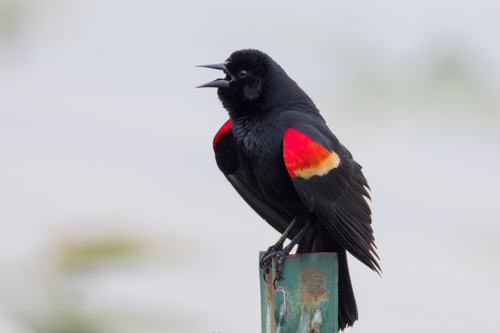
British Columbia, CA
Hier kann man sehen Rotschulterstärling, Sumpfschwalbe und Kanadareiher.
Führer anzeigen →
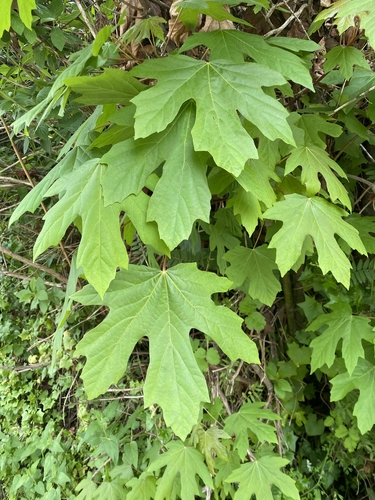
British Columbia, CA
Hier kann man sehen Bigleaf Maple, Western Sword Fern und Vanilla Leaf.
Führer anzeigen →
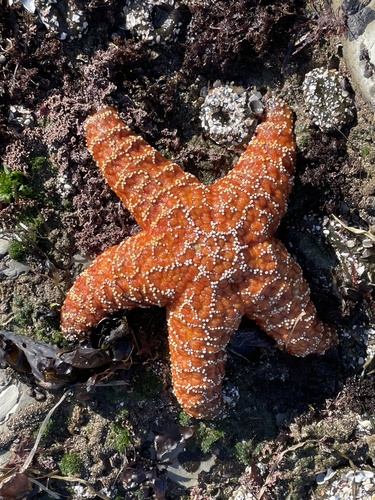
Washington, US
Hier kann man sehen Ochre Sea Star, Purple Shore Crab und Strawberry Tree.
Führer anzeigen →
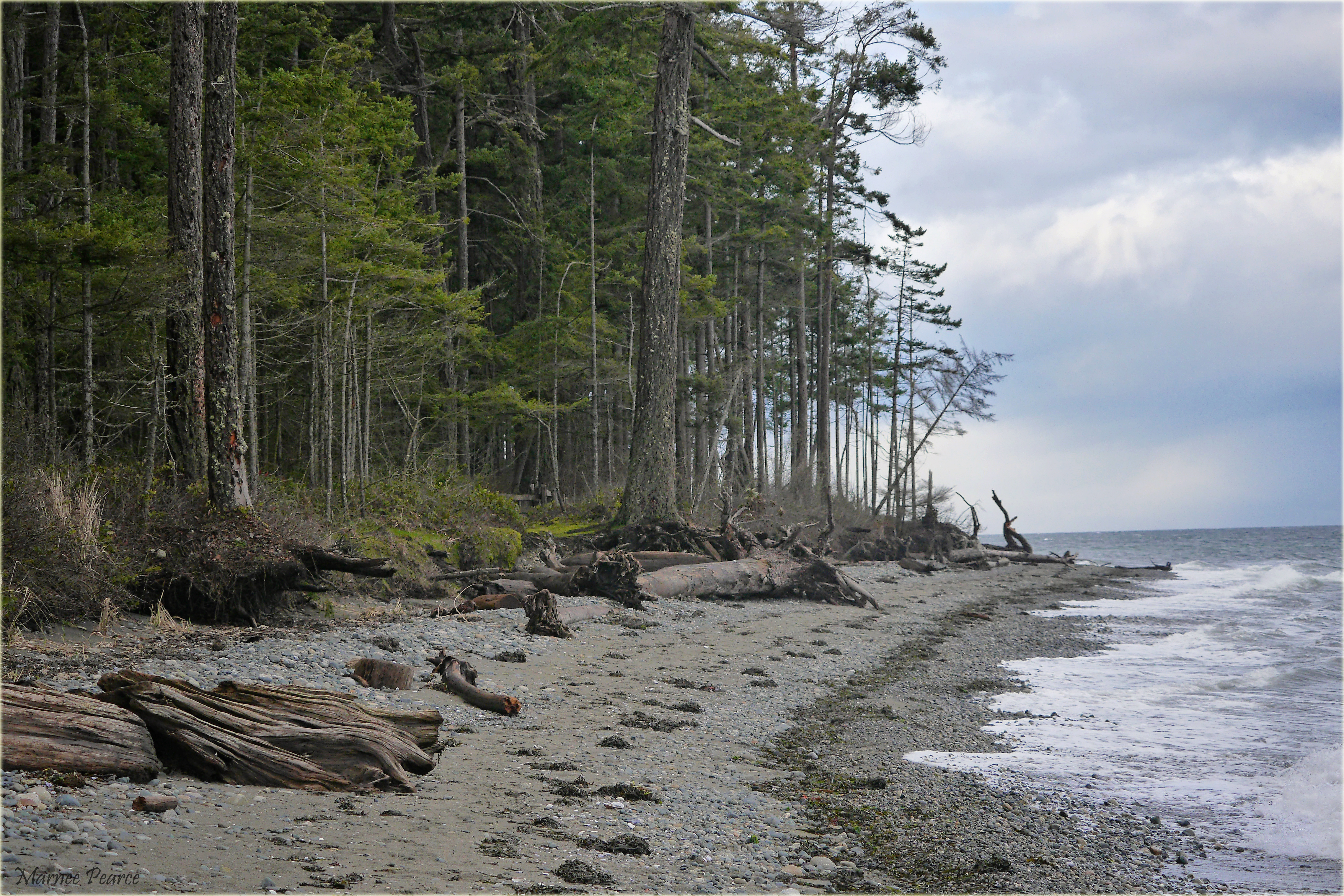
British Columbia, CA
Hier kann man sehen Wildkaninchen, Yellow Shore Crab und Nootka Rose.
Führer anzeigen →
British Columbia, CA
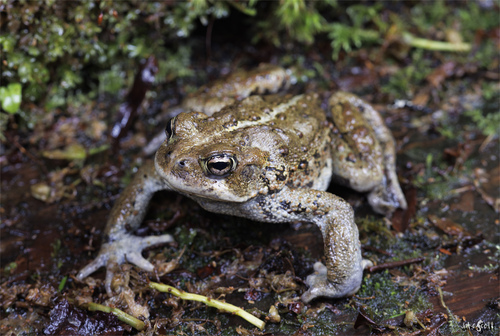
Hier kann man sehen Western Toad, Himalayan Balsam und Western Sword Fern.
Führer anzeigen →