



Argentine Black-and-white Tegu
Salvator merianae
The Argentine Black-and-white Tegu is a large lizard with beautiful black and white patterns. They are curious creatures that love to explore their surroundings and can even be friendly with people!
Lebensraum: Grasslands
The Argentine Black-and-white Tegu is a large, powerful lizard featuring a striking pattern of black and white bands or spots across its body and tail. It has a robust build, strong limbs, and a pointed head, making it distinctly recognizable among South American reptiles.
Kategorie
ReptilienSeltenheit
Common
Gefahr
2/5 · Gering
Snaps
Mach den ersten Snap!
Baby tegus are sometimes greener, changing colors as they grow into striking adults!
Tegus are surprisingly smart lizards; they can even be clicker-trained like some pets!
These powerful lizards can easily raid nests for delicious bird and reptile eggs!
They enter a long winter sleep called brumation, staying safe in deep burrows for months!
Argentine Black-and-white Tegu can locate hidden food and track prey using its forked tongue to 'taste' scents in the air.
Argentine Black-and-white Tegu can raise its body temperature above the environment, even creating internal warmth like mammals.
Argentine Black-and-white Tegu has a thick, muscular tail that can be used to whip predators, defending itself effectively.
These smart lizards are omnivores, eating almost anything from fruits to small animals.
Altersunterschiede: Juveniles eat more insects; adults consume more fruits, eggs, and small vertebrates.
Boa constrictor
A primary predator, especially of younger tegus and eggs.
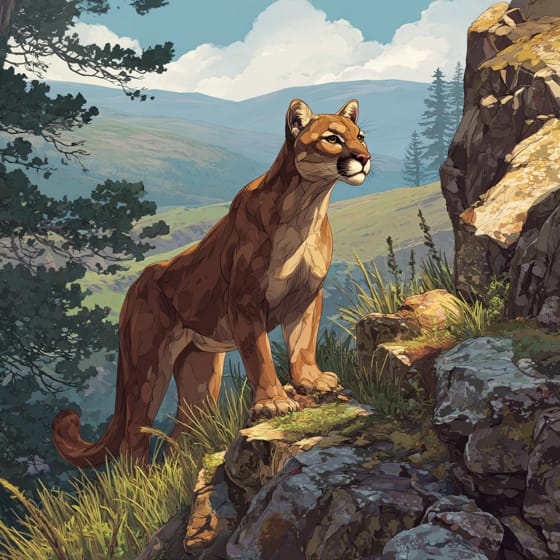
Puma concolor
Large cat that preys on adult tegus in their natural habitat.
Passiflora edulis
Tegus enjoy eating the ripe, sweet fruit from passion fruit vines.
Gryllus assimilis
Young tegus eagerly hunt and consume this common cricket species.
Caiman latirostris
Tegus often raid nests to eat the eggs of these caimans.
Gekennzeichnet durch parallele Farbstreifen oder -linien.
Soziale Tiere leben in organisierten Gruppen und kooperieren, um ihr Überleben zu sichern, beispielsweise bei der Nahrungssuche, Verteidigung und Aufzucht der Jungen.
Dieses Merkmal kennzeichnet Organismen, deren Ernährung sowohl pflanzliche als auch tierische Bestandteile umfasst.
Farbenfroh beschreibt Organismen oder Objekte, die eine große Vielfalt an leuchtenden und deutlich erkennbaren Farben aufweisen.

Grabende Tiere heben Tunnel und Kammern im Erdboden aus und nutzen diese unterirdischen Strukturen als Unterschlupf, zur Jagd oder zur Fortpflanzung.

Grasland-Lebensräume sind terrestrische Biome, die von Gräsern und krautigen Pflanzen dominiert werden und einer Vielzahl von Weidetieren als Lebensraum dienen.

Dieses Merkmal kennzeichnet Lebewesen, die bei der Jagd, Flucht oder Fortbewegung eine außergewöhnliche Schnelligkeit aufweisen.

Tagaktive Tiere sind hauptsächlich bei Tageslicht aktiv und ruhen oder schlafen in der Regel nachts.
Gefahr
2/5 · Gering
Always watch from a distance and never try to touch a wild lizard.
80-140 cm
3-9 kg
15-20 Jahre
18 km/h
These smart lizards are omnivores, eating almost anything from fruits to small animals.
2 km/h
Grasslands
Foraging
Zoome hinein, um Cluster aufzulösen und zu sehen, wo dieses Objekt fotografiert wurde.
Neueste Snaps erscheinen hier, wenn neue Beobachtungen hinzukommen.