


Asian Small Cats
Prionailurus
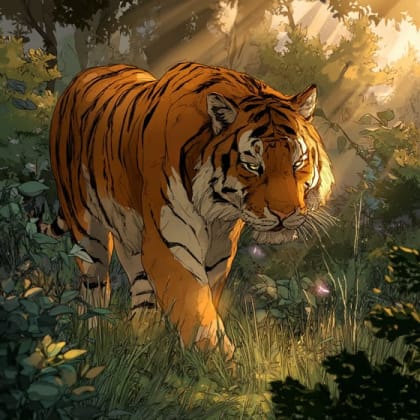
Asian Small Cats are tiny, playful cats that love to explore! They have beautiful spotted fur and are great at climbing trees. These little cats are very curious and enjoy playing in the grass.
Lebensraum: Wetlands
The Asian Small Cats has a varied appearance, often featuring spotted or marbled coats in shades of tawny, gray, or reddish-brown. Their bodies are typically slender with relatively short legs and a medium-length tail. Distinctive markings like stripes on the head or a white belly often differentiate them from larger, more uniform wild cats.
Kategorie
SäugetiereSeltenheit
Common
Gefahr
3/5 · Mittel
Snaps
Mach den ersten Snap!
Each small cat has unique spot patterns, like a natural fingerprint!
Some can purr when content, a sound rarely heard in the wild!
Their long whiskers help them navigate dark, tight spaces easily!
They communicate with each other using over a dozen different sounds!
Asian Small Cats can dive and swim expertly because of their webbed feet and water-resistant fur, helping them catch fish.
Asian Small Cats has sharp, retractable claws that help them climb trees quickly to hunt birds or escape danger.
Asian Small Cats can see incredibly well in the dark because of large eyes, allowing them to hunt unseen at night.
These agile hunters mostly eat small animals like rodents, birds, and even fish!

Rattus rattus
A primary food source for many small cat species.
Passer domesticus
Common bird prey caught by agile small cats.
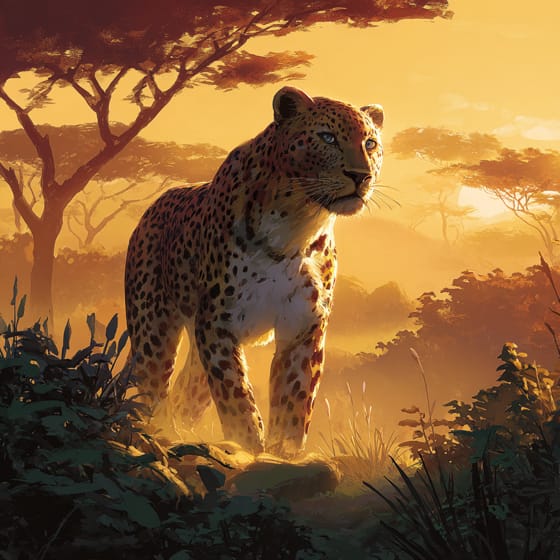
Panthera pardus
Larger predators may occasionally prey on small cats.
Python reticulatus
Large snakes can be a threat, especially to kittens.
Pelzig beschreibt Tiere, die eine dichte Schicht aus weichen Haaren oder Fell besitzen.
Mit Flecken oder farblich abgesetzten Bereichen gezeichnet.
Einzelgänger leben den größten Teil ihres Lebens allein und interagieren mit Artgenossen nur zur Paarung oder zur Aufzucht der Jungen.
Baumbewohnende Tiere leben hauptsächlich in Bäumen und nutzen diese als Unterschlupf, Nahrungsquelle und zum Schutz vor Raubtieren.

Dieses Lebensraummerkmal kennzeichnet Arten, die in Feuchtgebieten vorkommen. Dies sind Landflächen, die dauerhaft oder saisonal mit Wasser gesättigt sind, darunter Marschland, Sümpfe und Moore.

Dieses Merkmal kennzeichnet Organismen, deren Ernährung vollständig oder hauptsächlich aus tierischem Gewebe besteht.

Aquatische Lebensräume umfassen Umgebungen, in denen Organismen überwiegend im Wasser leben, darunter Ozeane, Flüsse, Seen und Feuchtgebiete.

Nachtaktive Tiere sind hauptsächlich in den Nachtstunden aktiv und ruhen oder schlafen normalerweise tagsüber.

Der Status 'Stark gefährdet' bedeutet, dass eine Art in naher Zukunft einem sehr hohen Risiko ausgesetzt ist, in freier Wildbahn auszusterben.
Gefahr
3/5 · Mittel
Always watch from a distance and never try to touch wild animals.
35-90 cm
1-16 kg
8-15 Jahre
40 km/h
These agile hunters mostly eat small animals like rodents, birds, and even fish!
Wetlands
Ambush
1-4
Zoome hinein, um Cluster aufzulösen und zu sehen, wo dieses Objekt fotografiert wurde.
Neueste Snaps erscheinen hier, wenn neue Beobachtungen hinzukommen.