Aucubas
aucuba
Aucubas are beautiful plants with glossy leaves that can brighten up any garden. They produce colorful berries that attract birds and other wildlife!
Lebensraum: Aucubas typically grow in wooded areas and gardens.
The Aucubas has shiny, leathery leaves, often dark green or beautifully variegated with yellow spots and splashes. It produces small, inconspicuous reddish-purple flowers followed by bright red, berry-like fruits that add winter color.
Kategorie
PflanzenSeltenheit
Common
Gefahr
1/5 · Sehr gering
Snaps
Mach den ersten Snap!
Wow! Aucuba berries are usually bright red and can last all winter long!
Wow! Aucuba is sometimes called 'Spotted Laurel' because of its unique leaf patterns!
Wow! Its glossy leaves look like they've been polished every single day!
Wow! Some Aucuba plants are male and others are female – only females grow berries!
Aucubas has adapted leaves that help it absorb light efficiently, allowing it to thrive in deep shade where many plants cannot survive.
Its vibrant red berries persist through winter, providing a splash of color and a food source for birds when other plants are bare.
Aucubas possesses strong roots and resilience, enabling it to withstand various soil types and challenging urban environments.
The unique yellow spots on some Aucuba leaves might deter hungry animals, acting as a visual warning or camouflage.
Turdus merula
Blackbirds eat its red berries, helping the plant spread its seeds.
Calliphora vicina
Tiny flies are attracted to the small flowers, assisting with pollination.
Homo sapiens
Humans plant Aucubas for their beauty and hardiness in gardens.
Einzelgänger leben den größten Teil ihres Lebens allein und interagieren mit Artgenossen nur zur Paarung oder zur Aufzucht der Jungen.
Farbenfroh beschreibt Organismen oder Objekte, die eine große Vielfalt an leuchtenden und deutlich erkennbaren Farben aufweisen.
Dieses Merkmal kennzeichnet Lebewesen, deren Ernährung vollständig oder hauptsächlich aus pflanzlichem Material besteht.
Waldlebensräume sind terrestrische Lebensräume, die von dichtem Baumbestand dominiert werden und eine große Vielfalt an Pflanzen- und Tierarten beherbergen.

Der Status 'Stark gefährdet' bedeutet, dass eine Art in naher Zukunft einem sehr hohen Risiko ausgesetzt ist, in freier Wildbahn auszusterben.
Gefahr
1/5 · Sehr gering
Noch keine besonderen Sicherheitshinweise.
100-300 cm
100-250 cm
0.5-1 cm
Frühling
Nein
Leicht
Mehrjährig
Insekten
Zoome hinein, um Cluster aufzulösen und zu sehen, wo dieses Objekt fotografiert wurde.
Neueste Snaps erscheinen hier, wenn neue Beobachtungen hinzukommen.
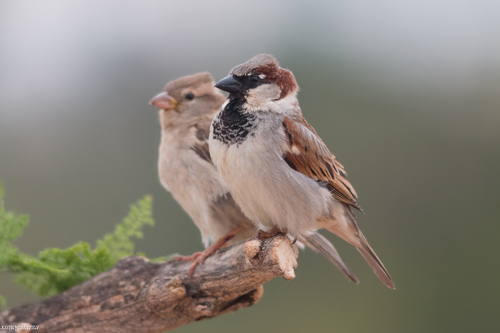
New York, US
Hier kann man sehen Haussperling, Paulownia und Felsentaube.
Führer anzeigen →
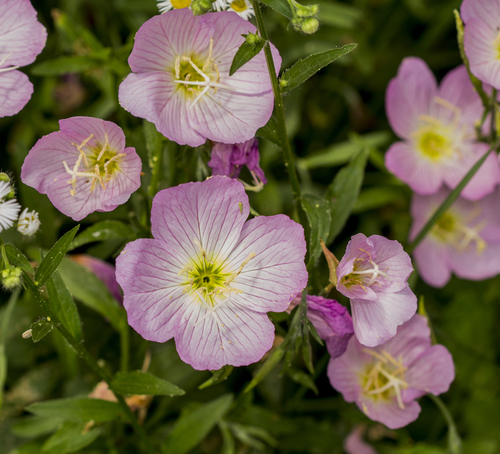
Virginia, US
Hier kann man sehen Pinkladies, Hickories und Japanese Aucuba.
Führer anzeigen →
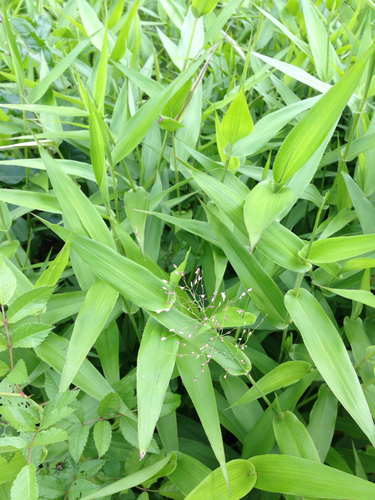
Virginia, US
Hier kann man sehen Deertongue, Cabbages and Mustards und Immergrüne Magnolie.
Führer anzeigen →