

Barestem Biscuitroot
Lomatium nudicaule
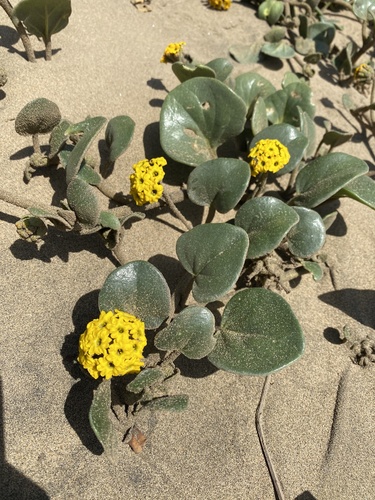
Barestem Biscuitroot is a special plant with bright yellow flowers that look like little stars. It grows in the wild and is a favorite snack for some animals. Its roots are tasty and can be eaten by people too!
Lebensraum: Grasslands
The Barestem Biscuitroot has striking yellow-green to bright yellow flower clusters, called umbels, that often appear on tall, leafless stalks before its fern-like basal leaves fully emerge. Its unique bare stems and broad, flattened seed pods make it stand out against rocky or dry landscapes.
Kategorie
PflanzenSeltenheit
Common
Gefahr
1/5 · Sehr gering
Snaps
Mach den ersten Snap!
Indigenous peoples traditionally harvested and cooked the starchy roots for food.
Its unique name "Biscuitroot" comes from its roots being dried and ground into flour!
Sometimes, its yellow flowers are among the very first splashes of color in springtime.
The wide, flat seeds can float on wind, carrying them far to start new plants.
Barestem Biscuitroot has a thick taproot that dives deep into the soil to find water, helping it survive in dry, arid places.
This plant can bloom very early in spring, giving it a head start on pollination before many other plants emerge.
Barestem Biscuitroot stores energy in its large, edible taproot, allowing it to regrow quickly after dry periods or grazing.
Andrena candida
Visits early spring flowers for nectar and pollen.
Odocoileus hemionus
Browses on the leaves and sometimes the flower heads.
_(6974266104).jpg&width=800)
Papilio zelicaon
Caterpillars feed on the leaves of this plant.

Thomomys bottae
Digs up and consumes the starchy taproots.
Aromatische Pflanzen produzieren und verströmen duftende flüchtige organische Verbindungen, oft zur Abwehr oder um Bestäuber anzulocken.
Blütenpflanzen sind alle Pflanzen, die als Teil ihres Fortpflanzungszyklus Blüten bilden.
Beschreibt Organismen, die in der Lage sind, atmosphärischen Stickstoff in für Pflanzen nutzbare Verbindungen umzuwandeln.
Frühlingsblüher bilden ihre Blüten im Frühjahr und kündigen oft das Ende des Winters und den Beginn neuen Wachstums an.

Beschreibt Pflanzen, die für eine Vielzahl von bestäubenden Organismen besonders attraktiv und nützlich sind.

Essbare Pflanzen sind diejenigen Pflanzenteile, die für den menschlichen Verzehr als unbedenklich gelten.

Grasland-Lebensräume sind terrestrische Biome, die von Gräsern und krautigen Pflanzen dominiert werden und einer Vielzahl von Weidetieren als Lebensraum dienen.
Noch keine Alternativnamen vorhanden.
Gefahr
1/5 · Sehr gering
Always ask an adult before touching or tasting any wild plants.
30-80 cm
20-40 cm
0.1-0.2 cm
Frühling
Ja
Keine
Mehrjährig
Insekten
Zoome hinein, um Cluster aufzulösen und zu sehen, wo dieses Objekt fotografiert wurde.
Neueste Snaps erscheinen hier, wenn neue Beobachtungen hinzukommen.









.jpg&width=800)