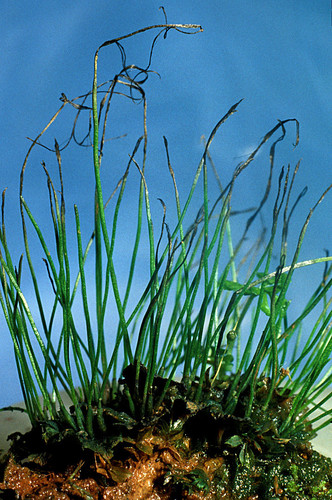
Big Rough Fescue
festuca campestris
Big Rough Fescue is a tough grass that grows tall and provides shelter for many small animals. It loves to dance in the wind on sunny days, making the fields look beautiful!
Lebensraum: It lives in grasslands and open areas across North America.
The Big Rough Fescue is a tall, clumping grass with narrow, bluish-green leaves that often feel rough to the touch. It forms dense tufts, standing out with its upright growth and slender seed stalks that can sometimes carry a purplish tint.
Kategorie
PflanzenSeltenheit
Common
Gefahr
0/5 · Keine bekannte Gefahr
Snaps
Mach den ersten Snap!
Even when dormant and brown, it can still bounce back green when conditions improve!
Its extra-tough leaves have a special waxy coating to stop them from drying out!
Some scientists study its tough nature to help create hardier crop plants for the future!
This grass has evolved to thrive in wildfire-prone areas, quickly regrowing after fires!
Big Rough Fescue has very deep roots that help it find water in dry soils and hold the ground firm, stopping erosion.
Big Rough Fescue can thrive in harsh conditions, tolerating both cold winters and hot, dry summers where other plants struggle.
Big Rough Fescue is a super tough grass that can be grazed by animals and still bounce back to grow again, providing continuous food.
Bison bison
A vital food source for these large grazers.
Odocoileus hemionus
Provides sustenance for deer in its native habitats.
Microtus pennsylvanicus
Small mammals use its dense clumps for cover and nests.
Soziale Tiere leben in organisierten Gruppen und kooperieren, um ihr Überleben zu sichern, beispielsweise bei der Nahrungssuche, Verteidigung und Aufzucht der Jungen.
Farbenfroh beschreibt Organismen oder Objekte, die eine große Vielfalt an leuchtenden und deutlich erkennbaren Farben aufweisen.
Grasland-Lebensräume sind terrestrische Biome, die von Gräsern und krautigen Pflanzen dominiert werden und einer Vielzahl von Weidetieren als Lebensraum dienen.
Dieses Merkmal kennzeichnet Lebewesen, deren Ernährung vollständig oder hauptsächlich aus pflanzlichem Material besteht.

Tagaktive Tiere sind hauptsächlich bei Tageslicht aktiv und ruhen oder schlafen in der Regel nachts.
Gefahr
0/5 · Keine bekannte Gefahr
Noch keine besonderen Sicherheitshinweise.
30-100 cm
20-50 cm
Summer (June-August)
Nein
Keine
Mehrjährig
Wind
It lives in grasslands and open areas across North America.
Zoome hinein, um Cluster aufzulösen und zu sehen, wo dieses Objekt fotografiert wurde.
Neueste Snaps erscheinen hier, wenn neue Beobachtungen hinzukommen.