






Black-headed Grosbeak
Pheucticus melanocephalus
The Black-headed Grosbeak is a colorful bird with a bright orange body and a black head. They love to sing beautiful songs and can be found in forests and gardens, especially during spring and summer.
Lebensraum: Forests
The Black-headed Grosbeak male has a striking black head, rusty-orange breast, and black wings with prominent white patches. Females are streaky brown with yellowish underparts and distinct facial markings, setting them apart from similar songbirds.
Kategorie
VögelSeltenheit
Common
Gefahr
1/5 · Sehr gering
Snaps
Mach den ersten Snap!
Baby grosbeaks are born blind and featherless, relying entirely on their parents for food!
Males often sing while sitting on the nest, a rare behavior among most bird dads!
Their powerful beaks can even crack open hard snail shells, a unique bird superpower!
These birds enjoy eating sweet fruit and are sometimes seen in backyard orchards!
Black-headed Grosbeak has a massive, conical bill that helps them crush even the toughest seeds with ease.
Black-headed Grosbeak can eat many types of garden insects, because they are opportunistic omnivores.
Black-headed Grosbeak has a rich, flowing, robin-like song that helps them defend territory.
These birds are omnivores, enjoying a mix of insects, seeds, and sweet fruits like berries.
Accipiter cooperii
as a common bird of prey.
Prunus serotina
consumes its abundant fruits.
.jpg&width=800)
Rubus idaeus
forages on its sweet berries.
Gefiedert beschreibt Tiere, hauptsächlich Vögel, die ein Federkleid besitzen.
Soziale Tiere leben in organisierten Gruppen und kooperieren, um ihr Überleben zu sichern, beispielsweise bei der Nahrungssuche, Verteidigung und Aufzucht der Jungen.
Dieses Merkmal kennzeichnet Organismen, deren Ernährung sowohl pflanzliche als auch tierische Bestandteile umfasst.
Singende Tiere erzeugen komplexe Lautäußerungen, oft um Partner anzulocken, ihr Revier zu verteidigen oder innerhalb ihrer Art zu kommunizieren.

Farbenfroh beschreibt Organismen oder Objekte, die eine große Vielfalt an leuchtenden und deutlich erkennbaren Farben aufweisen.

Waldlebensräume sind terrestrische Lebensräume, die von dichtem Baumbestand dominiert werden und eine große Vielfalt an Pflanzen- und Tierarten beherbergen.

Tagaktive Tiere sind hauptsächlich bei Tageslicht aktiv und ruhen oder schlafen in der Regel nachts.

Wandertiere unternehmen saisonale Wanderungen von einer Region in eine andere, meist als Reaktion auf Klimaänderungen oder Nahrungsverfügbarkeit.
Noch keine Alternativnamen vorhanden.
Gefahr
1/5 · Sehr gering
Enjoy watching birds from a distance and don't disturb their nests.
18-20 cm
31-33 cm
0.035-0.049 kg
5-10 Jahre
40 km/h
These birds are omnivores, enjoying a mix of insects, seeds, and sweet fruits like berries.
Forests
Foraging
Zoome hinein, um Cluster aufzulösen und zu sehen, wo dieses Objekt fotografiert wurde.
Neueste Snaps erscheinen hier, wenn neue Beobachtungen hinzukommen.
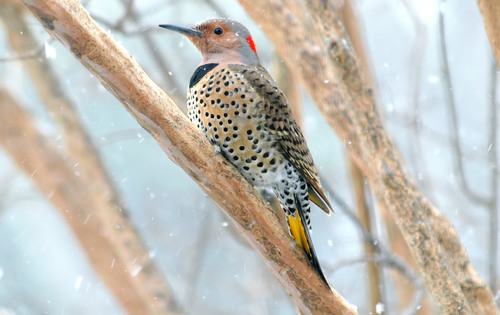
British Columbia, CA
Hier kann man sehen Goldspecht, Blauer Pfau und Red-Breasted Sapsucker.
Führer anzeigen →
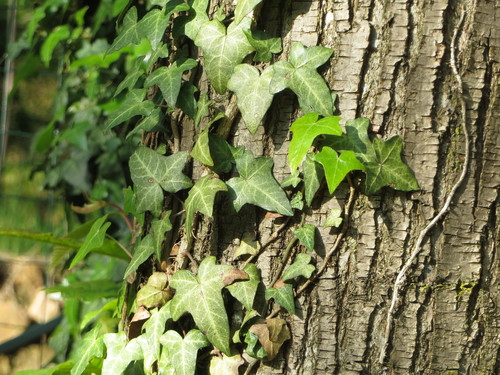
Oregon, US
Hier kann man sehen Ivy, Plums, Cherries, and Allies und Tree-Of-Heaven.
Führer anzeigen →






_(5005682834).jpg&width=800)





