






Black Slug
Arion ater
The Black Slug is a soft, slimy creature that loves to munch on leaves and plants. They are often found in gardens and damp places, helping to break down dead plants.
Lebensraum: Urban areas, Gardens
The Black Slug is a large, shiny gastropod mollusk, typically entirely jet-black, though sometimes dark brown or even reddish-orange. It has a wrinkled body, two pairs of retractable tentacles on its head, and a saddle-like mantle towards the front.
Kategorie
InvertebrateSeltenheit
Common
Gefahr
1/5 · Sehr gering
Snaps
Mach den ersten Snap!
Black slugs are hermaphrodites, meaning each slug has both male and female parts!
Did you know slugs have thousands of tiny teeth on a ribbon-like tongue called a radula?
Their slime changes thickness, becoming extra sticky to warn predators or signal danger!
When threatened, they can roll into a ball like a tiny armadillo to protect themselves!
Black Slugs produce thick, sticky mucus that helps them glide across surfaces and deters predators by being unpleasant to eat.
Black Slugs breathe through a special hole called a pneumostome, located on their right side, that helps them take in air.
Black Slugs have shorter front tentacles that can taste and smell their surroundings, helping them find food and navigate.
Black Slugs can flatten their bodies and fit through tiny gaps, allowing them to hide from danger or find new food sources.
Black slugs are nature's recyclers, munching on decaying plants and fungi to keep ecosystems clean!
Erinaceus europaeus
Hedgehogs are common predators of slugs in gardens.
Turdus merula
Blackbirds often feed on slugs, especially smaller ones.

Carabus violaceus
Some ground beetles hunt and eat slugs and their eggs.
Quercus robur
Black slugs decompose fallen leaves from trees like oaks.
Einzelgänger leben den größten Teil ihres Lebens allein und interagieren mit Artgenossen nur zur Paarung oder zur Aufzucht der Jungen.
Dieses Merkmal kennzeichnet Lebewesen, deren Ernährung vollständig oder hauptsächlich aus pflanzlichem Material besteht.
Beschreibt Organismen, die totes organisches Material abbauen und Nährstoffe in das Ökosystem zurückführen.
Dieses Lebensraummerkmal weist auf Arten hin, die in städtischen und vorstädtischen Umgebungen mit Menschen zusammenleben können und von Menschen geschaffene Strukturen sowie Grünflächen nutzen.

Nachtaktive Tiere sind hauptsächlich in den Nachtstunden aktiv und ruhen oder schlafen normalerweise tagsüber.
Noch keine Alternativnamen vorhanden.
Gefahr
1/5 · Sehr gering
Don't touch slugs with bare hands, as their slime can be slippery.
100-150 mm
365-730 Tage
Black slugs are nature's recyclers, munching on decaying plants and fungi to keep ecosystems clean!
Urban areas, Gardens
Foraging
0
Zoome hinein, um Cluster aufzulösen und zu sehen, wo dieses Objekt fotografiert wurde.
Neueste Snaps erscheinen hier, wenn neue Beobachtungen hinzukommen.
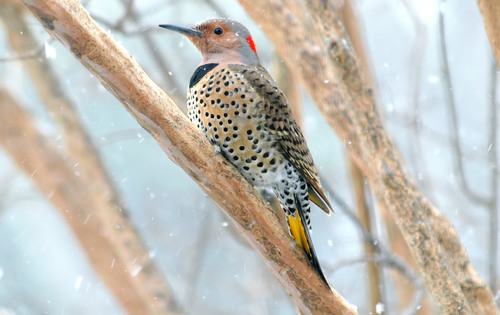
British Columbia, CA
Hier kann man sehen Goldspecht, Blauer Pfau und Red-Breasted Sapsucker.
Führer anzeigen →
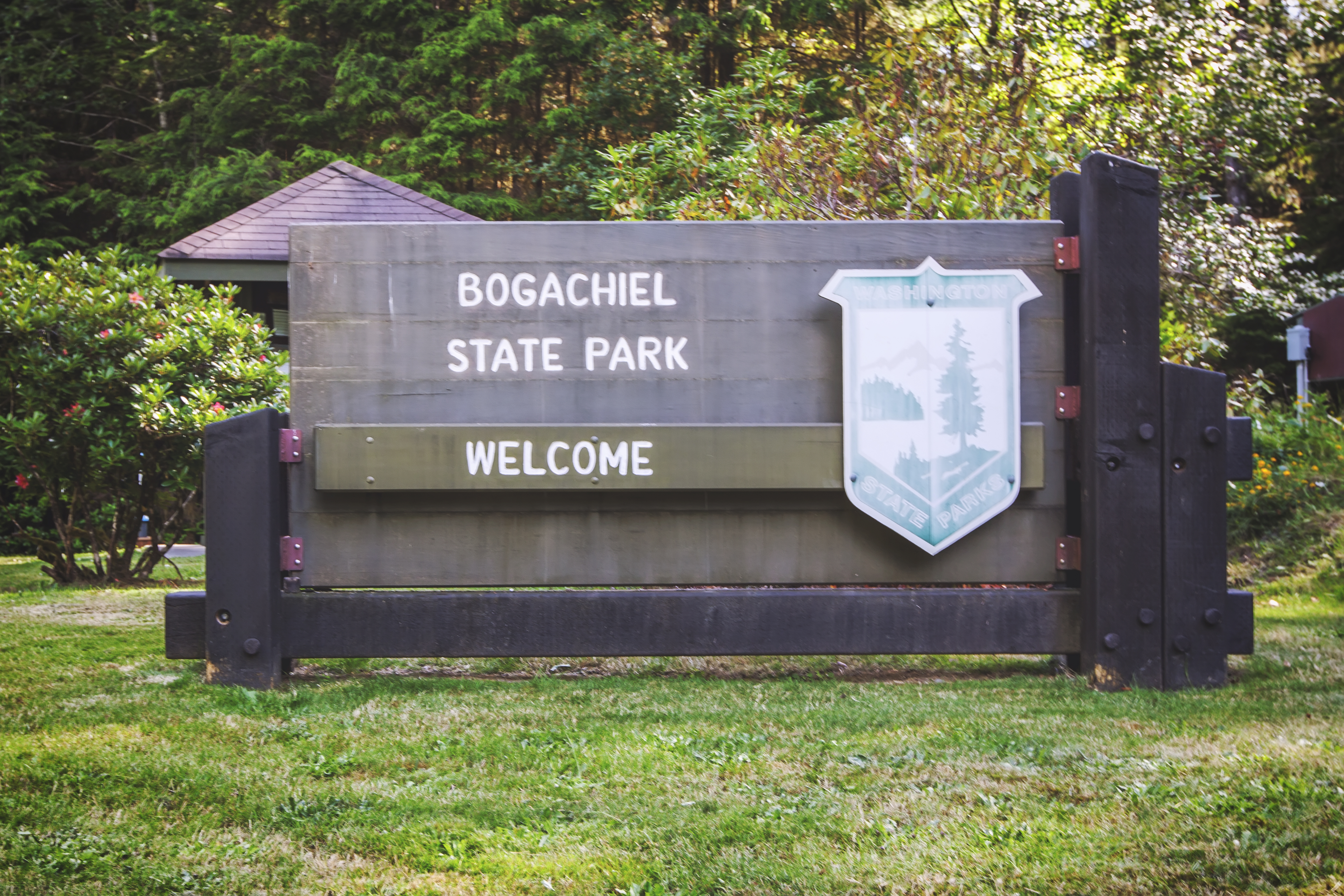
Washington, US
Hier kann man sehen Bananenschnecke, Black Slug und Salmonberry.
Führer anzeigen →

Washington, US
Hier kann man sehen Ghost Pipe, Red Huckleberry und Purple Foxglove.
Führer anzeigen →












_-_Unionidae_-_Mollusc_shell.jpeg&width=800)


