






Black Turnstone
Arenaria melanocephala
The Black Turnstone is a small bird with a black head and a beautiful patterned body. They love to search for food on rocky beaches and are great at flipping over stones to find tasty snacks!
Lebensraum: Coastal areas
The Black Turnstone has a chunky body with mostly sooty-black plumage on its back and breast, sharply contrasting with a bright white belly. Its sturdy, slightly upturned black bill and short, bright orange legs are distinctive, making it stand out on shorelines.
Kategorie
VögelSeltenheit
Common
Gefahr
1/5 · Sehr gering
Snaps
Mach den ersten Snap!
Black Turnstones can live up to 12 years in the wild!
Their scientific name, Arenaria, means 'sand-dweller' or 'arena dweller'!
They communicate using calls like a rapid 'kew-kew-kew'.
They sometimes follow larger birds like gulls to find food.
Black Turnstone can skillfully flip rocks and seaweed with its bill to uncover delicious hidden treats.
Has excellent vision and quick reflexes that help it snatch prey left exposed by receding waves.
Can use its sturdy legs to wade and run rapidly along the intertidal zone, always following the best feeding spots.
These birds are omnivores, mostly eating small marine invertebrates found along rocky and sandy shores.
Falco peregrinus
Falcons hunt shorebirds.
%2C_Point_Lobos%2C_CA%2C_US_-_May_2013.jpg&width=800)
Larus occidentalis
Gulls prey on eggs or chicks.
Vulpes lagopus
Foxes hunt them on breeding grounds.
Balanus glandula
Pries barnacles from rocks.
Mytilus californianus
Feeds on small mussels.
Gefiedert beschreibt Tiere, hauptsächlich Vögel, die ein Federkleid besitzen.
Getarnt beschreibt Organismen, die über eine Färbung oder Musterung verfügen, durch die sie mit ihrer Umgebung verschmelzen.
Dieses Merkmal kennzeichnet Organismen, deren Nahrung hauptsächlich aus Insekten und anderen kleinen Wirbellosen besteht.
Küstenlebensräume sind dynamische Umgebungen an der Schnittstelle zwischen Land und Meer, die von Gezeiten, Wellen und Salzwasser geprägt sind.

Dieses Merkmal kennzeichnet Lebewesen, die bei der Jagd, Flucht oder Fortbewegung eine außergewöhnliche Schnelligkeit aufweisen.

Tagaktive Tiere sind hauptsächlich bei Tageslicht aktiv und ruhen oder schlafen in der Regel nachts.

Wandertiere unternehmen saisonale Wanderungen von einer Region in eine andere, meist als Reaktion auf Klimaänderungen oder Nahrungsverfügbarkeit.
Noch keine Alternativnamen vorhanden.
Gefahr
1/5 · Sehr gering
Enjoy watching birds from a distance and don't try to catch them.
22-25 cm
43-47 cm
0.1-0.17 kg
5-12 Jahre
60 km/h
These birds are omnivores, mostly eating small marine invertebrates found along rocky and sandy shores.
Coastal areas
Foraging
Zoome hinein, um Cluster aufzulösen und zu sehen, wo dieses Objekt fotografiert wurde.
Neueste Snaps erscheinen hier, wenn neue Beobachtungen hinzukommen.

Washington, US
Hier kann man sehen Aggregating Anemone, Red Rock Crab und Olympic Gull.
Führer anzeigen →
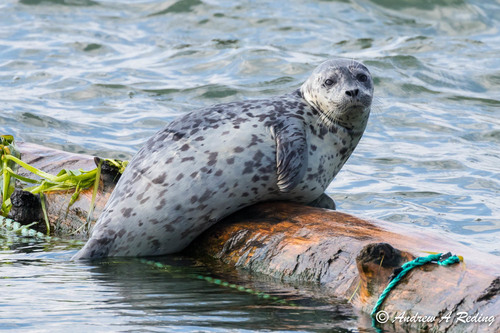
British Columbia, CA
Hier kann man sehen Seehund, Evergreen Huckleberry und Alumroots.
Führer anzeigen →







_Sabine_Woods_TX_2018-04-28_07-15-04_(41479720584).jpg&width=800)



_(cropped).jpg&width=800)
