






Black Vine Weevil
Otiorhynchus sulcatus
The Black Vine Weevil is a small, black bug that loves to munch on plants. It has a long snout and can be found in gardens and fields, where it hides during the day and comes out at night.
Lebensraum: Gardens and fields
The Black Vine Weevil is a dull, dark brown to black insect with a hard, lumpy exoskeleton. It features a distinctive short, broad snout, also known as a rostrum, and often has small yellowish or orange specks on its back. Unlike many insects, it lacks functional wings and cannot fly.
Kategorie
InsektenSeltenheit
Common
Gefahr
2/5 · Gering
Snaps
Mach den ersten Snap!
Wow, female Black Vine Weevils don't need a male to have babies!
Wow, their babies live hidden underground for many months!
Wow, their special snouts are perfect for chewing notches in leaves!
Wow, their strong legs help them climb up smooth walls and pots!
Black Vine Weevil can reproduce without a mate because females lay eggs alone, creating an army of clones!
Black Vine Weevil has a very hard outer shell that helps them stay safe from hungry birds and other predators.
Black Vine Weevil larvae can eat plant roots underground, which helps them hide from danger and find food.
Black Vine Weevil is active at night, helping them avoid predators that hunt during the day.
These plant-eating insects munch on a wide variety of leaves, stems, and roots!
Altersunterschiede: Larvae eat roots underground, while adults feed on leaves above ground.
Pardosa amentata
Adult weevils are a food source for spiders.
Steinernema kraussei
Nematodes infect and kill weevil larvae in the soil.

Fragaria ananassa
Weevils chew notches in leaves and larvae eat roots.
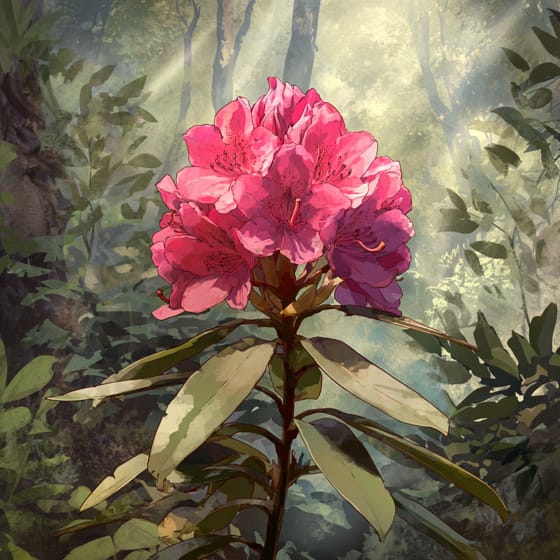
Rhododendron ponticum
Adult weevils cause characteristic leaf notching.
Einzelgänger leben den größten Teil ihres Lebens allein und interagieren mit Artgenossen nur zur Paarung oder zur Aufzucht der Jungen.
Grabende Tiere heben Tunnel und Kammern im Erdboden aus und nutzen diese unterirdischen Strukturen als Unterschlupf, zur Jagd oder zur Fortpflanzung.
Dieses Merkmal kennzeichnet Lebewesen, deren Ernährung vollständig oder hauptsächlich aus pflanzlichem Material besteht.
Dieses Merkmal kennzeichnet Organismen mit einer außergewöhnlich langen Lebensspanne im Vergleich zu anderen ihrer Art.

Bezieht sich auf Arten, die deutlich kleiner sind als der Durchschnitt oder das Typische ihrer Art.

Dieses Lebensraummerkmal weist auf Arten hin, die in städtischen und vorstädtischen Umgebungen mit Menschen zusammenleben können und von Menschen geschaffene Strukturen sowie Grünflächen nutzen.

Nachtaktive Tiere sind hauptsächlich in den Nachtstunden aktiv und ruhen oder schlafen normalerweise tagsüber.
Noch keine Alternativnamen vorhanden.
Gefahr
2/5 · Gering
Don't touch bugs without asking an adult first, as some can be harmful.
7-12 mm
730-1095 Tage
These plant-eating insects munch on a wide variety of leaves, stems, and roots!
Gardens and fields
Foraging
6
Zoome hinein, um Cluster aufzulösen und zu sehen, wo dieses Objekt fotografiert wurde.
Neueste Snaps erscheinen hier, wenn neue Beobachtungen hinzukommen.















