

blackfoot daisy
Melampodium leucanthum
The blackfoot daisy is a cheerful flower with bright yellow petals and a dark center. It loves to grow in sunny places and can make any garden look happy and bright!
Lebensraum: Grasslands
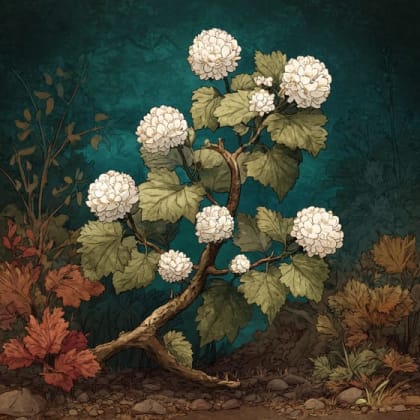
The blackfoot daisy has numerous small, pure white daisy-like flowers with bright yellow centers, atop a mound of narrow, silvery-green leaves. Its dense, low-growing form creates a cheerful white carpet.
Kategorie
PflanzenSeltenheit
Common
Gefahr
1/5 · Sehr gering
Snaps
Mach den ersten Snap!
Blackfoot daisies are so tough, they can grow right out of cracks in sidewalks or driveways!
Even after its flowers fade, the plant’s tiny seeds are a tasty snack for small birds and insects.
Its scientific name, Melampodium, comes from Greek, meaning 'black foot'—likely for its dark seed bases!
Rubbing the leaves releases a distinct, slightly camphor-like aroma, helping it deter unwanted nibblers.
Blackfoot daisy can store water efficiently and reduce leaf moisture loss, helping it survive long dry periods.
Blackfoot daisy produces new flowers almost non-stop from spring through frost, attracting pollinators for months.
Blackfoot daisy has roots that can anchor and thrive in rocky, poor soils where other plants struggle.
Apis mellifera
Gathers nectar and pollen from its flowers.
Danaus plexippus
Feeds on nectar, aiding in pollen transfer.

Sylvilagus audubonii
Might occasionally browse leaves, though not preferred.
Blütenpflanzen sind alle Pflanzen, die als Teil ihres Fortpflanzungszyklus Blüten bilden.
Sommerblühende Pflanzen bringen ihre Blüten während der Sommersaison hervor und sorgen oft für leuchtende Farben, wenn viele andere Pflanzen bereits verblüht sind.
Dauerblühende Pflanzen bringen kontinuierlich oder in wiederholten Schüben über einen langen Zeitraum Blüten hervor.
Trockenheitstolerante Pflanzen können unter Bedingungen mit begrenzter Wasserverfügbarkeit überleben und gedeihen.

Beschreibt Pflanzen, die für eine Vielzahl von bestäubenden Organismen besonders attraktiv und nützlich sind.

Farbenfroh beschreibt Organismen oder Objekte, die eine große Vielfalt an leuchtenden und deutlich erkennbaren Farben aufweisen.

Grasland-Lebensräume sind terrestrische Biome, die von Gräsern und krautigen Pflanzen dominiert werden und einer Vielzahl von Weidetieren als Lebensraum dienen.
Noch keine Alternativnamen vorhanden.
Gefahr
1/5 · Sehr gering
Always enjoy flowers from a distance and don't pick them without permission.
15-30 cm
30-45 cm
2-3 cm
Spring through fall, sometimes year-round in warm climates
Nein
Keine
Mehrjährig
Insekten
Zoome hinein, um Cluster aufzulösen und zu sehen, wo dieses Objekt fotografiert wurde.
Neueste Snaps erscheinen hier, wenn neue Beobachtungen hinzukommen.