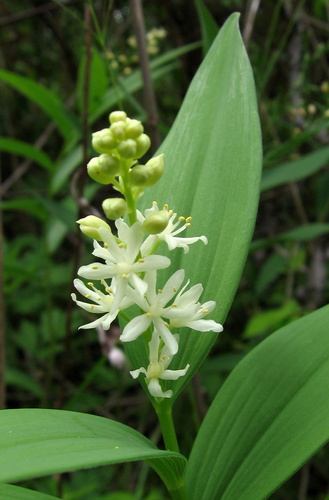
bladder campion
Silene vulgaris
Bladder campion is a pretty flower that grows in fields and meadows. It has unique balloon-like seed pods that look like tiny balloons, making it fun to spot!
Lebensraum: Grasslands
The bladder campion has delicate white flowers with petals deeply notched, giving them a frilly look. Its most distinctive feature is the inflated, balloon-like calyx (the papery structure behind the petals) which is pale green or purplish, making it visually distinct from other wildflowers.
Kategorie
PflanzenSeltenheit
Common
Gefahr
1/5 · Sehr gering
Snaps
Mach den ersten Snap!
In some parts of Italy, people gather the young leaves and shoots to cook and eat them like spinach or asparagus!
Its scientific name, *Silene*, might come from Silenus, a portly figure in Greek mythology, just like the flower's puffy shape!
The pretty white petals of this flower are deeply split, making them look like ten separate petals, but there are actually only five!
You might hear its dried seeds rattle inside the papery 'bladder' if you shake it, making a tiny natural maraca!
Bladder campion has an inflated, papery calyx that helps protect its developing seeds from some insects and adverse weather conditions.
This plant's flowers release a stronger, sweet fragrance at night to attract nocturnal pollinators like moths, ensuring successful reproduction.
Bladder campion seeds can remain viable in the soil for many years, allowing the plant to regrow after disturbances and colonize new areas.
Bombus terrestris
Visits flowers for nectar and pollen
Deilephila elpenor
Feeds on nectar, especially at night
Oryctolagus cuniculus
Browses on young leaves and shoots
Capreolus capreolus
Graze on the foliage
Blütenpflanzen sind alle Pflanzen, die als Teil ihres Fortpflanzungszyklus Blüten bilden.
Frühlingsblüher bilden ihre Blüten im Frühjahr und kündigen oft das Ende des Winters und den Beginn neuen Wachstums an.
Sommerblühende Pflanzen bringen ihre Blüten während der Sommersaison hervor und sorgen oft für leuchtende Farben, wenn viele andere Pflanzen bereits verblüht sind.
Duftende Blüten verströmen ein angenehmes Aroma, oft um Bestäuber anzulocken oder zur Abwehr.

Beschreibt Pflanzen, die für eine Vielzahl von bestäubenden Organismen besonders attraktiv und nützlich sind.

Essbare Pflanzen sind diejenigen Pflanzenteile, die für den menschlichen Verzehr als unbedenklich gelten.

Grasland-Lebensräume sind terrestrische Biome, die von Gräsern und krautigen Pflanzen dominiert werden und einer Vielzahl von Weidetieren als Lebensraum dienen.
Noch keine Alternativnamen vorhanden.
Gefahr
1/5 · Sehr gering
Always look but don't touch wild flowers, as some can be harmful.
30-90 cm
20-45 cm
1.5-2.5 cm
Late spring to late summer
Ja
Keine
Mehrjährig
Insekten
Zoome hinein, um Cluster aufzulösen und zu sehen, wo dieses Objekt fotografiert wurde.
Neueste Snaps erscheinen hier, wenn neue Beobachtungen hinzukommen.