






Blue-billed Curassow
Crax alberti
The Blue-billed Curassow is a beautiful bird with a striking blue bill and black feathers. It lives in the forests of Colombia and is known for its unique calls and colorful appearance.
Lebensraum: Forests
The Blue-billed Curassow is a large, dark game bird known for its striking blue, waxy bill and cere. Males are mostly glossy black with a contrasting white belly, while females have a more intricate barred pattern. Both sexes feature a prominent, curly black crest atop their head.
Kategorie
VögelSeltenheit
Rare
Gefahr
1/5 · Sehr gering
Snaps
Mach den ersten Snap!
Despite their size, they can fly short distances right through dense forest!
The male's amazing blue bill is actually a waxy, fleshy growth!
Their calls are so deep, they sound like a faraway foghorn in the jungle!
They are one of the heaviest tree-dwelling birds in their rainforest home!
Blue-billed Curassows have a distinctive curly crest that helps them communicate visually with other curassows in dense forest habitats.
This curassow can produce loud, booming calls that help them establish territories and attract mates across long distances.
Blue-billed Curassows consume many fruits, which helps them disperse seeds, planting new trees and helping the forest grow.
This curassow enjoys a mix of fruits, seeds, insects, and small vertebrates found on the forest floor.
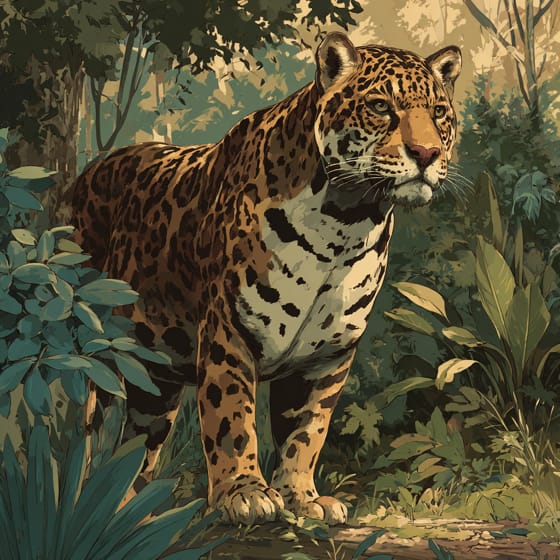
Panthera onca
Large jungle cat that preys on adult curassows.
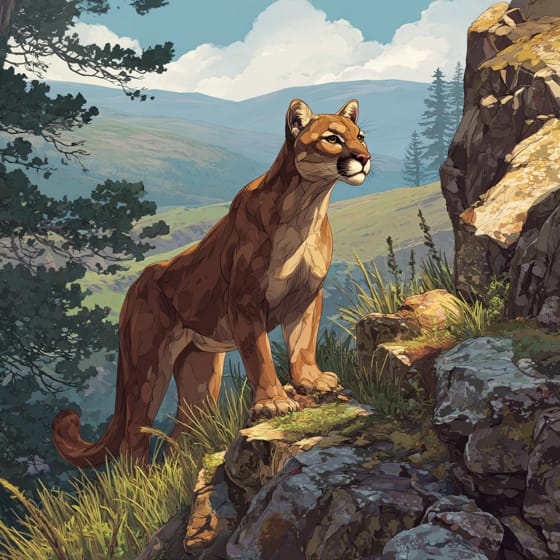
Puma concolor
Another powerful big cat that hunts curassows.
Ficus insipida
Consumes fruits, helping to disperse its seeds throughout the forest.
Gefiedert beschreibt Tiere, hauptsächlich Vögel, die ein Federkleid besitzen.
Soziale Tiere leben in organisierten Gruppen und kooperieren, um ihr Überleben zu sichern, beispielsweise bei der Nahrungssuche, Verteidigung und Aufzucht der Jungen.
Dieses Merkmal kennzeichnet Organismen, deren Ernährung sowohl pflanzliche als auch tierische Bestandteile umfasst.
Farbenfroh beschreibt Organismen oder Objekte, die eine große Vielfalt an leuchtenden und deutlich erkennbaren Farben aufweisen.

Waldlebensräume sind terrestrische Lebensräume, die von dichtem Baumbestand dominiert werden und eine große Vielfalt an Pflanzen- und Tierarten beherbergen.

Tagaktive Tiere sind hauptsächlich bei Tageslicht aktiv und ruhen oder schlafen in der Regel nachts.

Der Status 'Stark gefährdet' bedeutet, dass eine Art in naher Zukunft einem sehr hohen Risiko ausgesetzt ist, in freier Wildbahn auszusterben.
Noch keine Alternativnamen vorhanden.
Gefahr
1/5 · Sehr gering
Always watch birds from a distance and don’t try to touch them.
82-93 cm
110-120 cm
2.3-3 kg
15-25 Jahre
40 km/h
This curassow enjoys a mix of fruits, seeds, insects, and small vertebrates found on the forest floor.
Forests
Foraging
Zoome hinein, um Cluster aufzulösen und zu sehen, wo dieses Objekt fotografiert wurde.
Neueste Snaps erscheinen hier, wenn neue Beobachtungen hinzukommen.















