Bristlenose Catfishes
ancistrus
Bristlenose Catfishes are small, friendly fish that love to munch on algae in their tanks. They have unique bristle-like growths on their noses that make them look very special!
Lebensraum: Freshwater rivers and lakes
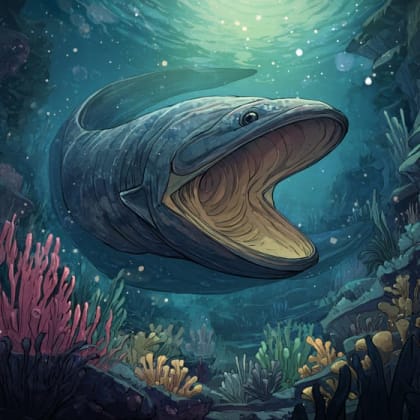
The Bristlenose Catfishes has a flattened body, often dark brown or grey, covered in bony plates. Its most distinctive feature is the prominent, branching 'bristles' on its snout, especially on males, which makes it look unique among catfish.
Kategorie
FischeSeltenheit
Common
Gefahr
0/5 · Keine bekannte Gefahr
Snaps
Mach den ersten Snap!
Baby bristlenoses are called 'fry' and are tiny!
Males guard their eggs fiercely until they hatch!
Some can live over 10 years in a well-kept aquarium!
They are masters of camouflage, blending perfectly with riverbeds!
Bristlenose Catfishes can cling to surfaces with their specialized suckermouth because of strong suction, that helps them stay put in fast currents.
Bristlenose Catfishes can scrape algae from rocks using specialized teeth, because of their unique mouth shape that helps them find food.
Bristlenose Catfishes has elaborate bristles on their snout that help them attract mates and defend territories.
These bottom-dwellers primarily graze on algae and plant matter found on submerged surfaces.
Serrasalmus rhombeus
Larger predatory fish that hunt small bottom-dwellers.
Pteronura brasiliensis
Apex predators of South American rivers that eat fish.

Osteoglossum bicirrhosum
Predatory fish that can consume smaller bottom-dwelling fish.
Soziale Tiere leben in organisierten Gruppen und kooperieren, um ihr Überleben zu sichern, beispielsweise bei der Nahrungssuche, Verteidigung und Aufzucht der Jungen.
Farbenfroh beschreibt Organismen oder Objekte, die eine große Vielfalt an leuchtenden und deutlich erkennbaren Farben aufweisen.
Dieses Merkmal kennzeichnet Lebewesen, deren Ernährung vollständig oder hauptsächlich aus pflanzlichem Material besteht.
Aquatische Lebensräume umfassen Umgebungen, in denen Organismen überwiegend im Wasser leben, darunter Ozeane, Flüsse, Seen und Feuchtgebiete.

Nachtaktive Tiere sind hauptsächlich in den Nachtstunden aktiv und ruhen oder schlafen normalerweise tagsüber.
Gefahr
0/5 · Keine bekannte Gefahr
Noch keine besonderen Sicherheitshinweise.
8-15 cm
0.05-0.15 kg
5-10 Jahre
These bottom-dwellers primarily graze on algae and plant matter found on submerged surfaces.
0.7 km/h
Freshwater rivers and lakes
Grazing
5 m
Zoome hinein, um Cluster aufzulösen und zu sehen, wo dieses Objekt fotografiert wurde.
Neueste Snaps erscheinen hier, wenn neue Beobachtungen hinzukommen.