






Brittle Pricklypear
Opuntia fragilis
The Brittle Pricklypear is a small cactus that loves sunny places! It has flat pads and pretty yellow flowers that bloom in the spring. This cactus can grow in rocky areas and is very special because it can survive in tough conditions.
Lebensraum: Desert
The Brittle Pricklypear has small, flattened, oval-shaped pads that form low, sprawling clumps, often tinged with purple in cool weather. It displays vibrant yellow, sometimes orange, cup-shaped flowers. Its pads are noticeably smaller and more fragile than other pricklypear cacti.
Kategorie
PflanzenSeltenheit
Common
Gefahr
2/5 · Gering
Snaps
Mach den ersten Snap!
Despite its name, its fruit (a 'tuna') is sweet and juicy when ripe!
If a pad breaks off, it can roll in the wind to a new spot and grow roots!
It holds the record as the cactus found farthest north in Canada!
Its name 'brittle' comes from how easily its pads break off with just a touch!
Brittle Pricklypear has pads that easily detach, allowing them to root and grow new plants quickly, spreading its territory.
This cactus can store lots of water in its thick, succulent pads, helping it survive long periods without rain.
It has tiny, hair-like spines called glochids that easily embed in skin, making it unpleasant for predators to eat.
Brittle Pricklypear is one of the most cold-hardy cacti, able to survive freezing temperatures in northern climates.
Apis mellifera
Visits bright yellow flowers for nectar.
Bombus impatiens
Busy collecting pollen from its blooms.
Odocoileus virginianus
Deer browse its pads, despite the spines.
Peromyscus maniculatus
Eats its small, sweet fruits and sometimes pads.
Blütenpflanzen sind alle Pflanzen, die als Teil ihres Fortpflanzungszyklus Blüten bilden.
Frühlingsblüher bilden ihre Blüten im Frühjahr und kündigen oft das Ende des Winters und den Beginn neuen Wachstums an.
Sukkulente Pflanzen haben verdickte, fleischige Teile, meist Blätter oder Stängel, die an die Speicherung von Wasser in trockenen Klimazonen angepasst sind.
Trockenheitstolerante Pflanzen können unter Bedingungen mit begrenzter Wasserverfügbarkeit überleben und gedeihen.

Beschreibt Pflanzen, die für eine Vielzahl von bestäubenden Organismen besonders attraktiv und nützlich sind.

Essbare Pflanzen sind diejenigen Pflanzenteile, die für den menschlichen Verzehr als unbedenklich gelten.

Wüstenlebensräume sind trockene Regionen, die durch extrem geringen Niederschlag und oft extreme Temperaturen gekennzeichnet sind und eine spezialisierte Flora und Fauna beherbergen.

Besitzt scharfe, spitze Vorsprünge oder Stacheln auf dem Körper oder der Oberfläche.
Noch keine Alternativnamen vorhanden.
Gefahr
2/5 · Gering
Be careful around cacti! Their spines can poke you.
5-30 cm
30-150 cm
2-3 cm
Spring-summer
Ja
Leicht
Mehrjährig
Insekten
Zoome hinein, um Cluster aufzulösen und zu sehen, wo dieses Objekt fotografiert wurde.
Neueste Snaps erscheinen hier, wenn neue Beobachtungen hinzukommen.
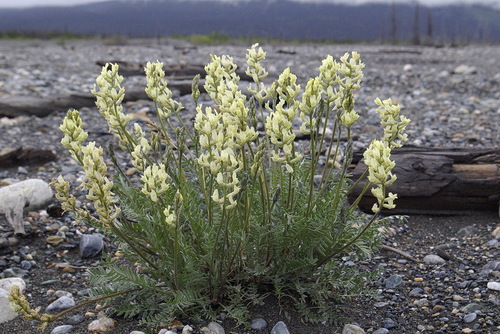
British Columbia, CA
Hier kann man sehen Field Locoweed, Silky Lupine und Wax Currant.
Führer anzeigen →
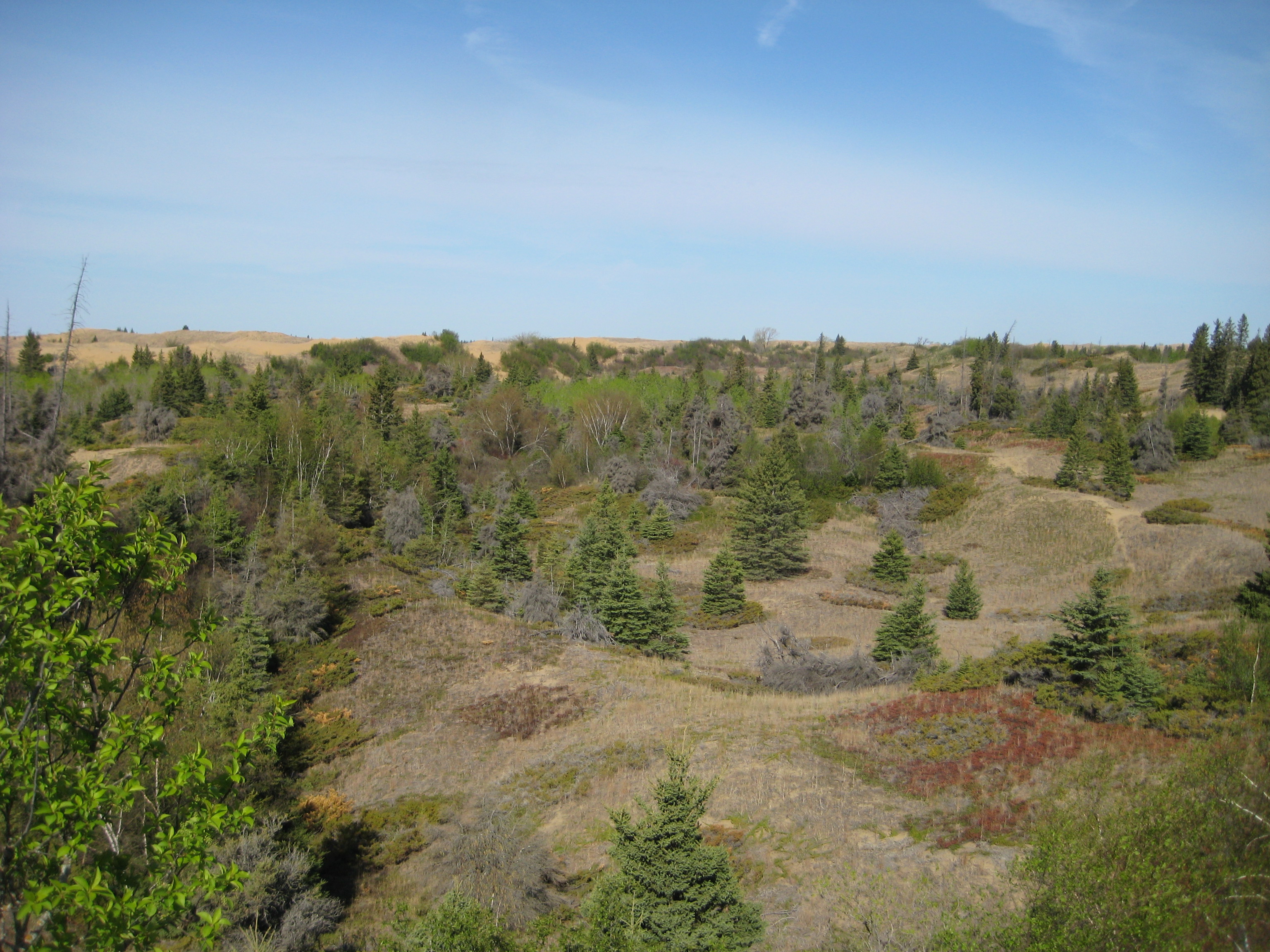
Manitoba, CA
Hier kann man sehen Prairie Skink, Smooth Greensnake und Admiral-Schmetterling.
Führer anzeigen →

South Dakota, US
Hier kann man sehen Brittle Pricklypear, Eastern Redcedar und Common Cowparsnip.
Führer anzeigen →
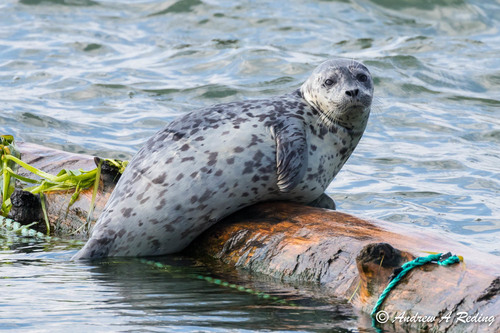
British Columbia, CA
Hier kann man sehen Seehund, Evergreen Huckleberry und Alumroots.
Führer anzeigen →














