Brown-throated Three-toed Sloth
Bradypus variegatus
The Brown-throated Three-toed Sloth is a slow-moving animal that loves to hang out in trees. They have long arms and can sleep for up to 20 hours a day, making them one of the sleepiest animals in the world!
Lebensraum: Forests
The Brown-throated Three-toed Sloth has shaggy, grey-brown fur with a distinctive dark mask around its eyes and a pale brown throat. Its small, flat face and three long, curved claws on each limb make it visually unique among arboreal mammals.
Kategorie
SäugetiereSeltenheit
Common
Gefahr
1/5 · Sehr gering
Snaps
Mach den ersten Snap!
A sloth's super strong grip lets them stay attached to branches even during powerful storms!
Sloths can survive bites from venomous snakes that would kill most other mammals!
Sloths have more neck bones than a giraffe, allowing them to turn their heads nearly 270 degrees!
Their fur parts along their belly, so rainwater flows off easily when they're hanging upside down!
Brown-throated Three-toed Sloth can hang upside down for hours because of special tendons that lock their claws, saving energy.
Brown-throated Three-toed Sloth has a huge four-chambered stomach that helps them digest tough, low-nutrient leaves slowly.
Brown-throated Three-toed Sloth has grooved fur that grows algae, giving them a green tint that helps them hide in trees.
These slow-moving mammals munch on leaves, buds, and twigs high in the trees.
Harpia harpyja
A main predator in its rainforest home.
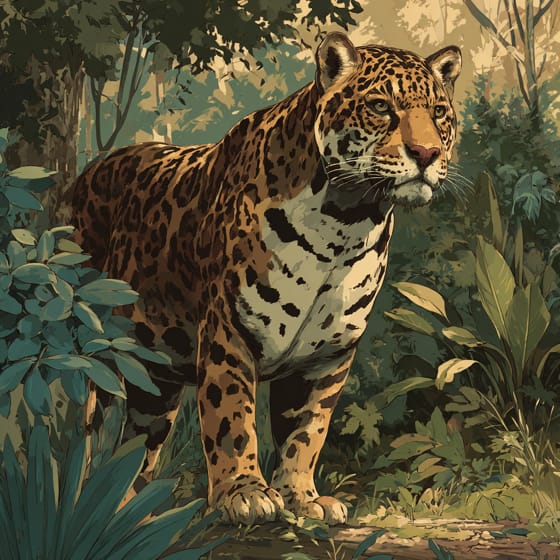
Panthera onca
These big cats will hunt sloths if they can catch them.
Trichophilus welckeri
Algae grows on fur, providing camouflage and possibly nutrients.
Cryptoses choloepi
Moths live in fur and lay eggs in sloth droppings.
Cecropia obtusifolia
A favored tree species for food and shelter.
Pelzig beschreibt Tiere, die eine dichte Schicht aus weichen Haaren oder Fell besitzen.
Einzelgänger leben den größten Teil ihres Lebens allein und interagieren mit Artgenossen nur zur Paarung oder zur Aufzucht der Jungen.
Baumbewohnende Tiere leben hauptsächlich in Bäumen und nutzen diese als Unterschlupf, Nahrungsquelle und zum Schutz vor Raubtieren.
Getarnt beschreibt Organismen, die über eine Färbung oder Musterung verfügen, durch die sie mit ihrer Umgebung verschmelzen.

Dieses Merkmal kennzeichnet Lebewesen, deren Ernährung vollständig oder hauptsächlich aus pflanzlichem Material besteht.

Dieses Merkmal kennzeichnet Organismen mit einer außergewöhnlich langen Lebensspanne im Vergleich zu anderen ihrer Art.

Waldlebensräume sind terrestrische Lebensräume, die von dichtem Baumbestand dominiert werden und eine große Vielfalt an Pflanzen- und Tierarten beherbergen.

Der Status 'Stark gefährdet' bedeutet, dass eine Art in naher Zukunft einem sehr hohen Risiko ausgesetzt ist, in freier Wildbahn auszusterben.
Noch keine Alternativnamen vorhanden.
Gefahr
1/5 · Sehr gering
Sloths are gentle and slow, but it's best to watch them from a distance and not touch them.
50-70 cm
2.5-6 kg
20-30 Jahre
0.5 km/h
These slow-moving mammals munch on leaves, buds, and twigs high in the trees.
Forests
Foraging
1
Zoome hinein, um Cluster aufzulösen und zu sehen, wo dieses Objekt fotografiert wurde.
Neueste Snaps erscheinen hier, wenn neue Beobachtungen hinzukommen.