

Brush-Footed Butterflies
nymphalidae
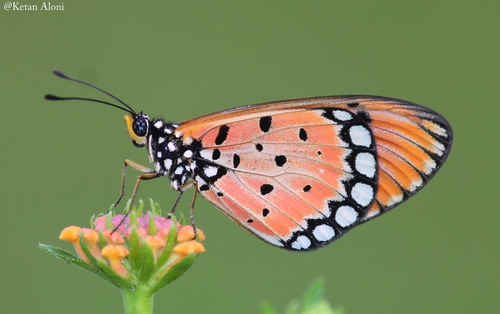
The Brush-Footed Butterflies, belonging to the highly diverse family Nymphalidae, represent one of the largest and most colorful groups of butterflies in the world. They are famous for their unique, reduced front legs that are covered in brush-like hairs, making them look as if they only have four legs instead of six. This family contains some of the most recognizable and beloved species globally, including monarchs, painted ladies, and morphos. Their active flight patterns and prominent roles in terrestrial ecosystems make them incredibly captivating subjects for nature enthusiasts.
Lebensraum: Found in a vast array of terrestrial environments including sunny meadows, deciduous forests, tropical rainforests, alpine fields, and suburban gardens.
These butterflies vary widely in size and coloration, from brilliant oranges and deep blues to cryptic browns. Their most diagnostic feature is the pair of extremely short, brush-like front legs held close to the thorax, leaving only four functional walking legs. Many species feature eyespots on the undersides of their wings to deter predators, while others possess highly realistic leaf-like mimicry. Their wingspans can range from a modest 3 centimeters in smaller checkerspots to over 15 centimeters in the giant owl butterflies.
Kategorie
InsektenSeltenheit
Common
Gefahr
1/5 · Sehr gering
Snaps
Mach den ersten Snap!
Brush-footed butterflies appear to have only four legs because their front two legs are tiny and held tucked up against their bodies.
Many species, such as the Painted Lady, perform multi-generational migrations that span thousands of miles across continents.
Some members of this family, like the Blue Morpho, do not have blue pigment; their brilliant blue is created by the microscopic structure of their wing scales reflecting light.
They use taste receptors located on their reduced brush-like front legs to identify host plants simply by stepping on them.
Many species can fold their wings to perfectly resemble dry, decaying leaves, rendering them virtually invisible to predators.
Certain larvae consume toxic host plants, sequestering chemicals that make both the caterpillars and adult butterflies unpalatable to birds.
Adults feed primarily on flower nectar, rotting fruit juices, mud minerals, and tree sap, while caterpillars consume foliage from host plants.
Altersunterschiede: Caterpillars are chewing herbivores that eat host leaves, whereas adults have a straw-like proboscis for drinking liquids.
Asclepias syriaca
Monarch larvae in this family rely solely on milkweed leaves for food and chemical protection.
Misumena vatia
Crab spiders hide inside flowers to ambush visiting brush-footed butterflies.
Lespesia archippivora
These parasitic flies lay eggs on nymphalid caterpillars, which then consume the host from the inside out.
Für dieses Objekt sind noch keine Merkmal-Badges vergeben.
Noch keine Alternativnamen vorhanden.
Sammlungen für dieses Objekt erscheinen hier, wenn weitere Themen hinzugefügt werden.
Gefahr
1/5 · Sehr gering
Noch keine besonderen Sicherheitshinweise.
Der einfachste Weg, Brush-Footed Butterflies zu bestimmen, ist die Verwendung der Naturführer-App Snappit.
2-10 cm
3-15 cm
0.0001-0.003 kg
0-1 Jahre
40 km/h
Adults feed primarily on flower nectar, rotting fruit juices, mud minerals, and tree sap, while caterpillars consume foliage from host plants.
Found in a vast array of terrestrial environments including sunny meadows, deciduous forests, tropical rainforests, alpine fields, and suburban gardens.
Zoome hinein, um Cluster aufzulösen und zu sehen, wo dieses Objekt fotografiert wurde.
Neueste Snaps erscheinen hier, wenn neue Beobachtungen hinzukommen.



.jpg&width=800)










