






Budorcas Taxicolor
budorcas taxicolor
The Budorcas Taxicolor, also known as the takin, is a big, furry animal that looks like a mix between a goat and a cow! They love to roam the steep mountains and eat lots of grass and leaves.
Lebensraum: They live in the mountainous regions of the Himalayas.
The Budorcas Taxicolor is a large, sturdy mammal with a shaggy, golden-yellow to reddish-brown coat. It has a distinctive 'Roman' nose and a hump on its shoulders. Both males and females possess short, robust, ringed horns that curve upwards.
Kategorie
SäugetiereSeltenheit
Common
Gefahr
1/5 · Sehr gering
Snaps
Mach den ersten Snap!
Takin calves are born with a distinct dark stripe running down their back.
Takins have unique facial fur that protects them from harsh mountain winds.
Their unique 'moo-like' call can sound surprisingly similar to a cow in the mountains!
They can climb incredibly high, up to 14,000 feet in the Himalayas!
Budorcas Taxicolor has specialized hooves with two toes and a dewclaw that help them grip steep, icy mountain slopes.
Budorcas Taxicolor has a thick, oily coat that repels water and keeps them warm in cold, snowy environments.
Budorcas Taxicolor can produce a strong, musky odor that helps them communicate and deter predators.
These mountain grazers munch on a variety of plants, leaves, and bamboo shoots found in their high-altitude homes.
Panthera uncia
Major predator, especially for young or weakened takins.
Ursus arctos
Occasionally preys on takins, especially during resource-scarce periods.
Fargesia spathacea
Commonly browses on this bamboo species in its habitat.
Betula utilis
Feeds on the leaves and bark of this common mountain tree.
Pelzig beschreibt Tiere, die eine dichte Schicht aus weichen Haaren oder Fell besitzen.
Soziale Tiere leben in organisierten Gruppen und kooperieren, um ihr Überleben zu sichern, beispielsweise bei der Nahrungssuche, Verteidigung und Aufzucht der Jungen.
Dieses Merkmal kennzeichnet Lebewesen, deren Ernährung vollständig oder hauptsächlich aus pflanzlichem Material besteht.
Waldlebensräume sind terrestrische Lebensräume, die von dichtem Baumbestand dominiert werden und eine große Vielfalt an Pflanzen- und Tierarten beherbergen.

Der Status 'Stark gefährdet' bedeutet, dass eine Art in naher Zukunft einem sehr hohen Risiko ausgesetzt ist, in freier Wildbahn auszusterben.
Gefahr
1/5 · Sehr gering
Stay at a safe distance and do not approach wild animals.
160-220 cm
250-400 kg
12-18 Jahre
40 km/h
These mountain grazers munch on a variety of plants, leaves, and bamboo shoots found in their high-altitude homes.
They live in the mountainous regions of the Himalayas.
Foraging
1
Zoome hinein, um Cluster aufzulösen und zu sehen, wo dieses Objekt fotografiert wurde.
Neueste Snaps erscheinen hier, wenn neue Beobachtungen hinzukommen.

Ohio, US
Hier kann man sehen Afrikanischer Löwe, Giraffen und Grauwolf.
Führer anzeigen →
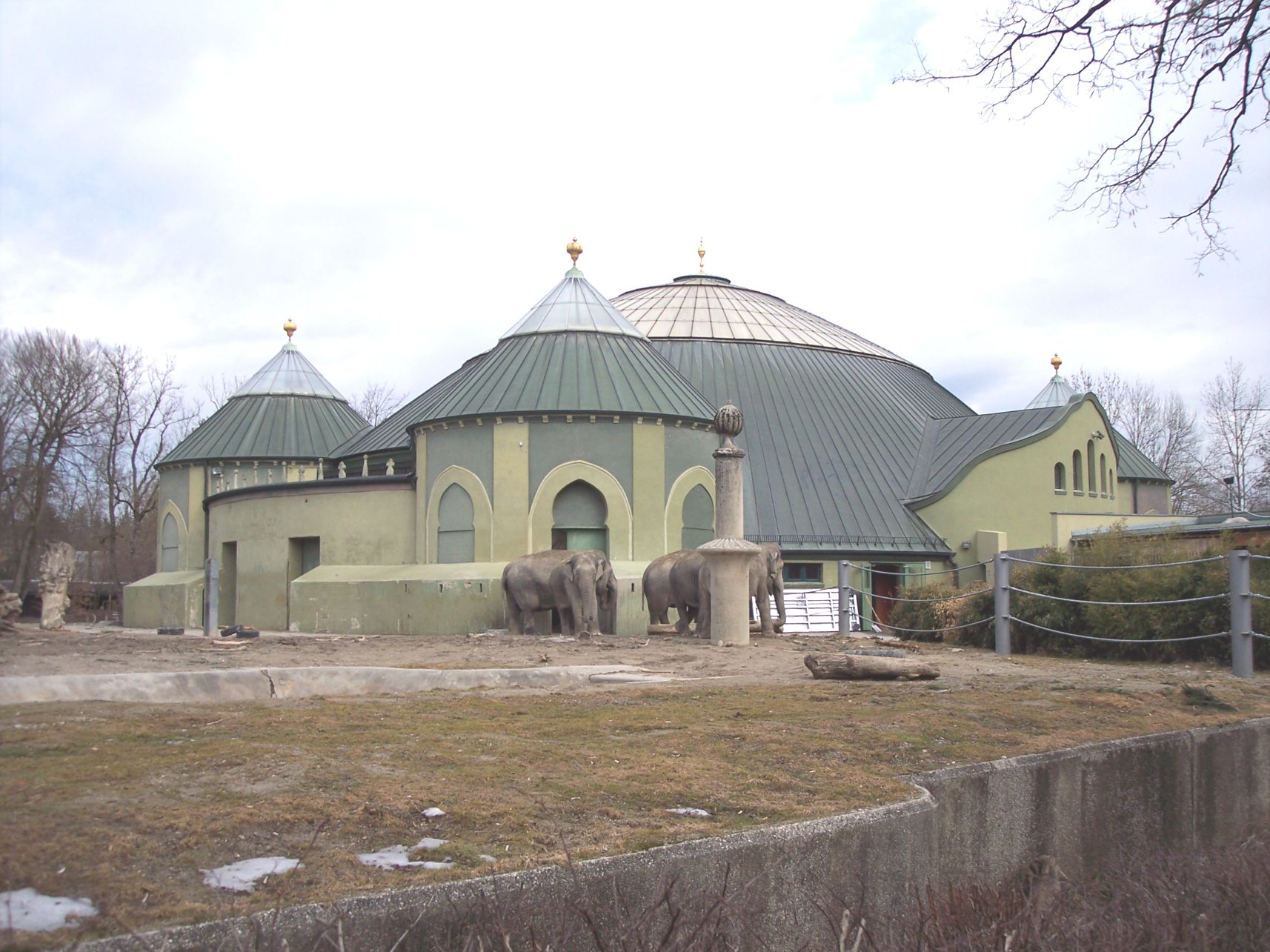
Bavaria, DE
Hier kann man sehen Afrikanischer Löwe, Arachnida und Insect.
Führer anzeigen →
Illinois, US
Hier kann man sehen Afrikanischer Löwe, Giraffen und Equus Africanus Asinus.
Führer anzeigen →













.jpg&width=800)
