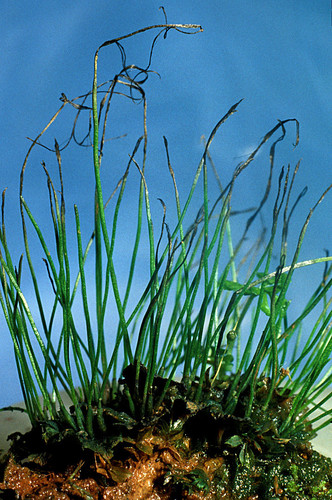
Buttercup-Leaf Suksdorfia
suksdorfia ranunculifolia
The Buttercup-Leaf Suksdorfia is a delightful little plant with bright green leaves that look like buttercup flowers! It adds a splash of color to its surroundings and is a favorite among butterflies.
Lebensraum: It commonly grows in meadows, grasslands, and along forest edges.
The Buttercup-Leaf Suksdorfia is a small plant with deeply lobed, dark green leaves that cluster at its base, resembling those of a buttercup. Slender stems emerge, topped with delicate clusters of small, five-petaled white or pale purplish flowers, often found peeking from rocky crevices.
Kategorie
PflanzenSeltenheit
Common
Gefahr
0/5 · Keine bekannte Gefahr
Snaps
Mach den ersten Snap!
It got its name from Wilhelm Suksdorf, a botanist who explored the Pacific Northwest!
Its tiny flowers are surprisingly hardy, often blooming high up on cold, rocky cliffs!
This plant is a master of disguise, its leaves look just like real buttercup leaves!
You can find this resilient little plant growing mostly in Washington and Oregon mountains!
Buttercup-Leaf Suksdorfia can grow roots into tiny rock crevices, helping it anchor firmly in challenging, exposed environments.
Buttercup-Leaf Suksdorfia has broad, basal leaves that help collect and funnel rainwater towards its roots, capturing precious moisture.
Buttercup-Leaf Suksdorfia has a low-growing form that protects its delicate flowers and leaves from strong winds and harsh weather.
Bombus occidentalis
Feeds on nectar and collects pollen from its flowers.
Andrena erythrogastra
Visits the small flowers for nectar and pollen.
Glomus mosseae
Exchanges nutrients and water with the plant's roots.
Farbenfroh beschreibt Organismen oder Objekte, die eine große Vielfalt an leuchtenden und deutlich erkennbaren Farben aufweisen.
Dieses Merkmal kennzeichnet Lebewesen, deren Ernährung vollständig oder hauptsächlich aus pflanzlichem Material besteht.
Waldlebensräume sind terrestrische Lebensräume, die von dichtem Baumbestand dominiert werden und eine große Vielfalt an Pflanzen- und Tierarten beherbergen.
Tagaktive Tiere sind hauptsächlich bei Tageslicht aktiv und ruhen oder schlafen in der Regel nachts.

Beschreibt Organismen, die Pollen übertragen und so die Befruchtung und Fortpflanzung von Pflanzen ermöglichen.
Gefahr
0/5 · Keine bekannte Gefahr
Noch keine besonderen Sicherheitshinweise.
5-20 cm
5-10 cm
0.2-0.4 cm
Late spring to mid-summer
Nein
Keine
Mehrjährig
Insekten
Zoome hinein, um Cluster aufzulösen und zu sehen, wo dieses Objekt fotografiert wurde.
Neueste Snaps erscheinen hier, wenn neue Beobachtungen hinzukommen.