_(14586807078).jpg&width=800)





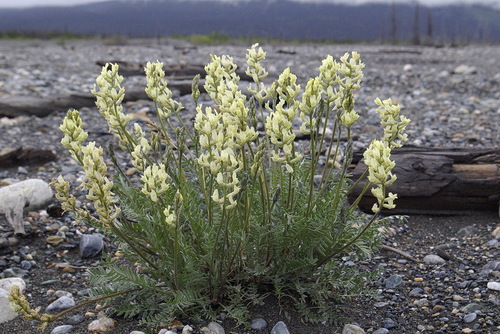
Carrotleaf Biscuitroot
Lomatium multifidum
Carrotleaf Biscuitroot is a special plant with pretty yellow flowers and unique, carrot-like leaves. It grows in the wild and is a favorite among butterflies and bees!
Lebensraum: Grasslands
The Carrotleaf Biscuitroot has finely dissected, fern-like leaves that resemble tiny carrot tops, growing in a basal rosette. Its small, bright yellow flowers are clustered in flat-topped umbrella-like structures, standing atop slender stems.
Kategorie
PflanzenSeltenheit
Common
Gefahr
1/5 · Sehr gering
Snaps
Mach den ersten Snap!
Indigenous peoples traditionally dug up and ate its starchy roots, raw or cooked!
It's a distant relative of carrots, parsley, and dill, all in the same plant family!
Its seeds were used by Native American tribes as a nutty, celery-like seasoning for food!
This plant's deep taproot can grow surprisingly long, helping it survive long droughts!
Carrotleaf Biscuitroot can grow a long, thick taproot that helps it find deep water in dry, rocky soils to survive harsh conditions.
Carrotleaf Biscuitroot has finely divided leaves that reduce surface area, helping it cope with intense sunlight and minimize water loss.
Carrotleaf Biscuitroot has bright yellow flower clusters that act like a giant landing pad, helping it attract many different insect pollinators.
Carrotleaf Biscuitroot produces flattened, winged seeds that help them travel further on the wind, spreading to new locations.
Apis mellifera
attracted by its bright yellow flowers
Odocoileus hemionus
deer browse its leaves and stems
Bombus bifarius
a native bee collecting nectar and pollen
Aromatische Pflanzen produzieren und verströmen duftende flüchtige organische Verbindungen, oft zur Abwehr oder um Bestäuber anzulocken.
Blütenpflanzen sind alle Pflanzen, die als Teil ihres Fortpflanzungszyklus Blüten bilden.
Frühlingsblüher bilden ihre Blüten im Frühjahr und kündigen oft das Ende des Winters und den Beginn neuen Wachstums an.
Zweijährige Pflanzen vollenden ihren Lebenszyklus in zwei Vegetationsperioden, wobei sie im ersten Jahr normalerweise Laub bilden und im zweiten blühen und Samen tragen.

Heilpflanzen besitzen chemische Verbindungen, die für therapeutische Zwecke zur Behandlung von Krankheiten oder zur Erhaltung der Gesundheit eingesetzt werden können.

Beschreibt Pflanzen, die für eine Vielzahl von bestäubenden Organismen besonders attraktiv und nützlich sind.

Essbare Pflanzen sind diejenigen Pflanzenteile, die für den menschlichen Verzehr als unbedenklich gelten.

Grasland-Lebensräume sind terrestrische Biome, die von Gräsern und krautigen Pflanzen dominiert werden und einer Vielzahl von Weidetieren als Lebensraum dienen.
Noch keine Alternativnamen vorhanden.
Gefahr
1/5 · Sehr gering
Always look but don't touch wild plants unless a grown-up says it's safe.
15-45 cm
10-30 cm
0.2-0.4 cm
Spring to early Summer
Ja
Keine
Mehrjährig
Insekten
Zoome hinein, um Cluster aufzulösen und zu sehen, wo dieses Objekt fotografiert wurde.
Neueste Snaps erscheinen hier, wenn neue Beobachtungen hinzukommen.