Chilabothrus angulifer
Chilabothrus angulifer
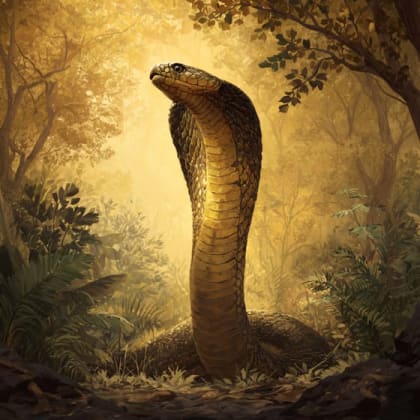
The Chilabothrus angulifer, also known as the Cuban boa, is a large snake that can be found in Cuba. It has beautiful patterns on its scales and is known for being a great climber in trees.
Lebensraum: Forests
The Chilabothrus angulifer is a robust snake, typically yellowish-brown to grayish with dark, angular blotches that often fuse into a zigzag pattern. Its scales can have an iridescent sheen, shimmering in different lights, making it quite striking.
Kategorie
ReptilienSeltenheit
Common
Gefahr
3/5 · Mittel
Snaps
Mach den ersten Snap!
Baby Cuban Boas are born live, not in eggs, and can hunt right away!
Cuban Boas are one of the largest snake species native to the Caribbean.
Sometimes, many Cuban Boas will share the same tree during the day!
They often bask in the sun to warm their bodies after cool nights.
Chilabothrus angulifer can 'see' in the dark using special heat-sensing pits around its mouth, which helps them find warm-blooded prey.
Chilabothrus angulifer can wrap its powerful body around prey, squeezing tightly to stop breathing and subdue it quickly.
Chilabothrus angulifer has a strong, prehensile tail that helps it grip branches securely while climbing high in trees to hunt.
These large snakes hunt for small mammals and birds in trees and on the ground.
Macrotus waterhousii
hunts bats as they emerge from caves

Rattus rattus
preys on introduced rodents, helping control their populations
Turdus plumbeus
ambushes birds from perches in trees and shrubs
Buteo jamaicensis
juvenile snakes are sometimes prey for large birds of prey
Mit Flecken oder farblich abgesetzten Bereichen gezeichnet.
Baumbewohnende Tiere leben hauptsächlich in Bäumen und nutzen diese als Unterschlupf, Nahrungsquelle und zum Schutz vor Raubtieren.
Farbenfroh beschreibt Organismen oder Objekte, die eine große Vielfalt an leuchtenden und deutlich erkennbaren Farben aufweisen.
Ein Lauerjäger jagt, indem er geduldig wartet und sich versteckt, um dann einen plötzlichen Angriff zu starten, wenn arglose Beute in Reichweite kommt.

Waldlebensräume sind terrestrische Lebensräume, die von dichtem Baumbestand dominiert werden und eine große Vielfalt an Pflanzen- und Tierarten beherbergen.

Dieses Merkmal kennzeichnet Organismen, deren Ernährung vollständig oder hauptsächlich aus tierischem Gewebe besteht.

Riesig beschreibt Organismen oder Objekte, die deutlich größer sind als der Durchschnitt ihrer Art oder ihres Typs.

Nachtaktive Tiere sind hauptsächlich in den Nachtstunden aktiv und ruhen oder schlafen normalerweise tagsüber.
Gefahr
3/5 · Mittel
Always keep a safe distance from snakes and never try to touch them.
100-480 cm
5-27 kg
15-25 Jahre
8 km/h
These large snakes hunt for small mammals and birds in trees and on the ground.
Forests
Ambush
5-20
Zoome hinein, um Cluster aufzulösen und zu sehen, wo dieses Objekt fotografiert wurde.
Neueste Snaps erscheinen hier, wenn neue Beobachtungen hinzukommen.

Northern Ireland, UK
Hier kann man sehen Afrikanischer Löwe, Eichhörnchen und Giraffen.
Führer anzeigen →
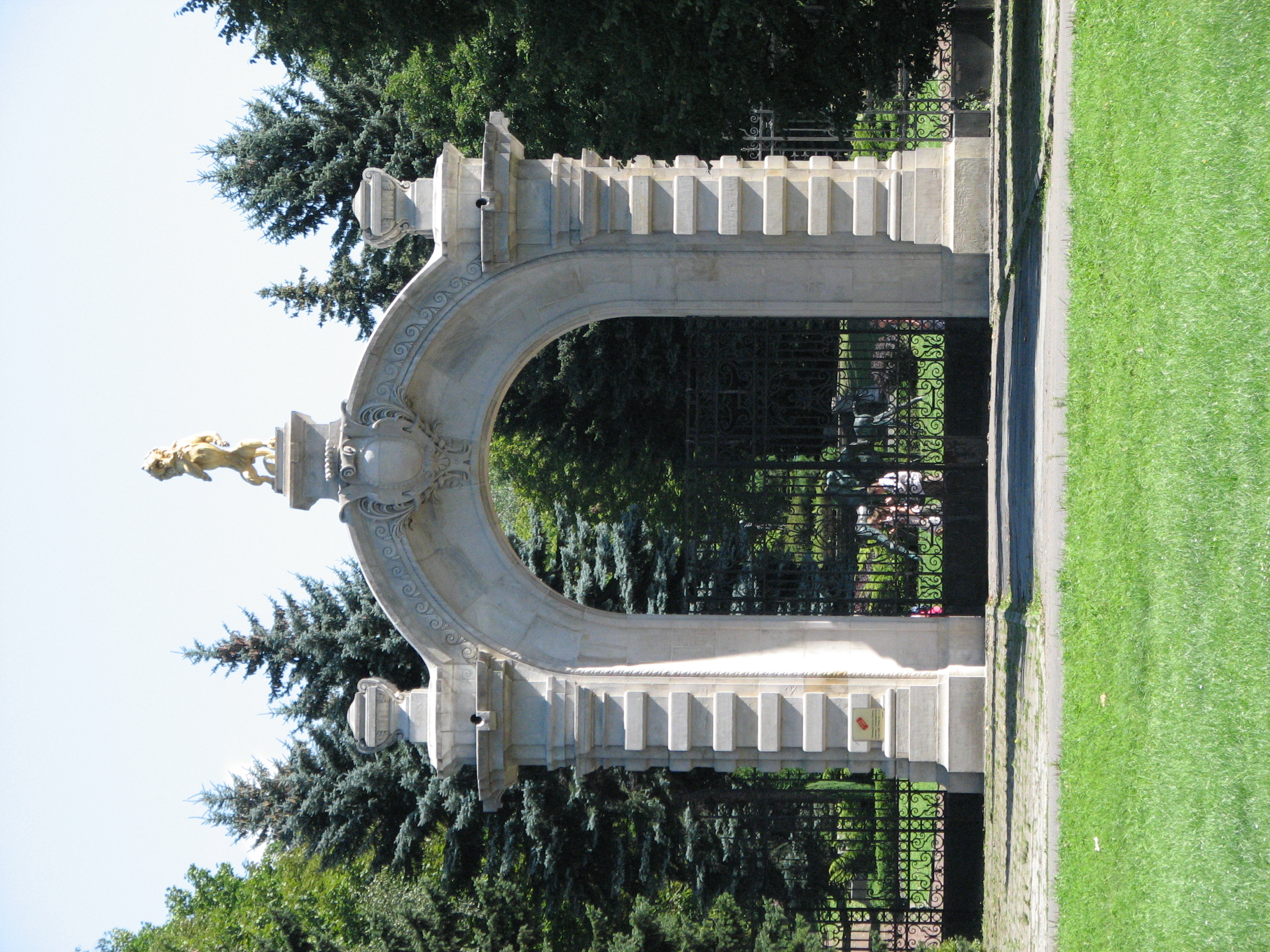
Silesian Voivodeship, PL
Hier kann man sehen Chilabothrus Angulifer und Yellow-Crested Cockatoo.
Führer anzeigen →