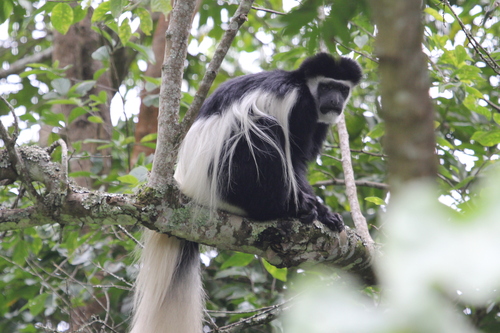


Colobuses
colobini
Colobuses are fascinating, medium-sized monkeys endemic to the forests of Africa, renowned for their striking fur and highly specialized arboreal lifestyles. The name 'colobus' originates from a Greek word meaning 'mutilated', which highlights their most famous evolutionary adaptation: reduced or entirely absent thumbs. This unique skeletal feature allows their hands to function as highly efficient hooks, enabling them to swing and leap rapidly through the dense canopy. They are dedicated leaf-eaters equipped with complex, multi-chambered stomachs containing specialized bacteria. This allows them to safely digest toxic or heavily fibrous mature foliage that other primates simply cannot consume. With their spectacular leaping abilities and loud, resonant calls that echo through the jungle, colobuses are iconic and vital residents of the African rainforest ecosystem.
Lebensraum: Typically found in the middle and upper canopies of diverse African forests, including primary rainforests, secondary forests, montane regions, and wooded savannas.
Colobuses vary significantly in appearance across genera, but they generally feature slender bodies, long tails that often end in a striking tuft or plume, and striking pelage patterns. Black-and-white colobus species boast dramatic contrasting fur with long, flowing white capes or fringes along their backs and faces, whereas red colobuses sport rich shades of rusty red, black, and brown. They have relatively short, rounded faces devoid of cheek pouches, prominent ischial callosities on their rumps, and noticeably reduced or completely missing thumbs on their hands.
Kategorie
SäugetiereSeltenheit
Common
Gefahr
1/5 · Sehr gering
Snaps
Mach den ersten Snap!
Black-and-white colobus babies are born completely white, blending in with their mother's fur and gradually gaining their adult coloration after a few months.
The word 'colobus' comes from a Greek term meaning 'mutilated', referencing their evolutionary lack of a functional thumb.
Their complex, cow-like stomachs allow them to digest highly toxic leaves that would be completely lethal to most other primate species.
When a predator like a chimpanzee attacks, male red colobuses often bravely stand their ground to defend the troop while females and young escape.
They possess a complex, multi-chambered stomach containing unique symbiotic bacteria that ferment cellulose, allowing them to extract nutrients from tough and toxic mature leaves.
Their thumbs are severely reduced to a small nub or missing entirely, allowing their hands to function as efficient, hook-like appendages for rapid brachiation.
Using powerful hind legs, colobuses execute massive horizontal leaps between trees, often dropping downward to catch branches with exceptional precision.
Their diet primarily revolves around mature and young leaves, supplemented occasionally by unripe fruits, seeds, and flowers.
Altersunterschiede: Infants nurse from their mothers before weaning onto an easily digestible diet of young leaves, eventually graduating to mature foliage.
%2C_at_Ndumo_Nature_Reserve%2C_KwaZulu-Natal%2C_South_Africa_(28947411865).jpg&width=800)
Stephanoaetus coronatus
Eaten by large aerial predators hunting in the canopy.
Pan troglodytes
Actively hunted by our closest relatives, particularly targeting red colobuses.
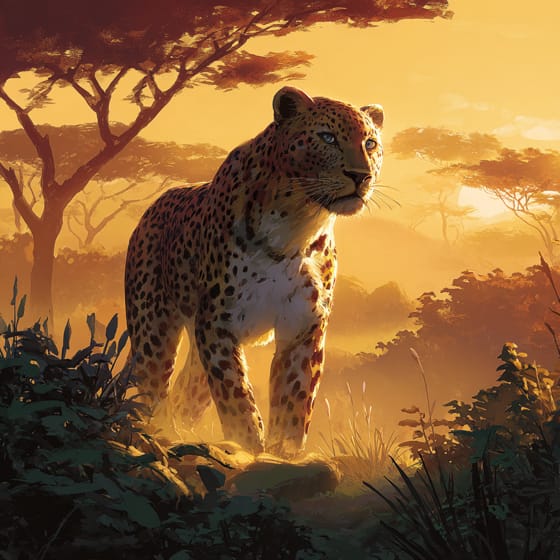
Panthera pardus
Preyed upon by large, climbing forest cats.
Für dieses Objekt sind noch keine Merkmal-Badges vergeben.
Sammlungen für dieses Objekt erscheinen hier, wenn weitere Themen hinzugefügt werden.
Gefahr
1/5 · Sehr gering
Noch keine besonderen Sicherheitshinweise.
Der einfachste Weg, Colobuses zu bestimmen, ist die Verwendung der Naturführer-App Snappit.
45-75 cm
5-15 kg
20-30 Jahre
35 km/h
Their diet primarily revolves around mature and young leaves, supplemented occasionally by unripe fruits, seeds, and flowers.
Typically found in the middle and upper canopies of diverse African forests, including primary rainforests, secondary forests, montane regions, and wooded savannas.
Foraging
Zoome hinein, um Cluster aufzulösen und zu sehen, wo dieses Objekt fotografiert wurde.
Neueste Snaps erscheinen hier, wenn neue Beobachtungen hinzukommen.


















_(7748318398).jpg&width=800)
