






Columbia lily
Lilium columbianum
The Columbia lily is a beautiful flower with bright orange petals and dark spots. It grows tall and can be found in meadows and forests, adding color to nature's canvas.
Lebensraum: Meadows and forests
The Columbia lily has striking orange petals that curve gracefully backward, revealing a sprinkle of dark purple-brown spots. Its tall, slender stem proudly displays several showy, star-shaped flowers, making it stand out in green woodlands.
Kategorie
PflanzenSeltenheit
Common
Gefahr
1/5 · Sehr gering
Snaps
Mach den ersten Snap!
Each flower can have six pollen-filled stamens, sticking out like bright orange antennae!
Its yummy bulb was a key food for Indigenous peoples of the Pacific Northwest!
The Columbia lily's petals reflex so much, they nearly touch the stem, like a fancy curtsy!
This lily can live for many decades, returning with blooms each summer.
Columbia lily has a sturdy bulb underground that stores energy, helping it survive cold winters and bloom year after year.
Columbia lily can curve its petals back to expose its stamens and nectar, making it easier for insects to find and pollinate.
Columbia lily has dark spots on its bright petals that act like landing strip guides, directing busy bees to its nectar.
Apis mellifera
Gathers nectar and pollen from the flowers.
Bombus bifarius
Visits flowers to collect nectar and pollen.
Odocoileus hemionus
Browses on the leaves and flowers of the plant.
Peromyscus maniculatus
May consume the bulbs when available.
Mit Flecken oder farblich abgesetzten Bereichen gezeichnet.
Blütenpflanzen sind alle Pflanzen, die als Teil ihres Fortpflanzungszyklus Blüten bilden.
Sommerblühende Pflanzen bringen ihre Blüten während der Sommersaison hervor und sorgen oft für leuchtende Farben, wenn viele andere Pflanzen bereits verblüht sind.
Duftende Blüten verströmen ein angenehmes Aroma, oft um Bestäuber anzulocken oder zur Abwehr.

Beschreibt Pflanzen, die für eine Vielzahl von bestäubenden Organismen besonders attraktiv und nützlich sind.

Farbenfroh beschreibt Organismen oder Objekte, die eine große Vielfalt an leuchtenden und deutlich erkennbaren Farben aufweisen.

Grasland-Lebensräume sind terrestrische Biome, die von Gräsern und krautigen Pflanzen dominiert werden und einer Vielzahl von Weidetieren als Lebensraum dienen.

Waldlebensräume sind terrestrische Lebensräume, die von dichtem Baumbestand dominiert werden und eine große Vielfalt an Pflanzen- und Tierarten beherbergen.
Noch keine Alternativnamen vorhanden.
Gefahr
1/5 · Sehr gering
Do not touch or eat flowers without asking an adult first.
60-150 cm
15-30 cm
5-8 cm
Late_spring_to_mid_summer
Ja
Keine
Mehrjährig
Insekten
Zoome hinein, um Cluster aufzulösen und zu sehen, wo dieses Objekt fotografiert wurde.
Neueste Snaps erscheinen hier, wenn neue Beobachtungen hinzukommen.
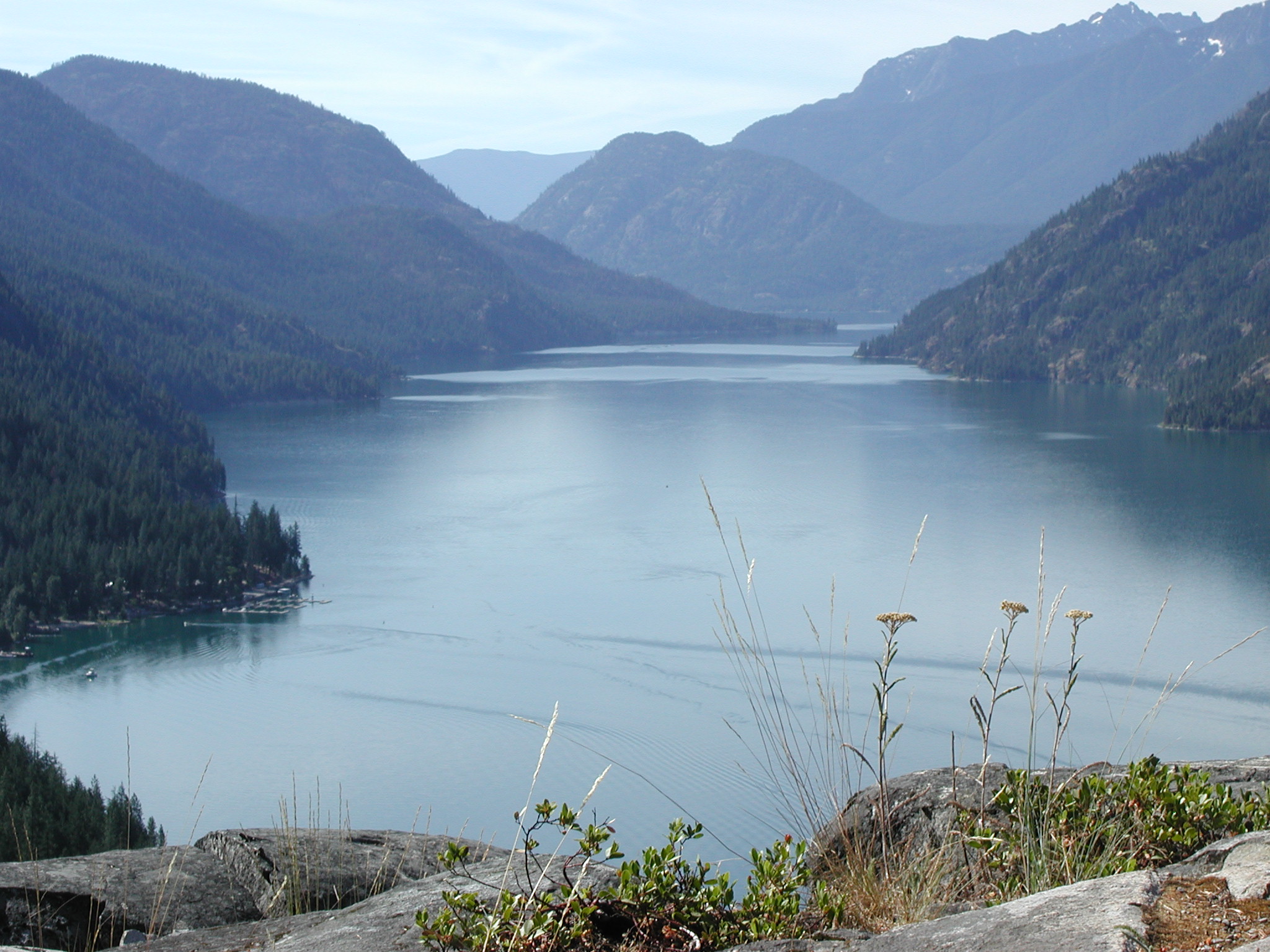
Washington, US
Hier kann man sehen Westlicher Zaunleguan und Maultierhirsch.
Führer anzeigen →
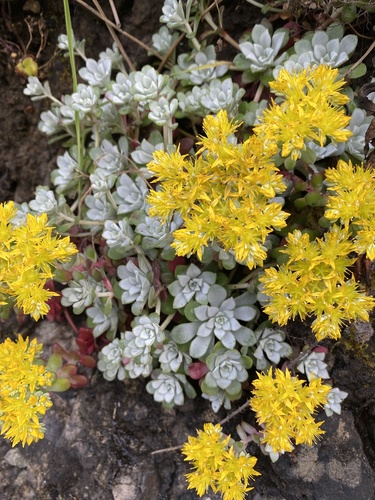
British Columbia, CA
Hier kann man sehen Broad-Leaved Stonecrop und Littleleaf Silverback.
Führer anzeigen →
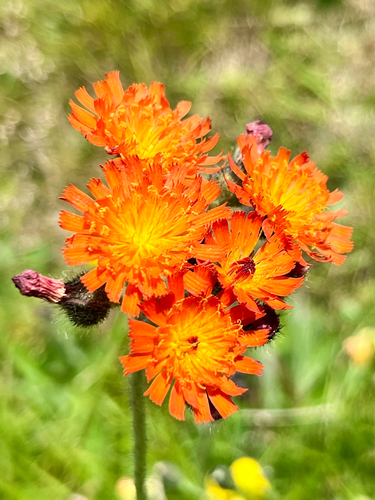
British Columbia, CA
Hier kann man sehen Orange Hawkweed, Shinyleaf Meadowsweet und Columbia Lily.
Führer anzeigen →
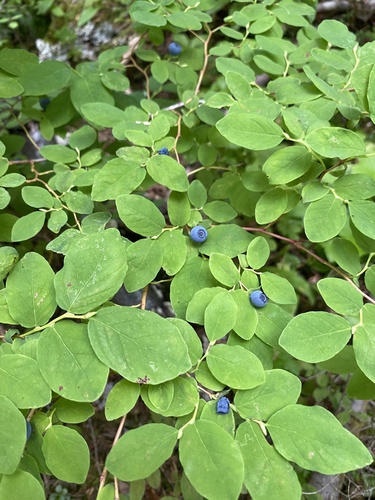
British Columbia, CA
Hier kann man sehen Oval-Leaf Blueberry und Columbia Lily.
Führer anzeigen →

British Columbia, CA
Hier kann man sehen Common Golden-Mantled Ground Squirrel.
Führer anzeigen →
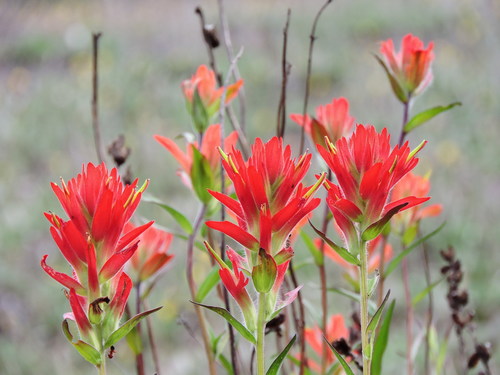
British Columbia, CA
Hier kann man sehen Giant Red Paintbrush, Lupines und Broadleaf Arnica.
Führer anzeigen →















