






Common Barklice
psocidae
Common Barklice are tiny insects that love to live on trees and shrubs! They are very good at blending in with their surroundings, making them fun to spot!
Lebensraum: They live on tree bark, leaves, and sometimes on plants in gardens.
The Common Barklice is a tiny, soft-bodied insect, typically pale grey or yellowish-brown. It often has two pairs of delicate, membranous wings, which may be clear or faintly patterned, held roof-like over its back.
Kategorie
InsektenSeltenheit
Common
Gefahr
0/5 · Keine bekannte Gefahr
Snaps
Mach den ersten Snap!
Barklice existed over 200 million years ago, making them older than dinosaurs!
Many barklice gather in large groups, looking like tiny moving patches on tree bark.
Some female barklice don't need a mate; they can lay eggs all by themselves!
They have special mouthparts that scrape tiny bits of food from tree surfaces.
Common Barklice can spin tiny silken webs because of specialized glands that help them create protective shelters on tree bark.
Some Common Barklice species can leap away quickly when startled, helping them avoid predators by making a surprising escape.
Common Barklice have mottled bodies and wings that help them blend perfectly with tree bark, making them nearly invisible to hungry birds.
These tiny insects are cleaners, munching on fungi, algae, and dead plant matter on trees!
Araneus diadematus
Its silk webs often trap barklice, making them an easy meal.
Chrysoperla carnea
Its larvae are hungry predators of soft-bodied insects like barklice.
Poecile atricapillus
Tiny birds like chickadees forage on tree bark for these small insects.
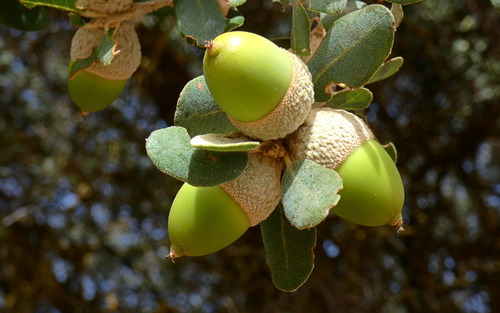
Quercus alba
Barklice find food and hiding spots on the bark of oak trees.
Soziale Tiere leben in organisierten Gruppen und kooperieren, um ihr Überleben zu sichern, beispielsweise bei der Nahrungssuche, Verteidigung und Aufzucht der Jungen.
Getarnt beschreibt Organismen, die über eine Färbung oder Musterung verfügen, durch die sie mit ihrer Umgebung verschmelzen.
Dieses Merkmal kennzeichnet Lebewesen, deren Ernährung vollständig oder hauptsächlich aus pflanzlichem Material besteht.
Waldlebensräume sind terrestrische Lebensräume, die von dichtem Baumbestand dominiert werden und eine große Vielfalt an Pflanzen- und Tierarten beherbergen.

Tagaktive Tiere sind hauptsächlich bei Tageslicht aktiv und ruhen oder schlafen in der Regel nachts.
Gefahr
0/5 · Keine bekannte Gefahr
Noch keine besonderen Sicherheitshinweise.
4-8 mm
2-4 mm
30-90 Tage
0.1-0.5 km/h
These tiny insects are cleaners, munching on fungi, algae, and dead plant matter on trees!
They live on tree bark, leaves, and sometimes on plants in gardens.
Foraging
6
Zoome hinein, um Cluster aufzulösen und zu sehen, wo dieses Objekt fotografiert wurde.
Neueste Snaps erscheinen hier, wenn neue Beobachtungen hinzukommen.









_dragonfly%2C_female_(5070363690).jpg&width=800)




