Common Gilled Mushrooms And Allies
agaricales
Common gilled mushrooms are fun and colorful fungi that pop up in forests and gardens. They can be a great place for kids to explore and learn about nature!
Lebensraum: Forests, grassy areas, and sometimes even in your backyard.
The Common Gilled Mushrooms And Allies has a cap, gills underneath, and a stalk. Caps vary greatly in size and color, often appearing in shades of white, brown, red, or yellow. The radiating gill plates under the cap are a key identifier, distinguishing them from other fungi.
Kategorie
PilzeSeltenheit
Common
Gefahr
2/5 · Gering
Snaps
Mach den ersten Snap!
Mushrooms "breathe" by taking in oxygen and releasing carbon dioxide, just like animals!
One fungus mycelium, mostly underground, can cover over 2,000 acres, making it Earth's largest living thing!
Some mushrooms can mimic flowers or even insects to trick other creatures, helping them spread!
The oldest mushroom fossil found is over 115 million years old, growing when dinosaurs roamed!
Common Gilled Mushrooms And Allies can launch millions of tiny spores because of their specialized gills, helping them spread far and wide.
Common Gilled Mushrooms And Allies can break down dead trees and leaves because they release powerful enzymes, recycling nutrients back to nature.
Common Gilled Mushrooms And Allies can connect with plants underground through their roots because they form beneficial partnerships, sharing water and nutrients.
Some Common Gilled Mushrooms And Allies can glow in the dark because they produce special chemicals that emit light, attracting insects at night.
Quercus alba
shares nutrients through root connections
Drosophila melanogaster
larvae feed on decaying mushroom tissue
Sciurus carolinensis
forages for and consumes various fungi
Betula pendula
forms mycorrhizal associations with roots
Einzelgänger leben den größten Teil ihres Lebens allein und interagieren mit Artgenossen nur zur Paarung oder zur Aufzucht der Jungen.
Farbenfroh beschreibt Organismen oder Objekte, die eine große Vielfalt an leuchtenden und deutlich erkennbaren Farben aufweisen.
Waldlebensräume sind terrestrische Lebensräume, die von dichtem Baumbestand dominiert werden und eine große Vielfalt an Pflanzen- und Tierarten beherbergen.
Beschreibt Organismen, die totes organisches Material abbauen und Nährstoffe in das Ökosystem zurückführen.

Tagaktive Tiere sind hauptsächlich bei Tageslicht aktiv und ruhen oder schlafen in der Regel nachts.
Gefahr
2/5 · Gering
Some mushrooms can be poisonous, so always ask an adult before touching or tasting them.
0.5-40 cm
poisonous
1-30 cm
Forests, grassy areas, and sometimes even in your backyard.
soil
Spring, summer, fall, winter
White, brown, black, pink, yellow
Zoome hinein, um Cluster aufzulösen und zu sehen, wo dieses Objekt fotografiert wurde.
Neueste Snaps erscheinen hier, wenn neue Beobachtungen hinzukommen.
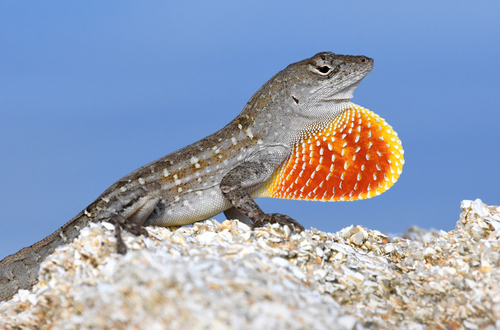
Florida, US
Hier kann man sehen Brauner Anolis und Green Treefrog.
Führer anzeigen →
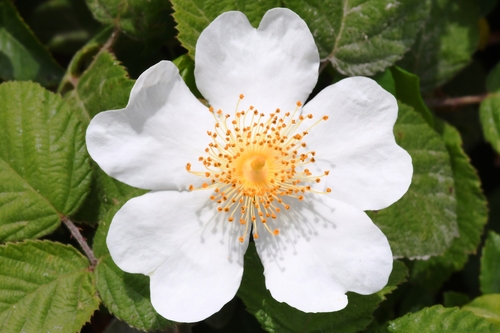
Virginia, US
Hier kann man sehen Rosen, Onions und Broadleaf Arrowhead.
Führer anzeigen →

British Columbia, CA
Hier kann man sehen Western Rattlesnake Plantain und Shinyleaf Meadowsweet.
Führer anzeigen →