






common hackberry
Celtis occidentalis
The common hackberry is a tall tree with rough bark and small, sweet berries. It provides shade and food for many animals, making it a great tree for parks and gardens.
Lebensraum: Urban areas
The common hackberry is a medium to large deciduous tree known for its unique, corky, warty bark. Its alternate, ovate leaves are rough to the touch with toothed edges. Small, round, dark purple fruits develop in fall, persisting into winter.
Kategorie
PflanzenSeltenheit
Common
Gefahr
1/5 · Sehr gering
Snaps
Mach den ersten Snap!
Birds love hackberry fruit so much, they help spread its seeds everywhere.
Its sweet berries taste like dates and are safe for humans to eat!
Native Americans used hackberry bark for traditional medicine and yellow dye.
The unusual bumpy bark on a hackberry feels like sandpaper mixed with cork!
Common hackberry can thrive in dry conditions thanks to its deep root system that finds water far below ground.
Common hackberry has incredibly thick, warty bark that provides unique shelter for insects and makes it tough against damage.
Common hackberry's sweet, purple berries cling to branches through winter, providing a crucial food source for birds when other food is scarce.
Common hackberry can tolerate harsh urban conditions, including pollution and poor soil, making it a resilient city tree.
Sialia sialis
feeds on its sweet berries in winter
Turdus migratorius
enjoys its persistent fruits year-round

Asterocampa celtis
its caterpillars exclusively eat hackberry leaves
Phyllocnistis celtifoliella
larvae create winding tunnels within leaves
Procyon lotor
consumes the nutritious hackberry fruits
Laubabwerfende Pflanzen werfen regelmäßig all ihre Blätter ab, typischerweise im Herbst oder in Trockenzeiten.
Schattenverträgliche Pflanzen sind an das Wachstum und Gedeihen in Bereichen mit wenig Licht angepasst und benötigen weniger direkte Sonneneinstrahlung.
Fruchttragende Pflanzen produzieren Früchte, also die reifen Fruchtknoten von Blütenpflanzen, die Samen enthalten.
Laubbäume sind Bedecktsamer, die sich durch flache, breite Blätter auszeichnen, welche in gemäßigten Klimazonen typischerweise jährlich abgeworfen werden.

Essbare Pflanzen sind diejenigen Pflanzenteile, die für den menschlichen Verzehr als unbedenklich gelten.

Herbstfärbung bezeichnet den jahreszeitlichen Wechsel der Blattpigmentierung, der vor allem bei Laubpflanzen leuchtende Farbtöne hervorbringt.

Nutzholz bezeichnet Holz, das für die Verwendung im Bauwesen und in der Zimmerei aufbereitet wurde.

Dieses Merkmal kennzeichnet Organismen mit einer außergewöhnlich langen Lebensspanne im Vergleich zu anderen ihrer Art.

Beschreibt eine Art, deren Anwesenheit und Rolle einen unverhältnismäßig großen Einfluss auf ihre Umwelt haben.

Dieses Lebensraummerkmal weist auf Arten hin, die in städtischen und vorstädtischen Umgebungen mit Menschen zusammenleben können und von Menschen geschaffene Strukturen sowie Grünflächen nutzen.
Noch keine Alternativnamen vorhanden.
Gefahr
1/5 · Sehr gering
Always stay on paths when exploring near trees and be careful of falling branches.
1200-2500 cm
900-1500 cm
0.3-0.6 cm
Frühling
Ja
Keine
Mehrjährig
Wind
Zoome hinein, um Cluster aufzulösen und zu sehen, wo dieses Objekt fotografiert wurde.
Neueste Snaps erscheinen hier, wenn neue Beobachtungen hinzukommen.
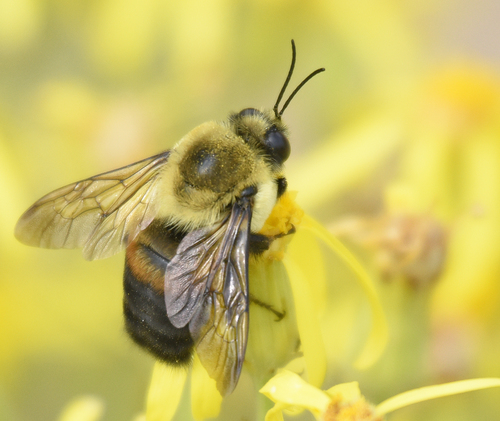
New York, US
Hier kann man sehen Brown-Belted Bumble Bee und östliches Grauhörnchen.
Führer anzeigen →

Maryland, US
Hier kann man sehen Bufflehead, Common Goldeneye und Ente.
Führer anzeigen →
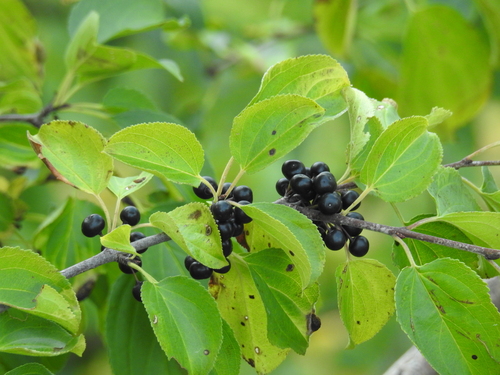
Michigan, US
Hier kann man sehen Common Buckthorn, False Indigo Bush und Honey Locusts.
Führer anzeigen →

Ontario, CA
Hier kann man sehen Rauchschwalbe und Northern Yellow Warbler.
Führer anzeigen →
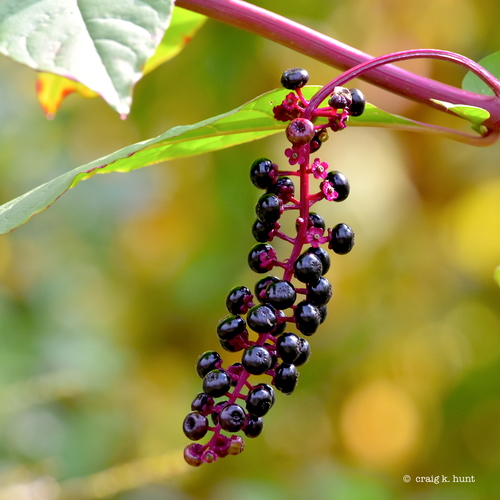
Maryland, US
Hier kann man sehen American Pokeweed, Goldruten und Common Hackberry.
Führer anzeigen →




.jpg&width=800)










