-left_01.jpg&width=800)





Common Rough Woodlouse
porcellio scaber
The Common Rough Woodlouse is a tiny creature that looks like a little armored bug! It loves to hide under rocks and in damp places, where it can scurry around safely.
Lebensraum: Common Rough Woodlice are often found in gardens, forests, and under logs or stones.
The Common Rough Woodlouse is a small, oval-shaped crustacean with a distinctly bumpy, greyish-brown segmented body. It has seven pairs of legs and two visible antennae, making its textured back different from smoother woodlice.
Kategorie
InvertebrateSeltenheit
Common
Gefahr
0/5 · Keine bekannte Gefahr
Snaps
Mach den ersten Snap!
Female woodlice carry their babies in a special pouch, just like a kangaroo!
They are crustaceans, related to crabs and lobsters, not insects!
They can survive for months without food if conditions are just right!
Woodlice drink water by sucking it up through their rear end, like a tiny straw!
Common Rough Woodlouse has a tough, segmented exoskeleton that helps protect it from drying out and hungry predators.
Common Rough Woodlouse can release a foul-tasting liquid because it's stored in glands, deterring predators with a bad flavor.
Common Rough Woodlouse can detect humidity changes because specialized sensors help them find damp, dark places to survive.
These tiny recyclers munch on decaying plants and fungi, helping to clean up the environment!

Dysdera crocata
This spider hunts woodlice specifically with its large fangs.
Lithobius forficatus
A speedy predator that ambushes woodlice in damp places.
Bufo bufo
An opportunistic amphibian predator that often dines on woodlice.

Sorex araneus
A small mammal that forages for invertebrates like woodlice.
Soziale Tiere leben in organisierten Gruppen und kooperieren, um ihr Überleben zu sichern, beispielsweise bei der Nahrungssuche, Verteidigung und Aufzucht der Jungen.
Grabende Tiere heben Tunnel und Kammern im Erdboden aus und nutzen diese unterirdischen Strukturen als Unterschlupf, zur Jagd oder zur Fortpflanzung.
Dieses Merkmal kennzeichnet Lebewesen, deren Ernährung vollständig oder hauptsächlich aus pflanzlichem Material besteht.
Beschreibt Organismen, die totes organisches Material abbauen und Nährstoffe in das Ökosystem zurückführen.

Tagaktive Tiere sind hauptsächlich bei Tageslicht aktiv und ruhen oder schlafen in der Regel nachts.
Gefahr
0/5 · Keine bekannte Gefahr
Noch keine besonderen Sicherheitshinweise.
1.7 cm
0.1 g
3 Jahre
These tiny recyclers munch on decaying plants and fungi, helping to clean up the environment!
Common Rough Woodlice are often found in gardens, forests, and under logs or stones.
Foraging
50
Zoome hinein, um Cluster aufzulösen und zu sehen, wo dieses Objekt fotografiert wurde.
Neueste Snaps erscheinen hier, wenn neue Beobachtungen hinzukommen.

British Columbia, CA
Hier kann man sehen Salal, Evergreen Huckleberry und Douglasie.
Führer anzeigen →
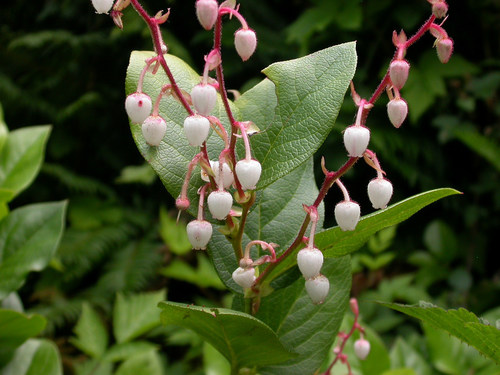
British Columbia, CA
Hier kann man sehen Salal, Small Ground-Cone und Evergreen Huckleberry.
Führer anzeigen →















.jpg&width=800)