






Common Sagebrush Lizard
sceloporus graciosus
The Common Sagebrush Lizard is a small and colorful lizard that loves to bask in the sun! With its amazing ability to change colors, it can blend into its surroundings and avoid predators.
Lebensraum: They live in sagebrush deserts and dry grasslands across the western United States.
The Common Sagebrush Lizard is typically gray, tan, or brown with dark blotches or stripes that help it blend in. Males often display vibrant blue patches on their throat and belly, especially during breeding season. Its scales are granular, giving it a somewhat rough appearance.
Kategorie
ReptilienSeltenheit
Common
Gefahr
0/5 · Keine bekannte Gefahr
Snaps
Mach den ersten Snap!
Each sagebrush lizard has unique markings, just like human fingerprints!
They swallow sand to help digest their food and get important minerals!
This lizard can do push-ups to show off to other lizards!
To warm up, they angle their bodies perfectly to catch the sun's rays!
Common Sagebrush Lizard can blend perfectly into its rocky and sandy surroundings because of its mottled skin patterns that help them hide from predators.
Common Sagebrush Lizard can detach its tail when caught by a predator, because the wiggling tail distracts the attacker, allowing them to escape.
Common Sagebrush Lizard has special eyes that can see ultraviolet light, which helps them find food and spot other lizards.
Mostly eats small insects and spiders, but will snack on plants and even other tiny lizards!
Formica fusca
A common prey item for young lizards.
Acheta domesticus
A common insect prey in its habitat.

Crotalus viridis
A primary predator of these small lizards.
Buteo jamaicensis
Hunts lizards from the sky.
Einzelgänger leben den größten Teil ihres Lebens allein und interagieren mit Artgenossen nur zur Paarung oder zur Aufzucht der Jungen.
Farbenfroh beschreibt Organismen oder Objekte, die eine große Vielfalt an leuchtenden und deutlich erkennbaren Farben aufweisen.
Getarnt beschreibt Organismen, die über eine Färbung oder Musterung verfügen, durch die sie mit ihrer Umgebung verschmelzen.
Dieses Merkmal kennzeichnet Organismen, deren Ernährung vollständig oder hauptsächlich aus tierischem Gewebe besteht.

Tagaktive Tiere sind hauptsächlich bei Tageslicht aktiv und ruhen oder schlafen in der Regel nachts.
Gefahr
0/5 · Keine bekannte Gefahr
Noch keine besonderen Sicherheitshinweise.
10-20 cm
0.002-0.01 kg
2-5 Jahre
18 km/h
Mostly eats small insects and spiders, but will snack on plants and even other tiny lizards!
They live in sagebrush deserts and dry grasslands across the western United States.
Ambush
2-10
Zoome hinein, um Cluster aufzulösen und zu sehen, wo dieses Objekt fotografiert wurde.
Neueste Snaps erscheinen hier, wenn neue Beobachtungen hinzukommen.

California, US
Hier kann man sehen Warrior's Plume, Diogenes' Lantern und Checker Lily.
Führer anzeigen →
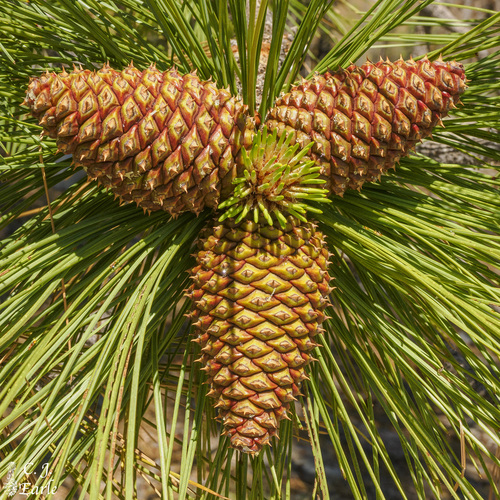
California, US
Hier kann man sehen Jeffrey Pine und Pandora Pinemoth.
Führer anzeigen →

Montana, US
Hier kann man sehen Dickhornschaf und Curlleaf Mountain Mahogany.
Führer anzeigen →















