
_repens_(3621876909).jpg&width=800)





creeping mahonia
Berberis repens
Creeping mahonia is a small, evergreen shrub with shiny leaves and bright yellow flowers. It grows close to the ground and can spread out like a carpet, making it a lovely addition to gardens.
Lebensraum: Forests
The creeping mahonia is a low-growing, evergreen shrub with distinctive holly-like, spiny, green leaves that often turn reddish-purple in cold weather. It boasts clusters of small, bright yellow flowers, followed by powdery blue-black berries.
Kategorie
PflanzenSeltenheit
Common
Gefahr
2/5 · Gering
Snaps
Mach den ersten Snap!
Even though its leaves look like holly, this plant is not related to true holly at all!
In autumn, its tough green leaves can magically change to surprising purple-red hues!
Its roots were once used by Native Americans to make a bright yellow dye!
The tart blue berries are perfect for making delicious jellies and sauces!
Creeping mahonia has tough, evergreen leaves that help it stay green and make food all year, even when other plants lose their leaves.
Creeping mahonia has sharp, spiny edges on its leaves that help defend it from hungry animals that might want a snack.
Creeping mahonia can spread with special underground stems (rhizomes) to colonize new areas and find more water.
Creeping mahonia produces tart, blue-black berries that attract birds and other animals, helping the plant spread its seeds far and wide.
Apis mellifera
Gathers nectar from its yellow flowers.
Bombus mixtus
Visits flowers for pollen and nectar.
Turdus migratorius
Feeds on its nutritious blue-black berries.
Ursus americanus
Forages for its berries as a food source.
Blütenpflanzen sind alle Pflanzen, die als Teil ihres Fortpflanzungszyklus Blüten bilden.
Zierpflanzen werden hauptsächlich wegen ihres ästhetischen Reizes angebaut und verschönern Landschaften und Gärten mit ihrem attraktiven Laub, ihren Blüten oder ihrer Form.
Frühlingsblüher bilden ihre Blüten im Frühjahr und kündigen oft das Ende des Winters und den Beginn neuen Wachstums an.
Ein Strauch ist eine verholzende Pflanze, die kleiner als ein Baum ist und typischerweise mehrere Stämme hat, die sich ab oder nahe dem Boden verzweigen.

Fruchttragende Pflanzen produzieren Früchte, also die reifen Fruchtknoten von Blütenpflanzen, die Samen enthalten.

Immergrüne Pflanzen behalten ihr Laub das ganze Jahr über und werfen nie alle Blätter auf einmal ab.

Beschreibt Pflanzen, die für eine Vielzahl von bestäubenden Organismen besonders attraktiv und nützlich sind.

Essbare Pflanzen sind diejenigen Pflanzenteile, die für den menschlichen Verzehr als unbedenklich gelten.

Waldlebensräume sind terrestrische Lebensräume, die von dichtem Baumbestand dominiert werden und eine große Vielfalt an Pflanzen- und Tierarten beherbergen.
Noch keine Alternativnamen vorhanden.
Gefahr
2/5 · Gering
Always ask an adult before touching plants, as some can be prickly.
15-30 cm
30-90 cm
0.5-1 cm
Spring to early summer
Ja
Leicht
Mehrjährig
Insekten
Zoome hinein, um Cluster aufzulösen und zu sehen, wo dieses Objekt fotografiert wurde.
Neueste Snaps erscheinen hier, wenn neue Beobachtungen hinzukommen.
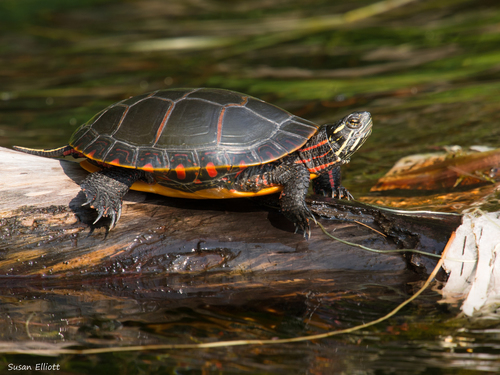
British Columbia, CA
Hier kann man sehen Zierschildkröte und Antelope Bitterbrush.
Führer anzeigen →
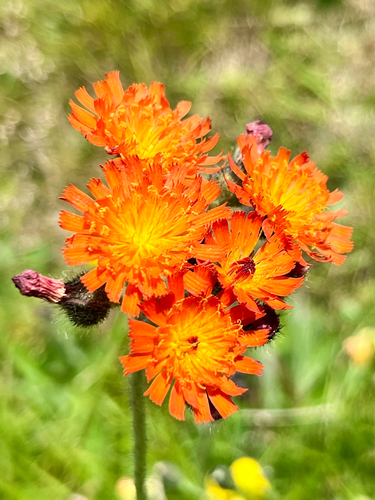
British Columbia, CA
Hier kann man sehen Orange Hawkweed, Shinyleaf Meadowsweet und Columbia Lily.
Führer anzeigen →

Wyoming, US
Hier kann man sehen Präriehund, Bur Oak und Rocky Mountains Ponderosa Pine.
Führer anzeigen →







4.jpg&width=800)




_Epilobium_ciliatum_-_flowers.jpg&width=800)



