






creeping thistle
Cirsium arvense
Creeping thistle is a tall plant with spiky purple flowers. It grows in fields and gardens, and its fluffy seeds can float in the wind, spreading far and wide!
Lebensraum: Grasslands
The creeping thistle has spiny, lance-shaped leaves that grow along its ribbed stem. Its vibrant purple flower heads are small, fuzzy, and typically clustered at the stem's top. Unlike some thistles, its flower heads are usually smaller and lack large spiny bracts.
Kategorie
PflanzenSeltenheit
Common
Gefahr
2/5 · Gering
Snaps
Mach den ersten Snap!
Each tiny purple flower head can release hundreds of fluffy seeds carried far by the wind!
Its roots can dive over 6 feet deep, making it incredibly hard to remove from the soil!
While a weed to farmers, many pollinators, like bees and butterflies, absolutely love its nectar!
Young creeping thistle stems, when properly prepared, can actually be cooked and eaten!
Creeping thistle can spread widely with deep, creeping roots (rhizomes) that help it find water and nutrients, making it very resilient.
Creeping thistle has sharp spines on its leaves and stems that protect it from hungry animals wanting to take a bite.
Creeping thistle produces numerous lightweight, fluffy seeds that can float far on the wind, colonizing new areas easily.
Apis mellifera
Collects nectar and pollen from flowers.
Vanessa cardui
Larvae feed on thistle leaves.
Carduelis carduelis
Feeds on the seeds from the flower heads.
Uroleucon cirsii
Sucks sap from stems and leaves.
Blütenpflanzen sind alle Pflanzen, die als Teil ihres Fortpflanzungszyklus Blüten bilden.
Zweijährige Pflanzen vollenden ihren Lebenszyklus in zwei Vegetationsperioden, wobei sie im ersten Jahr normalerweise Laub bilden und im zweiten blühen und Samen tragen.
Beschreibt Pflanzen, die für eine Vielzahl von bestäubenden Organismen besonders attraktiv und nützlich sind.
Farbenfroh beschreibt Organismen oder Objekte, die eine große Vielfalt an leuchtenden und deutlich erkennbaren Farben aufweisen.

Grasland-Lebensräume sind terrestrische Biome, die von Gräsern und krautigen Pflanzen dominiert werden und einer Vielzahl von Weidetieren als Lebensraum dienen.

Schnellwachsende Pflanzen weisen eine beschleunigte Wachstumsrate auf und nehmen innerhalb kurzer Zeit schnell an Größe und Biomasse zu.

Besitzt scharfe, spitze Vorsprünge oder Stacheln auf dem Körper oder der Oberfläche.

Invasive Arten sind gebietsfremde Organismen, die der Umwelt, der Wirtschaft oder der menschlichen Gesundheit schaden.
Noch keine Alternativnamen vorhanden.
Gefahr
2/5 · Gering
Be careful of the sharp thorns on the leaves and stems.
30-150 cm
1-2 cm
Sommer
Ja
Leicht
Mehrjährig
Insekten
Grasslands
Zoome hinein, um Cluster aufzulösen und zu sehen, wo dieses Objekt fotografiert wurde.
Neueste Snaps erscheinen hier, wenn neue Beobachtungen hinzukommen.
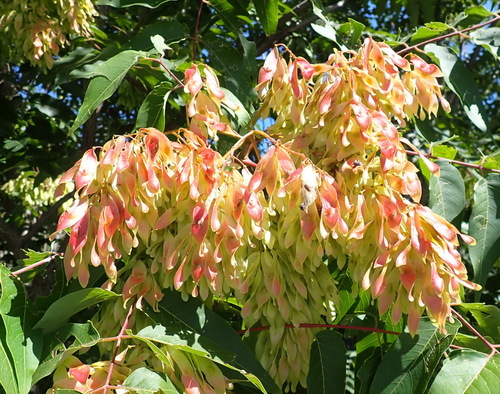
New York, US
Hier kann man sehen Tree-Of-Heaven, Spotted Lanternfly und Felsentaube.
Führer anzeigen →

England, UK
Hier kann man sehen Cinnabar Moth, Common Moorhen und Marmalade Hover Fly.
Führer anzeigen →

Washington, US
Hier kann man sehen Kanadagans, Ente und American Coot.
Führer anzeigen →
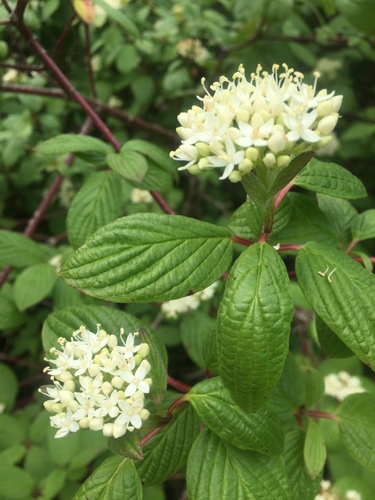
British Columbia, CA
Hier kann man sehen Red Osier Dogwood, Küsten-Kiefer und Common Juniper.
Führer anzeigen →
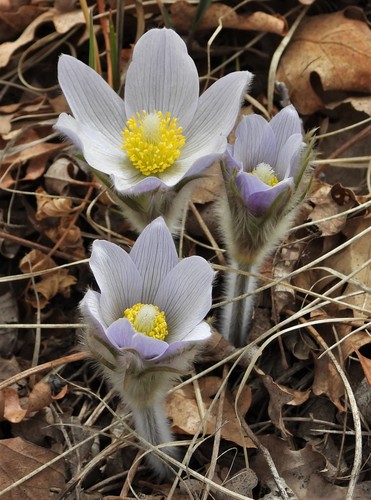
South Dakota, US
Hier kann man sehen Prairie Pasqueflower und Common Buckthorn.
Führer anzeigen →
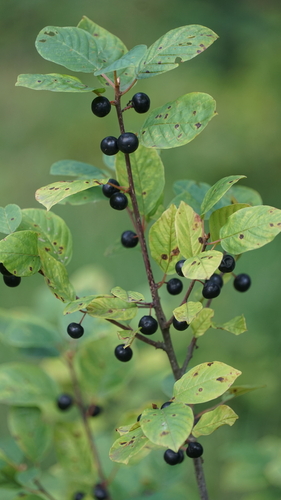
Michigan, US
Hier kann man sehen Alder Buckthorn, Bulblet Fern und Western Poison Ivy.
Führer anzeigen →















