
.jpg&width=800)





Cut-Leaf Fleabane
erigeron compositus
The Cut-Leaf Fleabane is a delightful little flower that brightens up meadows and gardens! Its unique, finely cut leaves and cheerful blooms make it a favorite among insects and nature lovers alike.
Lebensraum: Cut-Leaf Fleabane typically grows in grassy areas, meadows, and along roadsides across North America.
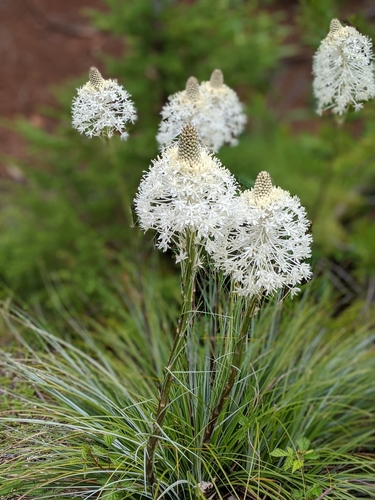
The Cut-Leaf Fleabane is a low-growing plant featuring finely divided, fern-like leaves that give it a delicate, lacy texture. It produces small, daisy-like flowers with numerous narrow ray petals, typically appearing white or pale purple.
Kategorie
PflanzenSeltenheit
Common
Gefahr
0/5 · Keine bekannte Gefahr
Snaps
Mach den ersten Snap!
Despite its name, it doesn't repel fleas, but it makes a great snack for some insects!
Its leaves look like miniature green ferns, even though it's a daisy cousin!
This tough plant can grow high up on mountains where it gets really chilly!
Tiny seeds help it catch the wind and float to new homes far away!
Cut-Leaf Fleabane has intricately cut leaves that help it reduce water loss and blend into rocky terrains.
Cut-Leaf Fleabane can anchor itself with strong roots, allowing it to thrive in windy alpine environments.
Cut-Leaf Fleabane has many tiny flowers clustered together, making its blooms more attractive to busy pollinators.
Apis mellifera
Its nectar provides energy for bees.
Bombus mixtus
Collects pollen and nectar from its blooms.
Phalaenostola metata
Its larvae may feed on the plant's leaves.
Farbenfroh beschreibt Organismen oder Objekte, die eine große Vielfalt an leuchtenden und deutlich erkennbaren Farben aufweisen.
Grasland-Lebensräume sind terrestrische Biome, die von Gräsern und krautigen Pflanzen dominiert werden und einer Vielzahl von Weidetieren als Lebensraum dienen.
Dieses Merkmal kennzeichnet Lebewesen, deren Ernährung vollständig oder hauptsächlich aus pflanzlichem Material besteht.
Tagaktive Tiere sind hauptsächlich bei Tageslicht aktiv und ruhen oder schlafen in der Regel nachts.

Beschreibt Organismen, die Pollen übertragen und so die Befruchtung und Fortpflanzung von Pflanzen ermöglichen.
Gefahr
0/5 · Keine bekannte Gefahr
Noch keine besonderen Sicherheitshinweise.
5-30 cm
5-15 cm
1-2 cm
Late spring to summer
Ja
Leicht
Mehrjährig
Insekten
Zoome hinein, um Cluster aufzulösen und zu sehen, wo dieses Objekt fotografiert wurde.
Neueste Snaps erscheinen hier, wenn neue Beobachtungen hinzukommen.






%2C_Mosqueira.JPG&width=800)







