
_Figures_27%2C_28.jpg&width=800)





Dichelotarsus
Dichelotarsus
Dichelotarsus is a unique insect known for its colorful body and interesting shapes. These little creatures can be found in various habitats and are fun to discover in nature!
Lebensraum: Urban areas
The Dichelotarsus is a slender-bodied beetle, typically dark brown or black with an orange-red margin on its head shield (pronotum). Its hardened forewings (elytra) cover a light-producing organ at its abdomen's tip, setting it apart visually from most other beetles.
Kategorie
InsektenSeltenheit
Common
Gefahr
1/5 · Sehr gering
Snaps
Mach den ersten Snap!
Each firefly species has its own secret flashing code!
Firefly larvae also glow to warn predators they taste bad!
Some sneaky female fireflies eat males from other species!
These 'flies' are actually beetles, not true flies at all!
Dichelotarsus can produce its own light using special chemicals, which helps them find mates in the dark.
Dichelotarsus has bitter-tasting chemicals called lucibufagins that helps them deter hungry predators.
Dichelotarsus larvae are active hunters, while adults often do not feed or sip nectar.
Altersunterschiede: Larvae are predatory, while adults may not feed or consume nectar/pollen minimally.
Helix aspersa
Larvae feast on these slow-moving mollusks.
Anaxyrus americanus
Toads might try to eat adults, but regret it!
Myotis lucifugus
Bats hunt them by echolocation in the dark.
Soziale Tiere leben in organisierten Gruppen und kooperieren, um ihr Überleben zu sichern, beispielsweise bei der Nahrungssuche, Verteidigung und Aufzucht der Jungen.
Beschreibt Pflanzen, die für eine Vielzahl von bestäubenden Organismen besonders attraktiv und nützlich sind.
Farbenfroh beschreibt Organismen oder Objekte, die eine große Vielfalt an leuchtenden und deutlich erkennbaren Farben aufweisen.
Getarnt beschreibt Organismen, die über eine Färbung oder Musterung verfügen, durch die sie mit ihrer Umgebung verschmelzen.

Dieses Merkmal kennzeichnet Lebewesen, deren Ernährung vollständig oder hauptsächlich aus pflanzlichem Material besteht.

Tagaktive Tiere sind hauptsächlich bei Tageslicht aktiv und ruhen oder schlafen in der Regel nachts.

Dieses Lebensraummerkmal weist auf Arten hin, die in städtischen und vorstädtischen Umgebungen mit Menschen zusammenleben können und von Menschen geschaffene Strukturen sowie Grünflächen nutzen.

Beschreibt Organismen, die Pollen übertragen und so die Befruchtung und Fortpflanzung von Pflanzen ermöglichen.
Noch keine Alternativnamen vorhanden.
Gefahr
1/5 · Sehr gering
Always look but don't touch insects unless an adult says it's okay.
20-40 mm
10-20 mm
14-28 Tage
8 km/h
Dichelotarsus larvae are active hunters, while adults often do not feed or sip nectar.
Urban areas
Foraging
6
Zoome hinein, um Cluster aufzulösen und zu sehen, wo dieses Objekt fotografiert wurde.
Neueste Snaps erscheinen hier, wenn neue Beobachtungen hinzukommen.

British Columbia, CA
Hier kann man sehen Pipsissewa, Western Rattlesnake Plantain und Salal.
Führer anzeigen →
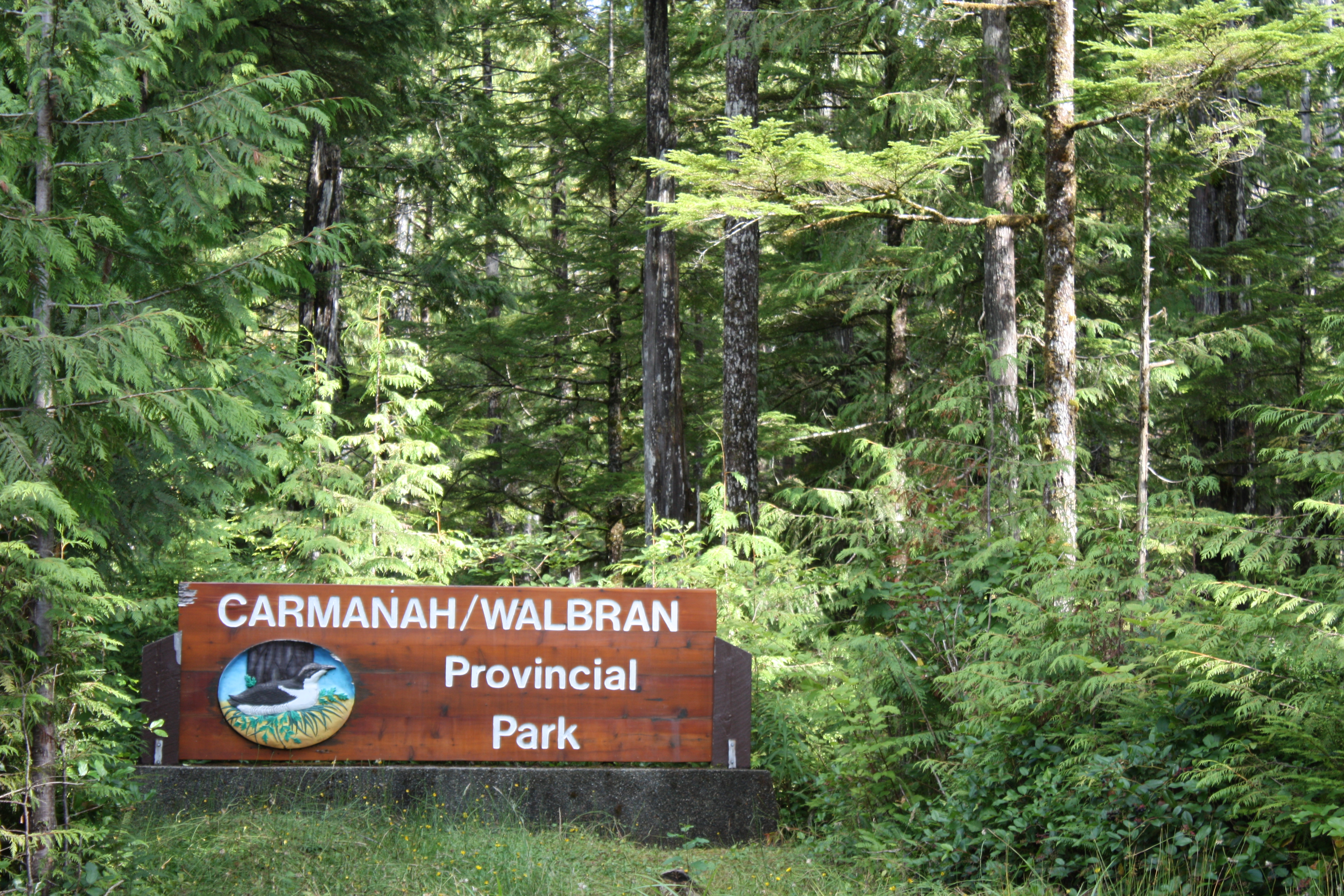
British Columbia, CA
Hier kann man sehen Bananenschnecke und Round-Leaved Sundew.
Führer anzeigen →
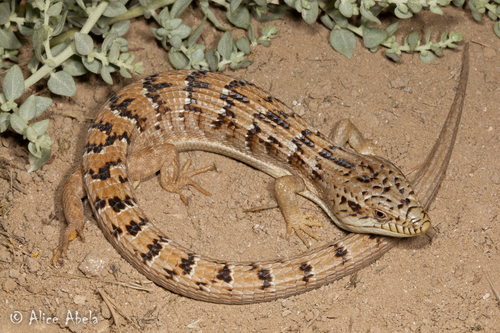
California, US
Hier kann man sehen Southern Alligator Lizard, Grasses und Catchweed Bedstraw.
Führer anzeigen →









_-_London%2C_Ontario_2015-06-19.jpg&width=800)



