






Eastern Cicada-killer Wasp
Sphecius speciosus
The Eastern Cicada-killer Wasp is a big, friendly-looking wasp that helps control cicada populations. They are not aggressive and are often seen buzzing around in gardens and fields.
Lebensraum: Urban areas
The Eastern Cicada-killer Wasp is a large, robust insect with a black body marked by bright yellow bands on its abdomen. It has distinctive rusty-orange wings and a prominent head, making it visually striking compared to other wasps.
Kategorie
InsektenSeltenheit
Common
Gefahr
1/5 · Sehr gering
Snaps
Mach den ersten Snap!
A single Eastern Cicada-killer Wasp can catch and carry multiple large cicadas!
Each female digs her own personal underground nursery for her developing young!
Some females can choose if their eggs will hatch into male or female wasps!
These giant wasps rarely sting humans unless seriously provoked!
Eastern Cicada-killer Wasps can deliver a paralyzing sting because of venom that helps them subdue large cicadas for their young.
Eastern Cicada-killer Wasps can dig intricate underground burrows because of strong legs and mandibles that help them create nurseries for their larvae.
Eastern Cicada-killer Wasps can stock their underground nurseries because of their hunting prowess that helps them provide abundant food for their developing larvae.
Adult wasps feed on nectar, while their larvae feast exclusively on paralyzed cicadas.
Altersunterschiede: Adult wasps primarily consume nectar and tree sap, while larvae exclusively feed on cicadas paralyzed by the female.
Neotibicen pruinosus
Paralyzed as food for larvae.
Solidago canadensis
Adults visit flowers for nectar.
Mephitis mephitis
Digs up burrows to consume larvae.
Einzelgänger leben den größten Teil ihres Lebens allein und interagieren mit Artgenossen nur zur Paarung oder zur Aufzucht der Jungen.
Beschreibt Pflanzen, die für eine Vielzahl von bestäubenden Organismen besonders attraktiv und nützlich sind.
Dieses Merkmal kennzeichnet Organismen, deren Ernährung vollständig oder hauptsächlich aus tierischem Gewebe besteht.
Beschreibt eine Art, deren Anwesenheit und Rolle einen unverhältnismäßig großen Einfluss auf ihre Umwelt haben.

Tagaktive Tiere sind hauptsächlich bei Tageslicht aktiv und ruhen oder schlafen in der Regel nachts.

Riesig beschreibt Organismen oder Objekte, die deutlich größer sind als der Durchschnitt ihrer Art oder ihres Typs.

Dieses Lebensraummerkmal weist auf Arten hin, die in städtischen und vorstädtischen Umgebungen mit Menschen zusammenleben können und von Menschen geschaffene Strukturen sowie Grünflächen nutzen.

Beschreibt Organismen, die Pollen übertragen und so die Befruchtung und Fortpflanzung von Pflanzen ermöglichen.
Noch keine Alternativnamen vorhanden.
Gefahr
1/5 · Sehr gering
Even though they are friendly, it's best to watch them from a distance.
30-55 mm
15-50 mm
15-45 Tage
Adult wasps feed on nectar, while their larvae feast exclusively on paralyzed cicadas.
Urban areas
Pursuit
6
Zoome hinein, um Cluster aufzulösen und zu sehen, wo dieses Objekt fotografiert wurde.
Neueste Snaps erscheinen hier, wenn neue Beobachtungen hinzukommen.
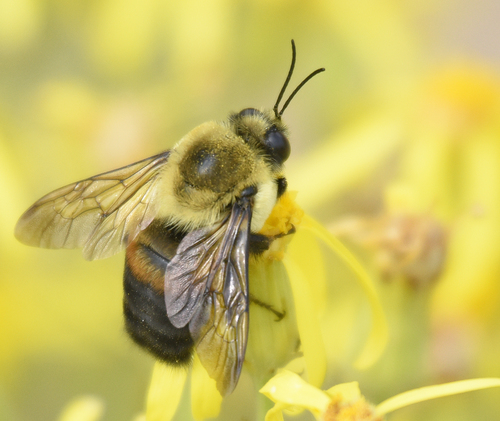
New York, US
Hier kann man sehen Brown-Belted Bumble Bee und östliches Grauhörnchen.
Führer anzeigen →
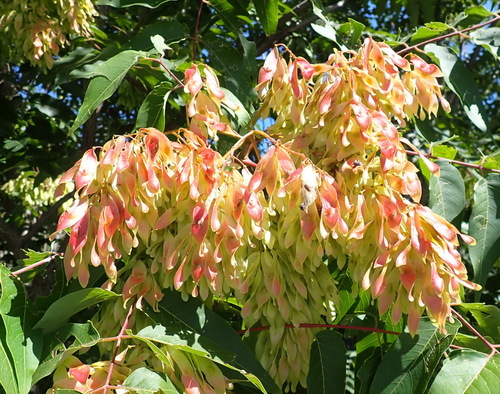
New York, US
Hier kann man sehen Tree-Of-Heaven, Spotted Lanternfly und Felsentaube.
Führer anzeigen →

Pennsylvania, US
Hier kann man sehen Wanderdrossel und Kentucky Yellowwood.
Führer anzeigen →

Connecticut, US
Hier kann man sehen Monarch, Common Milkweed und Common Blue Violet.
Führer anzeigen →




_(33030160105).png&width=800)








