


Eastern Cottonwood
Populus deltoides
The Eastern Cottonwood is a tall tree with big, heart-shaped leaves that flutter in the wind. It grows near rivers and loves sunny places, making it a great home for many birds and animals.
Lebensraum: Wetlands
The Eastern Cottonwood has broad, triangular leaves that shimmer and clap in the wind, turning bright yellow in autumn. Its bark is smooth and greenish-gray when young, becoming deeply furrowed and dark gray with age. Fuzzy, cotton-like seeds disperse widely from its female trees.
Kategorie
PflanzenSeltenheit
Common
Gefahr
1/5 · Sehr gering
Snaps
Mach den ersten Snap!
Beavers love to eat its bark and twigs, often using its wood for their dams and lodges!
It's one of the fastest-growing native hardwood trees in North America!
Its leaves famously create a distinctive rustling sound that Native Americans called 'the speaking tree'!
The inner bark was traditionally chewed for pain relief, acting like nature's aspirin!
Eastern Cottonwood can grow incredibly fast, sometimes over 3 feet a year, to quickly dominate open spaces.
Eastern Cottonwood has fluffy, wind-dispersed seeds that float like tiny parachutes to colonize new areas.
Eastern Cottonwood can grow deep, extensive roots that anchor it firmly and find water in riparian zones.
Castor canadensis
eats bark, twigs, and leaves
Odocoileus virginianus
browses twigs and leaves
Sciurus carolinensis
nests in cavities and branches
Icterus galbula
builds hanging nests
Laubabwerfende Pflanzen werfen regelmäßig all ihre Blätter ab, typischerweise im Herbst oder in Trockenzeiten.
Laubbäume sind Bedecktsamer, die sich durch flache, breite Blätter auszeichnen, welche in gemäßigten Klimazonen typischerweise jährlich abgeworfen werden.
Nutzholz bezeichnet Holz, das für die Verwendung im Bauwesen und in der Zimmerei aufbereitet wurde.
Schnellwachsende Pflanzen weisen eine beschleunigte Wachstumsrate auf und nehmen innerhalb kurzer Zeit schnell an Größe und Biomasse zu.

Dieses Lebensraummerkmal kennzeichnet Arten, die in Feuchtgebieten vorkommen. Dies sind Landflächen, die dauerhaft oder saisonal mit Wasser gesättigt sind, darunter Marschland, Sümpfe und Moore.

Beschreibt Organismen, die Pollen übertragen und so die Befruchtung und Fortpflanzung von Pflanzen ermöglichen.
Noch keine Alternativnamen vorhanden.
Gefahr
1/5 · Sehr gering
Stay away from the tree's branches and watch for falling leaves.
2000-3500 cm
1500-2500 cm
5-12 cm
Frühling
Ja
Keine
Mehrjährig
Wind
Zoome hinein, um Cluster aufzulösen und zu sehen, wo dieses Objekt fotografiert wurde.
Neueste Snaps erscheinen hier, wenn neue Beobachtungen hinzukommen.

New York, US
Hier kann man sehen Ringschnabelmöwe, Kanadagans und Rough Cocklebur.
Führer anzeigen →

Quebec, CA
Hier kann man sehen östliches Grauhörnchen, Ente und Waldmurmeltier.
Führer anzeigen →
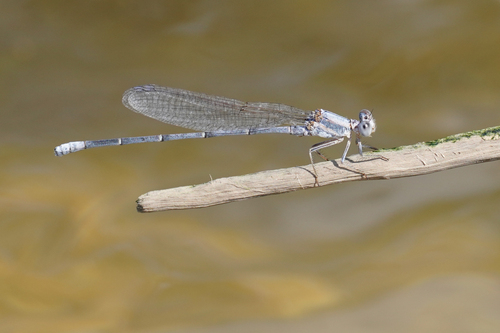
Texas, US
Hier kann man sehen Powdered Dancer und Glassy-Winged Sharpshooter.
Führer anzeigen →

Illinois, US
Hier kann man sehen Pond Slider, Virginia Bluebells und Kanadagans.
Führer anzeigen →

Illinois, US
Hier kann man sehen Kanadagans, Ringschnabelmöwe und Rotschulterstärling.
Führer anzeigen →
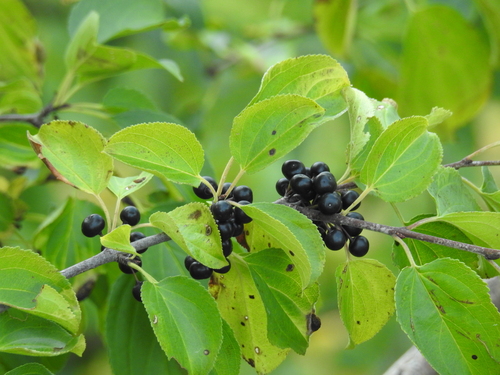
Michigan, US
Hier kann man sehen Common Buckthorn, False Indigo Bush und Honey Locusts.
Führer anzeigen →