
.jpg&width=800)





Eastern Tent Caterpillar Moth
Malacosoma americana
The Eastern Tent Caterpillar Moth is a fluffy, colorful moth that comes out in spring. It starts its life as a caterpillar that lives in big, cozy tents made of silk in trees.
Lebensraum: Forests
The Eastern Tent Caterpillar Moth is a medium-sized moth, usually reddish-brown or yellowish-brown with two distinct, pale, oblique lines across each forewing. Its body is stout and covered in dense, soft hairs, giving it a fuzzy appearance. Females are generally larger than males.
Kategorie
InsektenSeltenheit
Common
Gefahr
1/5 · Sehr gering
Snaps
Mach den ersten Snap!
Adult Eastern Tent Caterpillar Moths don't eat at all; they live off energy stored as caterpillars!
Baby caterpillars spend the entire winter safely tucked inside their eggs, waiting for spring!
Caterpillars follow special silk trails they create to navigate and find food, like a secret map!
Female moths lay hundreds of eggs in a sticky, foamy mass that protects them like a tiny shield.
Eastern Tent Caterpillar Moths can release invisible chemical signals, called pheromones, to attract mates over long distances in the dark.
Eastern Tent Caterpillars can produce strong silk to build protective communal tents, helping them stay warm and safe from predators.
Their silk tents have specific entrances that Eastern Tent Caterpillars use to control their body temperature by basking or cooling off.
Adult moths do not eat; the caterpillars are herbivores, feasting on the leaves of trees!
Altersunterschiede: Caterpillars eat tree leaves, but adult moths do not feed, relying on energy reserves.
Prunus serotina
Caterpillars feed on leaves.
Cyanocitta cristata
Birds prey on caterpillars.
Cotesia congregata
Larvae develop inside caterpillars.
Myotis lucifugus
Bats hunt adult moths.
Pelzig beschreibt Tiere, die eine dichte Schicht aus weichen Haaren oder Fell besitzen.
Einzelgänger leben den größten Teil ihres Lebens allein und interagieren mit Artgenossen nur zur Paarung oder zur Aufzucht der Jungen.
Dieses Merkmal kennzeichnet Organismen, die kunstvolle Seidennetze bauen, um Beute zu fangen, Schutz zu finden oder sich fortzupflanzen.
Farbenfroh beschreibt Organismen oder Objekte, die eine große Vielfalt an leuchtenden und deutlich erkennbaren Farben aufweisen.

Dieses Merkmal kennzeichnet Lebewesen, deren Ernährung vollständig oder hauptsächlich aus pflanzlichem Material besteht.

Waldlebensräume sind terrestrische Lebensräume, die von dichtem Baumbestand dominiert werden und eine große Vielfalt an Pflanzen- und Tierarten beherbergen.

Beschreibt eine Art, deren Anwesenheit und Rolle einen unverhältnismäßig großen Einfluss auf ihre Umwelt haben.

Tagaktive Tiere sind hauptsächlich bei Tageslicht aktiv und ruhen oder schlafen in der Regel nachts.

Beschreibt Organismen, die Pollen übertragen und so die Befruchtung und Fortpflanzung von Pflanzen ermöglichen.
Noch keine Alternativnamen vorhanden.
Gefahr
1/5 · Sehr gering
Don't touch caterpillars or moths without asking an adult, as some can be hairy or have chemicals that irritate skin.
35-55 mm
25-45 mm
7-10 Tage
5 km/h
Adult moths do not eat; the caterpillars are herbivores, feasting on the leaves of trees!
Forests
Foraging
6
Zoome hinein, um Cluster aufzulösen und zu sehen, wo dieses Objekt fotografiert wurde.
Neueste Snaps erscheinen hier, wenn neue Beobachtungen hinzukommen.
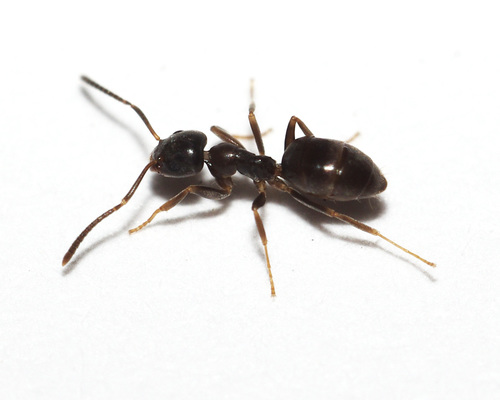
Virginia, US
Hier kann man sehen Duftende Hausameise und Willow Leaf Beetle.
Führer anzeigen →
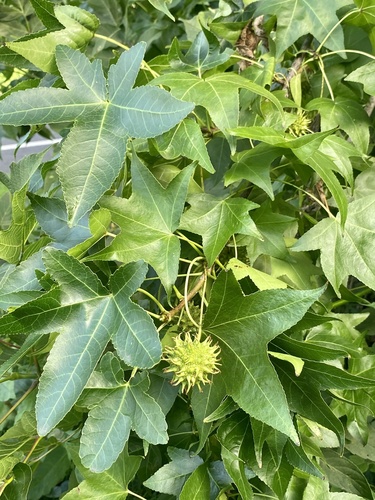
District of Columbia, US
Hier kann man sehen Amerikanischer Amberbaum und Amur Honeysuckle.
Führer anzeigen →
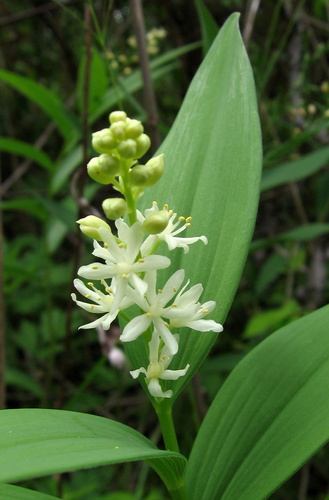
Michigan, US
Hier kann man sehen Star-Flowered Lily-Of-The-Valley und Common Silverweed.
Führer anzeigen →
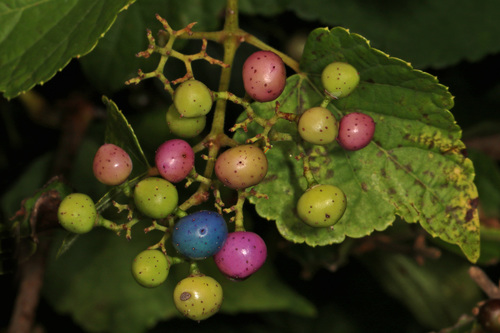
New York, US
Hier kann man sehen Porcelain Berry und Common Mugwort.
Führer anzeigen →

Wisconsin, US
Hier kann man sehen Partridgeberry, Bluebead Lily und Cinnamon Fern.
Führer anzeigen →

New York, US
Hier kann man sehen Common Mugwort, Snow Goose × Brant und Spotted Lanternfly.
Führer anzeigen →











