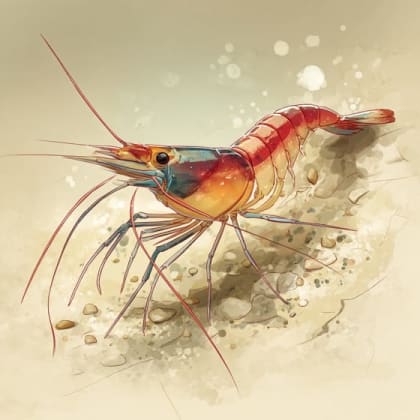
Eccentric Sand Dollar
dendraster excentricus
The Eccentric Sand Dollar has a unique star-shaped pattern on its shell that looks like a beautiful design! Kids love to find these treasures on the beach and learn about the ocean's secrets!
Lebensraum: Sandy ocean floors along the Pacific Coast
The Eccentric Sand Dollar is a flattened, disc-shaped echinoderm, typically grey to purple-brown. Its distinctive five-petal flower pattern is located off-center, making it visually unique among other sand dollar species.
Kategorie
InvertebrateSeltenheit
Common
Gefahr
0/5 · Keine bekannte Gefahr
Snaps
Mach den ersten Snap!
A sand dollar's hard skeleton is called a 'test' – like a tiny suit of armor!
Sometimes, their 'flower' pattern looks like a dove when held to the light!
They can gather up to 60,000 tiny grains of sand to help them stay anchored!
They use microscopic hairs called cilia to move collected food towards their mouth!
Eccentric Sand Dollar can quickly burrow into the sand using its short spines and tube feet, which helps them hide from predators.
Eccentric Sand Dollar has tiny hairs called cilia on its spines that help them collect small food particles from the water column.
Eccentric Sand Dollar can use its spines and tube feet to flip itself over quickly if it gets overturned by ocean currents.
These marine invertebrates filter tiny bits of food from the water and sand to eat.
Altersunterschiede: null

Pycnopodia helianthoides
A major predator of adult sand dollars in the Pacific Ocean.

Cancer magister
Crabs can crush their hard 'tests' to consume the soft tissue inside.
Engraulis mordax
Larval sand dollars are a common food source for small plankton-eating fish.
Einzelgänger leben den größten Teil ihres Lebens allein und interagieren mit Artgenossen nur zur Paarung oder zur Aufzucht der Jungen.
Farbenfroh beschreibt Organismen oder Objekte, die eine große Vielfalt an leuchtenden und deutlich erkennbaren Farben aufweisen.
Filtrierer nehmen Nährstoffe auf, indem sie schwebende Nahrungspartikel und kleine Organismen aus dem Wasser filtern.
Küstenlebensräume sind dynamische Umgebungen an der Schnittstelle zwischen Land und Meer, die von Gezeiten, Wellen und Salzwasser geprägt sind.

Marine Lebensräume umfassen alle Salzwasserumgebungen der Ozeane der Erde und beherbergen eine immense Vielfalt an Wasserlebewesen.
Gefahr
0/5 · Keine bekannte Gefahr
Noch keine besonderen Sicherheitshinweise.
7.5 cm
10 Jahre
These marine invertebrates filter tiny bits of food from the water and sand to eat.
Sandy ocean floors along the Pacific Coast
Filter Feeding
1 cm
Zoome hinein, um Cluster aufzulösen und zu sehen, wo dieses Objekt fotografiert wurde.
Neueste Snaps erscheinen hier, wenn neue Beobachtungen hinzukommen.
.jpg)
California, US
Hier kann man sehen Long-Billed Curlew, Snowy Plover und Sanderling.
Führer anzeigen →
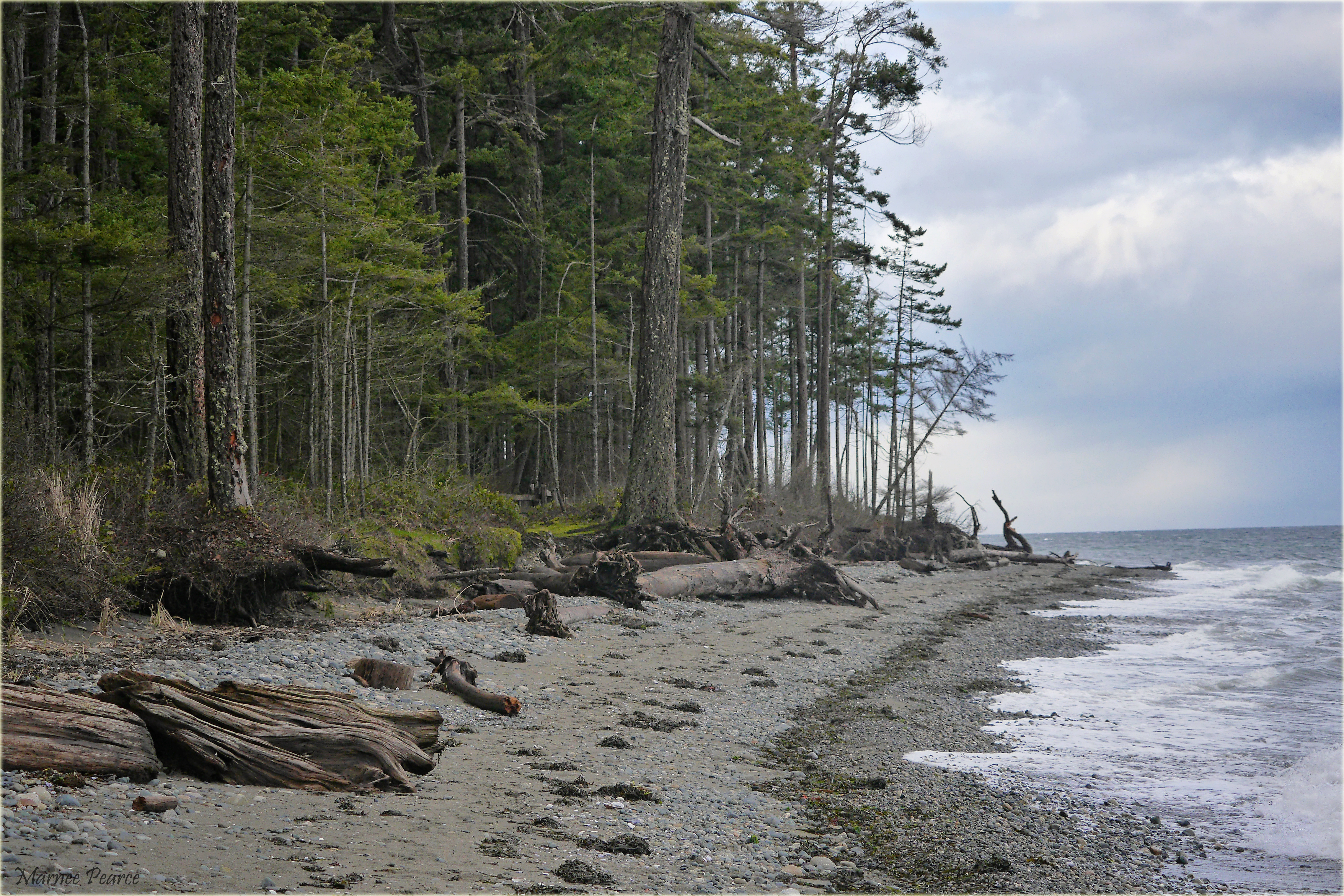
British Columbia, CA
Hier kann man sehen Wildkaninchen, Yellow Shore Crab und Nootka Rose.
Führer anzeigen →