

field locoweed
Oxytropis campestris
Field locoweed is a pretty plant with small purple flowers that grow in fields and grasslands. It has fuzzy leaves and can be found in many places across North America.
Lebensraum: Grasslands
The field locoweed is a low-growing, clumping plant with silvery-hairy, fern-like leaves. It produces pea-shaped flowers, typically purplish-blue or white, grouped tightly on leafless stalks, making it stand out from typical grasses.
Kategorie
PflanzenSeltenheit
Common
Gefahr
2/5 · Gering
Snaps
Mach den ersten Snap!
Eating too much locoweed makes animals "loco" or crazy, causing strange behaviors!
Its seeds are tough cookies and can stay dormant in the soil for many years before sprouting!
Some people call it "rattlepod" because its dried seed pods sometimes make a fun rattling sound!
The plant's fuzzy leaves act like tiny sunshades and sponges, helping it save precious water!
Field locoweed can thrive in rocky, dry soils, helping it survive where many other plants struggle to grow.
It has a very long taproot that helps it reach deep groundwater, surviving long periods of drought.
This plant partners with soil bacteria to pull nitrogen from the air, enriching the soil for itself and its neighbors.
Bombus occidentalis
Visits the flowers to collect nectar and spread pollen.
Rhizobium leguminosarum
Lives in root nodules, converting air nitrogen into plant food.

Bos taurus
Can be poisoned if they consume large quantities of the plant.
Pelzig beschreibt Tiere, die eine dichte Schicht aus weichen Haaren oder Fell besitzen.
Blütenpflanzen sind alle Pflanzen, die als Teil ihres Fortpflanzungszyklus Blüten bilden.
Beschreibt Organismen, die in der Lage sind, atmosphärischen Stickstoff in für Pflanzen nutzbare Verbindungen umzuwandeln.
Essbare Pflanzen sind diejenigen Pflanzenteile, die für den menschlichen Verzehr als unbedenklich gelten.

Grasland-Lebensräume sind terrestrische Biome, die von Gräsern und krautigen Pflanzen dominiert werden und einer Vielzahl von Weidetieren als Lebensraum dienen.

Beschreibt Organismen, die Pollen übertragen und so die Befruchtung und Fortpflanzung von Pflanzen ermöglichen.
Noch keine Alternativnamen vorhanden.
Gefahr
2/5 · Gering
Do not touch or eat any plants without asking an adult first.
10-40 cm
15-30 cm
1-2 cm
Late spring to summer
Nein
Hoch
Mehrjährig
Insekten
Zoome hinein, um Cluster aufzulösen und zu sehen, wo dieses Objekt fotografiert wurde.
Neueste Snaps erscheinen hier, wenn neue Beobachtungen hinzukommen.

British Columbia, CA
Hier kann man sehen Douglasie, Silverleaf Phacelia und Rocky Mountain Maple.
Führer anzeigen →
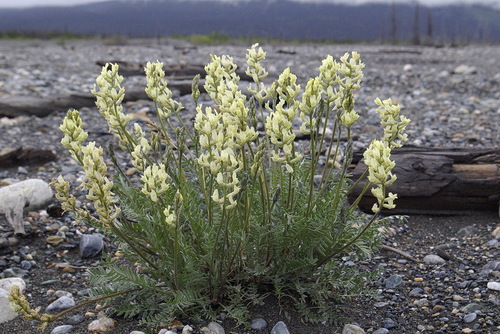
British Columbia, CA
Hier kann man sehen Field Locoweed, Silky Lupine und Wax Currant.
Führer anzeigen →