
.jpg&width=800)





Fir Tussock Moth
Orgyia detrita
The Fir Tussock Moth is a fuzzy little insect that loves to munch on fir trees. Its soft, hairy body helps it blend in with its surroundings, making it hard to spot!
Lebensraum: Forests
The Fir Tussock Moth male is brownish-gray with distinctive feathery antennae and faint darker markings on its forewings. The female is strikingly different; she is wingless, plump, and has a pale grayish-yellow body covered in short hairs.
Kategorie
InsektenSeltenheit
Common
Gefahr
2/5 · Gering
Snaps
Mach den ersten Snap!
Caterpillars love to munch on needles from fir, spruce, and pine trees to grow!
Male moths fly, but female moths are wingless and stay near their cocoons!
Their cocoons are often camouflaged with the caterpillar's own spiky, irritating hairs.
Touching this caterpillar's fuzzy hairs can cause an itchy rash on your skin!
Fir Tussock Moth larvae have fuzzy hairs that can irritate skin, protecting them from hungry birds.
Fir Tussock Moth males have large feathery antennae that help them sniff out a female's scent from far away.
Fir Tussock Moth larvae spin cocoons blended with their own spiky hairs, helping them hide from predators.
The female Fir Tussock Moth has no wings, so she crawls to find a mate, laying eggs nearby.
Young Fir Tussock Moths are herbivores, munching on tree needles to grow big and strong.
Altersunterschiede: Adult moths do not feed, focusing solely on reproduction. Larvae (caterpillars) are the primary feeders.
Abies balsamea
Caterpillars feed on its needles, sometimes causing significant defoliation.
Picea glauca
A primary food source for the caterpillar stage of the moth.
Cyanocitta cristata
Birds, including jays, are known predators of the larvae and pupae.
Brachymeria intermedia
This wasp lays eggs inside tussock moth pupae, killing the host.
Pelzig beschreibt Tiere, die eine dichte Schicht aus weichen Haaren oder Fell besitzen.
Einzelgänger leben den größten Teil ihres Lebens allein und interagieren mit Artgenossen nur zur Paarung oder zur Aufzucht der Jungen.
Getarnt beschreibt Organismen, die über eine Färbung oder Musterung verfügen, durch die sie mit ihrer Umgebung verschmelzen.
Dieses Merkmal kennzeichnet Lebewesen, deren Ernährung vollständig oder hauptsächlich aus pflanzlichem Material besteht.

Waldlebensräume sind terrestrische Lebensräume, die von dichtem Baumbestand dominiert werden und eine große Vielfalt an Pflanzen- und Tierarten beherbergen.

Nachtaktive Tiere sind hauptsächlich in den Nachtstunden aktiv und ruhen oder schlafen normalerweise tagsüber.
Noch keine Alternativnamen vorhanden.
Gefahr
2/5 · Gering
Don't touch moths or caterpillars without asking an adult, as some can be prickly or have chemicals that irritate the skin.
25-30 mm
10-20 mm
7-10 Tage
Young Fir Tussock Moths are herbivores, munching on tree needles to grow big and strong.
Forests
Foraging
6
Zoome hinein, um Cluster aufzulösen und zu sehen, wo dieses Objekt fotografiert wurde.
Neueste Snaps erscheinen hier, wenn neue Beobachtungen hinzukommen.
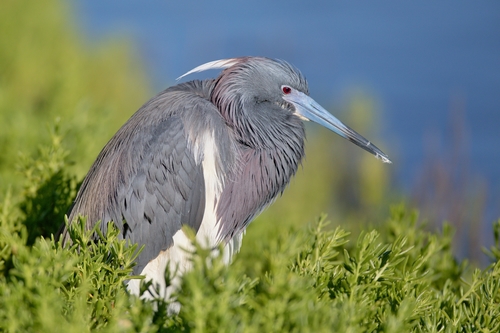
Florida, US
Hier kann man sehen Tricolored Heron, Roseate Spoonbill und Wood Stork.
Führer anzeigen →
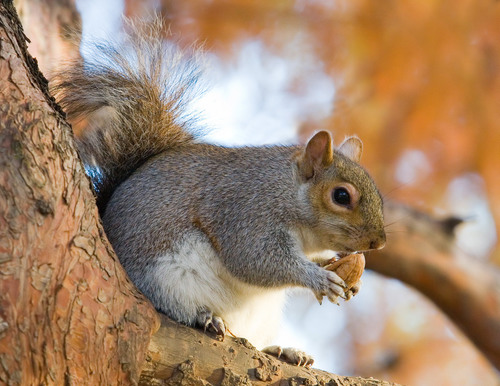
Florida, US
Hier kann man sehen östliches Grauhörnchen und Southern Live Oak.
Führer anzeigen →
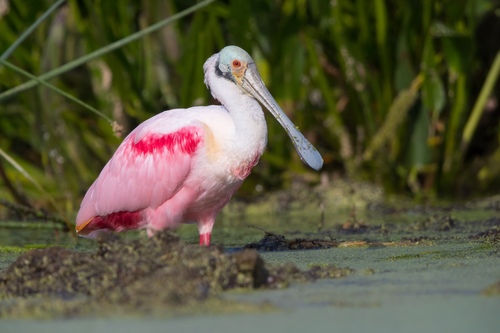
Florida, US
Hier kann man sehen Roseate Spoonbill, Tricolored Heron und Great Egret.
Führer anzeigen →














