Fleabanes And Horseweeds
erigeron
Fleabanes and horseweeds are cheerful little plants that bring color to gardens and fields! They have delicate flowers that dance in the breeze, attracting buzzing bees and fluttering butterflies.
Lebensraum: Fleabanes and horseweeds thrive in sunny fields, meadows, and along roadsides.
The Fleabanes And Horseweeds has small, daisy-like flowers with many slender ray petals, often white, pink, or purple, surrounding a yellow center. Its leaves vary from broad to very narrow, sometimes hairy, along generally upright stems, visually distinct from plants with fewer or broader petals.
Kategorie
PflanzenSeltenheit
Common
Gefahr
0/5 · Keine bekannte Gefahr
Snaps
Mach den ersten Snap!
Fleabanes earned their name because people once believed they could actually repel fleas!
Look closely! Each fleabane 'flower' is actually a dense cluster of many individual tiny blossoms!
Some horseweeds can grow taller than a basketball hoop in just one single growing season!
They are known as 'pioneer plants' because they are often the first to sprout in new or empty ground!
Fleabanes And Horseweeds produce lightweight, parachute-like seeds that catch the wind for long-distance dispersal.
These plants can quickly colonize bare or disturbed soils, allowing them to thrive in harsh, open environments.
Their numerous small flowers provide accessible nectar and pollen, attracting a wide variety of tiny insects.
Apis mellifera
flowers provide vital nectar and pollen for foraging.
Bombus impatiens
actively visits flowers, helping transfer pollen.
Schistocerca americana
leaves and stems can be a food source for herbivores.
Farbenfroh beschreibt Organismen oder Objekte, die eine große Vielfalt an leuchtenden und deutlich erkennbaren Farben aufweisen.
Grasland-Lebensräume sind terrestrische Biome, die von Gräsern und krautigen Pflanzen dominiert werden und einer Vielzahl von Weidetieren als Lebensraum dienen.
Dieses Merkmal kennzeichnet Lebewesen, deren Ernährung vollständig oder hauptsächlich aus pflanzlichem Material besteht.
Tagaktive Tiere sind hauptsächlich bei Tageslicht aktiv und ruhen oder schlafen in der Regel nachts.

Beschreibt Organismen, die Pollen übertragen und so die Befruchtung und Fortpflanzung von Pflanzen ermöglichen.
Gefahr
0/5 · Keine bekannte Gefahr
Noch keine besonderen Sicherheitshinweise.
15-200 cm
15-60 cm
0.5-2.5 cm
Late Spring to Fall
Nein
Keine
Mehrjährig
Insekten
Zoome hinein, um Cluster aufzulösen und zu sehen, wo dieses Objekt fotografiert wurde.
Neueste Snaps erscheinen hier, wenn neue Beobachtungen hinzukommen.
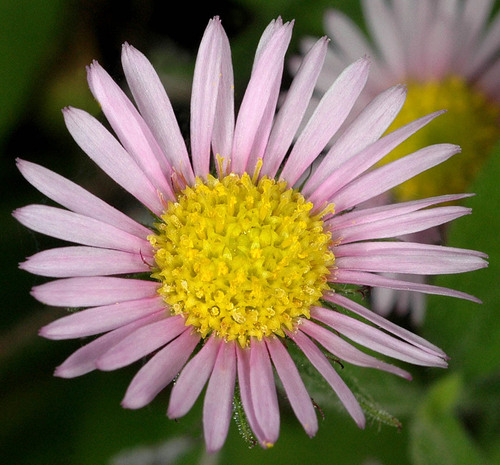
Pennsylvania, US
Hier kann man sehen Fleabanes and Horseweeds und Honey Locust.
Führer anzeigen →
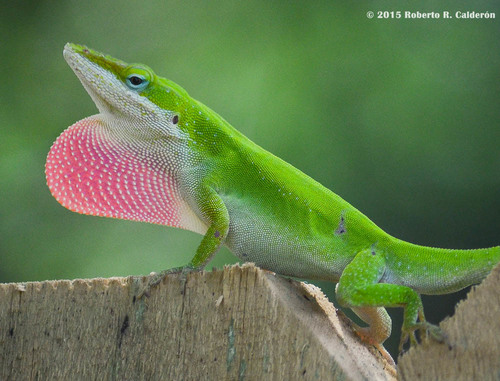
California, US
Hier kann man sehen Anolis, Chinese Privet und Warzenente.
Führer anzeigen →
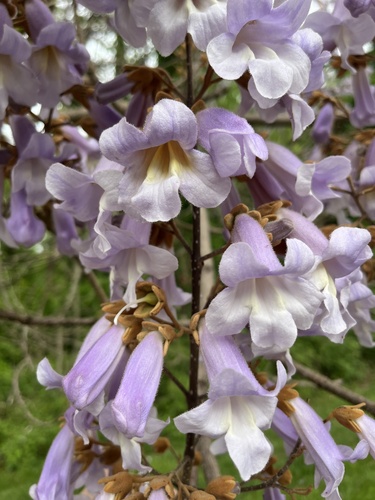
Pennsylvania, US
Hier kann man sehen Paulownia, Asiatischer Marienkäfer und Spotted Lanternfly.
Führer anzeigen →