.JPG&width=800)





Flies
Diptera
Flies are tiny insects that buzz around and can be found almost everywhere! They have big eyes and can fly really fast, making them fun to watch.
Lebensraum: Flies can be found in many places including gardens, forests, and near water sources.
The Flies has a diverse appearance, typically featuring a head with large compound eyes, a segmented body, and a single pair of functional wings. They often have delicate, sometimes iridescent, or hairy bodies, and six jointed legs. Their unique two wings (plus two tiny balancing organs) makes them visually distinct from most other insects.
Kategorie
InsektenSeltenheit
Common
Gefahr
1/5 · Sehr gering
Snaps
Mach den ersten Snap!
Even though they have excellent eyesight, flies can't see the color red very well!
Flies use their special, tiny club-shaped organs, called halteres, for balancing during flight!
Some flies, like hoverflies, cleverly mimic bees or wasps to scare predators!
The tiny larvae of many flies, called maggots, are super decomposers, cleaning up nature!
Flies can perform incredible aerial maneuvers because of their powerful flight muscles and unique balancing organs called halteres.
Flies has large compound eyes that help them see almost 360 degrees around, making it very hard to sneak up on them.
Flies can walk on walls and ceilings because of tiny hairs and special pads on their feet that create suction and grip.
Flies can taste their food by walking on it because they have taste receptors on their feet, much like our tongues.
Flies have incredibly varied diets, from nectar to decaying matter to blood!
Altersunterschiede: Larvae often eat decaying matter or plant roots, while adults feed on nectar or blood.
Hirundo rustica
Swallows are agile insect hunters.
Aranaeus diadematus
Spiders often trap flies in webs.
.jpg&width=800)
Aster novae-angliae
Many fly species visit flowers for nectar.
Soziale Tiere leben in organisierten Gruppen und kooperieren, um ihr Überleben zu sichern, beispielsweise bei der Nahrungssuche, Verteidigung und Aufzucht der Jungen.
Farbenfroh beschreibt Organismen oder Objekte, die eine große Vielfalt an leuchtenden und deutlich erkennbaren Farben aufweisen.
Beschreibt Organismen, die totes organisches Material abbauen und Nährstoffe in das Ökosystem zurückführen.
Tagaktive Tiere sind hauptsächlich bei Tageslicht aktiv und ruhen oder schlafen in der Regel nachts.

Beschreibt Organismen, die Pollen übertragen und so die Befruchtung und Fortpflanzung von Pflanzen ermöglichen.
Gefahr
1/5 · Sehr gering
Noch keine besonderen Sicherheitshinweise.
1-150 mm
0.5-100 mm
7-90 Tage
8 km/h
Flies have incredibly varied diets, from nectar to decaying matter to blood!
Flies can be found in many places including gardens, forests, and near water sources.
Foraging
6
Zoome hinein, um Cluster aufzulösen und zu sehen, wo dieses Objekt fotografiert wurde.
Neueste Snaps erscheinen hier, wenn neue Beobachtungen hinzukommen.
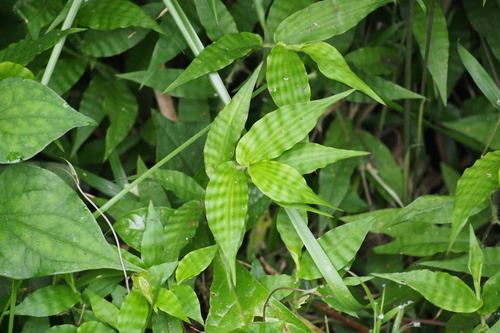
Virginia, US
Hier kann man sehen Wavyleaf Basketgrass, Asian Jumpseed und Dekay's Brownsnake.
Führer anzeigen →
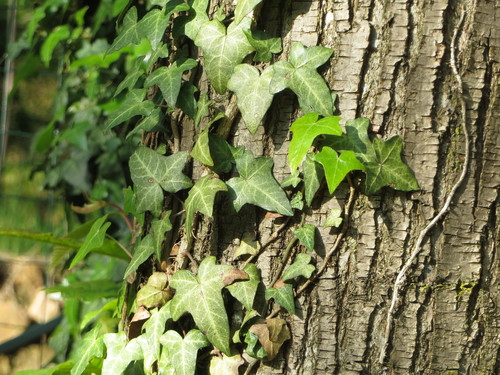
Oregon, US
Hier kann man sehen Ivy, Plums, Cherries, and Allies und Tree-Of-Heaven.
Führer anzeigen →









.jpg&width=800)