






Florida Airplant
tillandsia × floridana
The Florida Airplant is a unique plant that doesn't need soil to grow! It gets all its nutrients and water from the air and rain.
Lebensraum: Florida's coastal areas and forests, often seen hanging from trees.
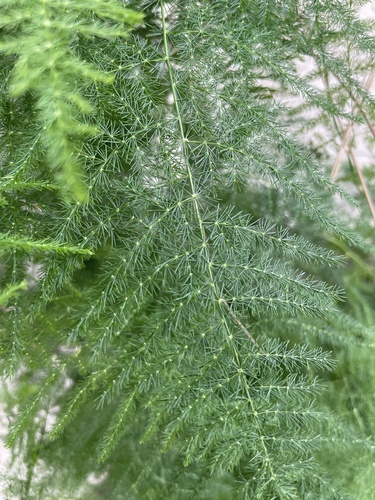
The Florida Airplant is a small, silvery-green plant forming a compact rosette. Its leaves are covered in tiny, fuzzy scales called trichomes, giving it a soft, greyish appearance that distinguishes it from other smooth-leafed plants. It can sometimes develop a reddish blush when stressed or blooming.
Kategorie
PflanzenSeltenheit
Common
Gefahr
0/5 · Keine bekannte Gefahr
Snaps
Mach den ersten Snap!
Did you know airplants are technically part of the pineapple family? They're very distant cousins!
Some tiny creatures, like frogs and insects, use airplants as mini hideouts in the jungle canopy!
Unlike most plants, airplants don't use their roots to drink water; their roots are just sticky anchors!
When an airplant blooms, it often makes baby airplants, called 'pups,' that grow right from its base!
Florida Airplant has special fuzzy scales called trichomes that help it absorb water and nutrients directly from humid air and rain, without needing soil.
Florida Airplant can grow perched high on tree branches, using tiny roots only for gripping, allowing it to reach sunlight away from ground-dwelling predators.
Florida Airplant can perform CAM photosynthesis, opening its pores at night to collect carbon dioxide, which drastically reduces water loss during hot, sunny days.

Archilochus colubris
Visits flowers for nectar.
Apis mellifera
Collects pollen and nectar.
Hyla cinerea
Hides within the plant's rosette.
Metamasius callizona
Larvae feed on the plant.
Baumbewohnende Tiere leben hauptsächlich in Bäumen und nutzen diese als Unterschlupf, Nahrungsquelle und zum Schutz vor Raubtieren.
Farbenfroh beschreibt Organismen oder Objekte, die eine große Vielfalt an leuchtenden und deutlich erkennbaren Farben aufweisen.
Küstenlebensräume sind dynamische Umgebungen an der Schnittstelle zwischen Land und Meer, die von Gezeiten, Wellen und Salzwasser geprägt sind.
Tagaktive Tiere sind hauptsächlich bei Tageslicht aktiv und ruhen oder schlafen in der Regel nachts.

Der Status 'Stark gefährdet' bedeutet, dass eine Art in naher Zukunft einem sehr hohen Risiko ausgesetzt ist, in freier Wildbahn auszusterben.
Gefahr
0/5 · Keine bekannte Gefahr
Noch keine besonderen Sicherheitshinweise.
10-30 cm
10-30 cm
0.5-1.5 cm
Spring-summer
Nein
Keine
Mehrjährig
Vögel
Zoome hinein, um Cluster aufzulösen und zu sehen, wo dieses Objekt fotografiert wurde.
Neueste Snaps erscheinen hier, wenn neue Beobachtungen hinzukommen.












.jpg&width=800)



