






gaultheria leafminer moth
Cameraria gaultheriella
The gaultheria leafminer moth is a tiny insect that loves to munch on leaves. It makes little tunnels inside leaves, which can look like tiny mazes. These moths are special because they help show how plants are doing!
Lebensraum: Forests
The gaultheria leafminer moth is a tiny insect, featuring shiny, silvery-white forewings patterned with distinct dark brown or blackish bands and spots. Its delicate wings often have long fringes along the edges. It is easily recognized by these specific, intricate wing markings.
Kategorie
InsektenSeltenheit
Common
Gefahr
1/5 · Sehr gering
Snaps
Mach den ersten Snap!
Even though they eat leaves, they usually don't hurt the big salal plant too much!
Its tiny babies eat and grow *inside* a leaf, staying hidden from hungry birds!
The 'art' on a salal leaf, like a squiggly line, is actually a tunnel made by this moth's larva.
These moths are so small, you might think they're just tiny flecks of dust flying around!
Gaultheria leafminer moth larvae can live and eat entirely inside a leaf because their flattened bodies help them tunnel safely between leaf layers.
This moth has a special ability to find specific salal plants (Gaultheria shallon) because its offspring can only survive eating these leaves.
The moth's caterpillar creates a 'tentiform' mine, lifting the leaf surface to form a protective hideaway that helps it stay safe from predators.
Young moths munch on salal leaves from the inside, while adult moths usually don't eat much.
Altersunterschiede: Larvae eat plant tissue inside leaves; adults primarily focus on reproduction and rarely feed.

Gaultheria shallon
Larvae develop by eating the leaves of this specific plant.
Poecile atricapillus
Chickadees forage for leafminer larvae inside leaves.
Sympiesis marylandensis
The wasp lays eggs on the larva, which it then consumes.
Einzelgänger leben den größten Teil ihres Lebens allein und interagieren mit Artgenossen nur zur Paarung oder zur Aufzucht der Jungen.
Dieses Merkmal kennzeichnet Lebewesen, deren Ernährung vollständig oder hauptsächlich aus pflanzlichem Material besteht.
Waldlebensräume sind terrestrische Lebensräume, die von dichtem Baumbestand dominiert werden und eine große Vielfalt an Pflanzen- und Tierarten beherbergen.
Beschreibt Organismen, die totes organisches Material abbauen und Nährstoffe in das Ökosystem zurückführen.

Bezieht sich auf Arten, die deutlich kleiner sind als der Durchschnitt oder das Typische ihrer Art.

Tagaktive Tiere sind hauptsächlich bei Tageslicht aktiv und ruhen oder schlafen in der Regel nachts.

Beschreibt Organismen, die Pollen übertragen und so die Befruchtung und Fortpflanzung von Pflanzen ermöglichen.
Noch keine Alternativnamen vorhanden.
Gefahr
1/5 · Sehr gering
Always look but don't touch insects, as some can be delicate.
5-8 mm
2-4 mm
7-14 Tage
Young moths munch on salal leaves from the inside, while adult moths usually don't eat much.
Forests
6
Zoome hinein, um Cluster aufzulösen und zu sehen, wo dieses Objekt fotografiert wurde.
Neueste Snaps erscheinen hier, wenn neue Beobachtungen hinzukommen.

British Columbia, CA
Hier kann man sehen Broad-Leaved Stonecrop, Salal und Pacific Sanicle.
Führer anzeigen →

British Columbia, CA
Hier kann man sehen Bananenschnecke, Arctic Butterbur und Coastal Brookfoam.
Führer anzeigen →
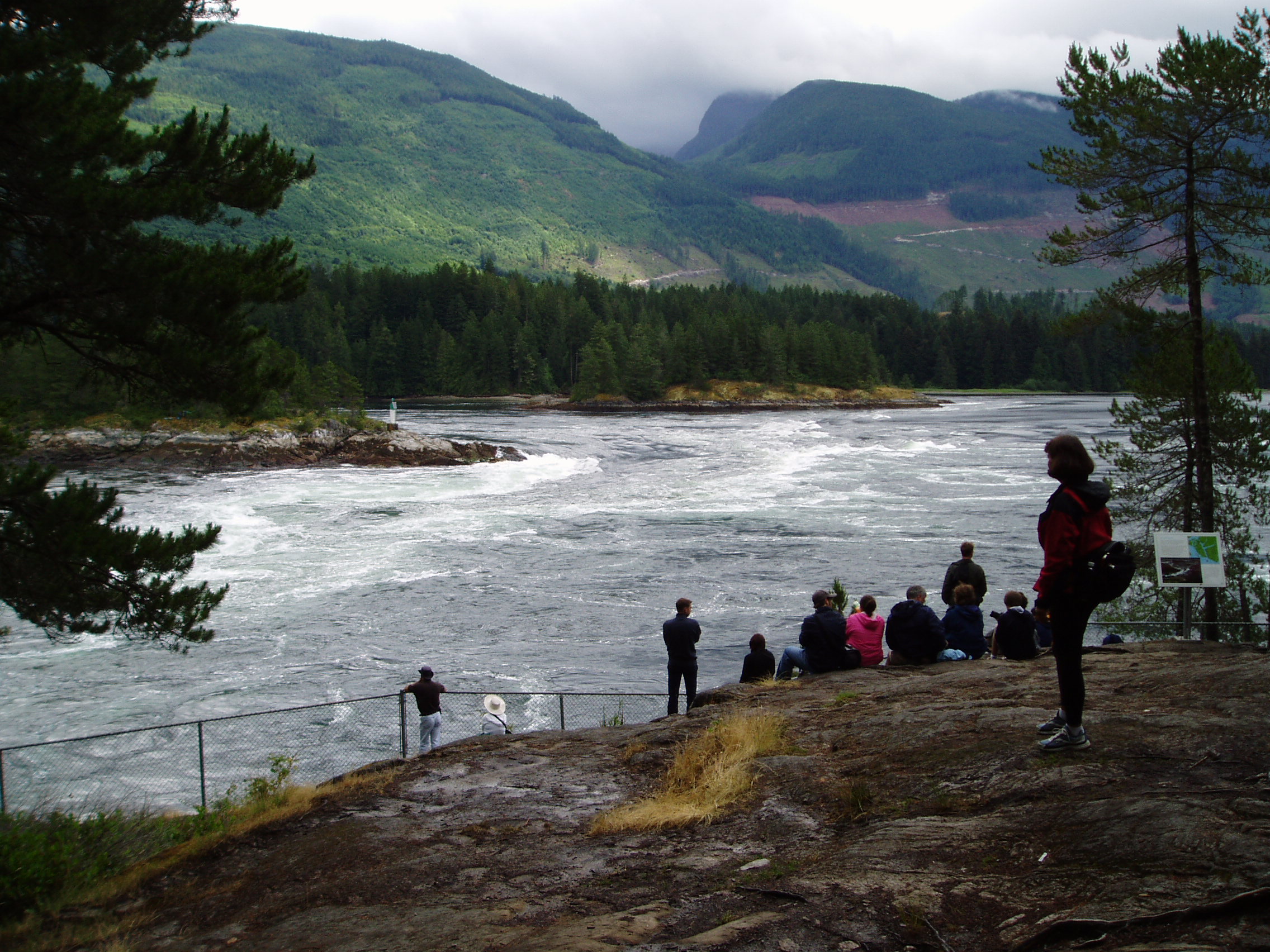
British Columbia, CA
Hier kann man sehen Ochre Sea Star, Aggregating Anemone und Western Starflower.
Führer anzeigen →

British Columbia, CA
Hier kann man sehen Salal, Evergreen Huckleberry und Douglasie.
Führer anzeigen →
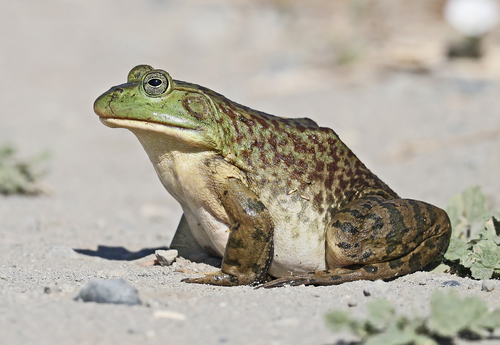
British Columbia, CA
Hier kann man sehen Nordamerikanischer Ochsenfrosch und Salal.
Führer anzeigen →
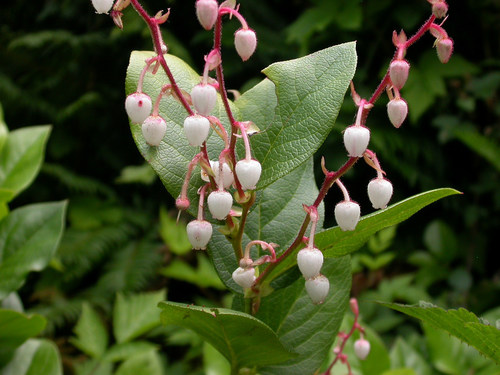
British Columbia, CA
Hier kann man sehen Salal, Small Ground-Cone und Evergreen Huckleberry.
Führer anzeigen →











_I.jpg&width=800)

