_female_with_baby.jpg&width=800)





Gelada
Theropithecus gelada
Geladas are unique monkeys that live in the mountains of Ethiopia. They are known for their beautiful, long hair and their special way of sitting, which looks like they are always relaxing!
Lebensraum: Mountain regions
The Gelada is a large, terrestrial monkey with shaggy, golden-brown fur and a distinctive bare, red, hourglass-shaped patch on its chest. Males boast a long, flowing mane around their shoulders, making them visually different from other baboons. They have dark faces and light eyelids.
Kategorie
SäugetiereSeltenheit
Common
Gefahr
2/5 · Gering
Snaps
Mach den ersten Snap!
Baby Geladas cling to their mother's back, riding along as she forages for food!
Geladas sleep clinging to steep cliff faces at night to avoid predators!
Geladas spend most of their lives sitting down, even while constantly eating grass!
They use over 30 different sounds to communicate, like a complex secret monkey language!
Gelada can chew grass all day because their unique teeth and digestive system are specialized for a plant-heavy diet.
Gelada has complex vocalizations combined with facial expressions that help them communicate detailed messages to their large troops.
Gelada can display social status and mood with a bare, red, hourglass-shaped chest patch that changes color and intensity.
Geladas munch on grasses, herbs, and roots, making them expert plant-eaters!
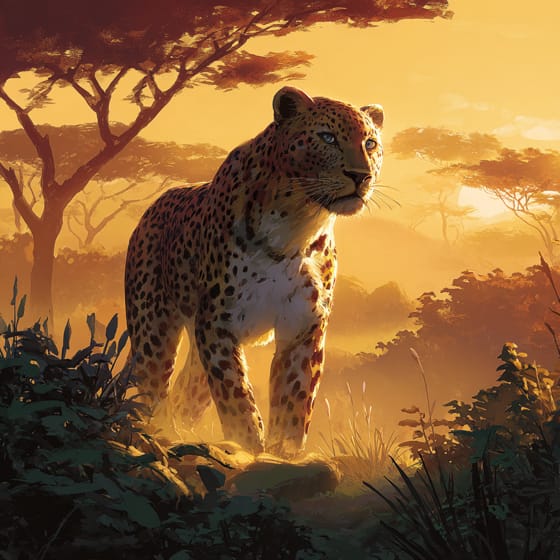
Panthera pardus
Primary predator, especially for young.
Canis simensis
Occasionally preys on young geladas.
Crocuta crocuta
Can hunt them, particularly at night.
Hyparrhenia anamesa
A key food source in their habitat.
Pelzig beschreibt Tiere, die eine dichte Schicht aus weichen Haaren oder Fell besitzen.
Soziale Tiere leben in organisierten Gruppen und kooperieren, um ihr Überleben zu sichern, beispielsweise bei der Nahrungssuche, Verteidigung und Aufzucht der Jungen.
Grasland-Lebensräume sind terrestrische Biome, die von Gräsern und krautigen Pflanzen dominiert werden und einer Vielzahl von Weidetieren als Lebensraum dienen.
Dieses Merkmal kennzeichnet Lebewesen, deren Ernährung vollständig oder hauptsächlich aus pflanzlichem Material besteht.

Dieses Lebensraummerkmal kennzeichnet Arten, die in Bergregionen vorkommen, welche sich durch große Höhen, steile Hänge und unterschiedliche Klimazonen auszeichnen.

Tagaktive Tiere sind hauptsächlich bei Tageslicht aktiv und ruhen oder schlafen in der Regel nachts.

Der Status 'Gefährdet' bedeutet, dass eine Art ohne wirksame Schutzmaßnahmen in absehbarer Zukunft vom Aussterben bedroht sein wird.
Noch keine Alternativnamen vorhanden.
Gefahr
2/5 · Gering
Always observe animals from a distance and do not try to touch or feed them.
50-75 cm
10-20 kg
15-20 Jahre
35 km/h
Geladas munch on grasses, herbs, and roots, making them expert plant-eaters!
Mountain regions
Grazing
1
Zoome hinein, um Cluster aufzulösen und zu sehen, wo dieses Objekt fotografiert wurde.
Neueste Snaps erscheinen hier, wenn neue Beobachtungen hinzukommen.





.jpg&width=800)