geraniums and cranesbills
Geranium
Geraniums are colorful flowers that bloom in many shades like pink, purple, and white. They are often found in gardens and can attract butterflies and bees, making them a fun flower to see!
Lebensraum: Gardens
The geraniums and cranesbills has five-petaled flowers, often in shades of pink, purple, white, or red, sometimes with darker veins or centers. Its leaves are typically lobed or palmate, creating a lush, bushy appearance. The distinctive, beak-like seed pod helps differentiate it from other garden flowers.
Kategorie
PflanzenSeltenheit
Common
Gefahr
1/5 · Sehr gering
Snaps
Mach den ersten Snap!
Parts of certain geraniums were once used to make a dye that changed color with the light!
Some cranesbill species can bloom for many months, providing color from spring until late autumn!
The name "cranesbill" comes from their seed pods, which look exactly like a crane's beak!
Wild geraniums are often called 'Woodland Geraniums' and thrive in shady forest spots!
Geraniums and cranesbills can fling their seeds far away when their unique seed pods burst, helping them spread to new places.
Geraniums and cranesbills have visible lines on their petals, called nectar guides, that direct insects to their sweet nectar for pollination.
Some geraniums and cranesbills have fragrant leaves that release strong scents when touched, deterring hungry animals from eating them.
Apis mellifera
Collects nectar and pollen
Bombus impatiens
Visits flowers for nectar
Cochylidia implicitana
Larvae feed on leaves
Aromatische Pflanzen produzieren und verströmen duftende flüchtige organische Verbindungen, oft zur Abwehr oder um Bestäuber anzulocken.
Blütenpflanzen sind alle Pflanzen, die als Teil ihres Fortpflanzungszyklus Blüten bilden.
Zierpflanzen werden hauptsächlich wegen ihres ästhetischen Reizes angebaut und verschönern Landschaften und Gärten mit ihrem attraktiven Laub, ihren Blüten oder ihrer Form.
Sommerblühende Pflanzen bringen ihre Blüten während der Sommersaison hervor und sorgen oft für leuchtende Farben, wenn viele andere Pflanzen bereits verblüht sind.

Duftende Blüten verströmen ein angenehmes Aroma, oft um Bestäuber anzulocken oder zur Abwehr.

Beschreibt Pflanzen, die für eine Vielzahl von bestäubenden Organismen besonders attraktiv und nützlich sind.

Farbenfroh beschreibt Organismen oder Objekte, die eine große Vielfalt an leuchtenden und deutlich erkennbaren Farben aufweisen.

Dieses Lebensraummerkmal weist auf Arten hin, die in städtischen und vorstädtischen Umgebungen mit Menschen zusammenleben können und von Menschen geschaffene Strukturen sowie Grünflächen nutzen.
Gefahr
1/5 · Sehr gering
Always wash your hands after touching flowers and ask an adult if you're not sure about a plant.
10-100 cm
15-120 cm
1-5 cm
Spring to fall
Nein
Keine
Mehrjährig
Insekten
Zoome hinein, um Cluster aufzulösen und zu sehen, wo dieses Objekt fotografiert wurde.
Neueste Snaps erscheinen hier, wenn neue Beobachtungen hinzukommen.

District of Columbia, US
Hier kann man sehen östliches Grauhörnchen, Biene und Purpletop Vervain.
Führer anzeigen →
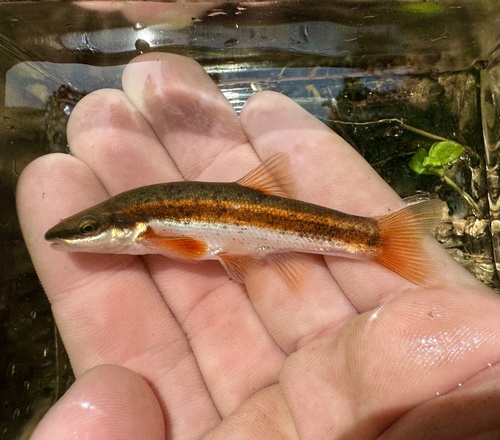
Virginia, US
Hier kann man sehen Eastern Blacknose Dace und Common Jewelweed.
Führer anzeigen →

Grand Est, FR
Hier kann man sehen Bachstelze, Haussperling und Hausmaus.
Führer anzeigen →