

Glaucous-winged Gull
Larus glaucescens
The Glaucous-winged Gull is a large bird with beautiful gray wings and a white body. They love to hang out near the ocean and are often seen flying high in the sky or searching for food on the beach.
Lebensraum: Coastal areas
The Glaucous-winged Gull is a large, sturdy gull with pale, bluish-gray wings and a white head and body. It has pink legs and a sturdy yellow bill with a distinctive red spot on the lower mandible, differentiating it from darker-winged gulls.
Kategorie
VögelSeltenheit
Common
Gefahr
2/5 · Gering
Snaps
Mach den ersten Snap!
A Glaucous-winged Gull once lived for an amazing 49 years in the wild!
These gulls have special glands to drink saltwater without getting sick!
They can drop hard shells from the sky onto rocks to crack open tasty snacks!
They often follow fishing boats, knowing easy fish snacks are about to appear!
Glaucous-winged Gulls can eat almost anything, helping them survive in diverse coastal environments and keep beaches tidy.
Glaucous-winged Gulls have special oily feathers that help them stay dry and warm, even in cold ocean water.
Glaucous-winged Gulls possess excellent eyesight, allowing them to spot food from high above or far away on the ground.
Glaucous-winged Gulls are skilled at snatching food from other birds, helping them get a meal without hunting.
The Glaucous-winged Gull is an opportunistic eater, feasting on almost anything it can find, from fish to human leftovers.
Haliaeetus leucocephalus
Adult gulls and chicks can be prey for eagles.
Mytilus californianus
Drops mussels from heights to break their shells for food.
Engraulis mordax
Catches small fish like anchovies in shallow waters.
Orcinus orca
Rarely, orcas may prey on gulls on the water's surface.
Gefiedert beschreibt Tiere, hauptsächlich Vögel, die ein Federkleid besitzen.
Soziale Tiere leben in organisierten Gruppen und kooperieren, um ihr Überleben zu sichern, beispielsweise bei der Nahrungssuche, Verteidigung und Aufzucht der Jungen.
Aasfresser ernähren sich von toter organischer Substanz und helfen dabei, Kadaver und andere Abfälle im Ökosystem abzubauen.
Fischfressende Organismen sind Tiere, die sich hauptsächlich von Fisch ernähren.

Küstenlebensräume sind dynamische Umgebungen an der Schnittstelle zwischen Land und Meer, die von Gezeiten, Wellen und Salzwasser geprägt sind.

Dieses Merkmal kennzeichnet Organismen, deren Ernährung vollständig oder hauptsächlich aus tierischem Gewebe besteht.

Tagaktive Tiere sind hauptsächlich bei Tageslicht aktiv und ruhen oder schlafen in der Regel nachts.

Wandertiere unternehmen saisonale Wanderungen von einer Region in eine andere, meist als Reaktion auf Klimaänderungen oder Nahrungsverfügbarkeit.
Noch keine Alternativnamen vorhanden.
Gefahr
2/5 · Gering
Watch from a distance and don't feed the gulls, as they can be very curious and might try to grab your food!
50-68 cm
120-150 cm
0.8-1.7 kg
15-25 Jahre
55 km/h
The Glaucous-winged Gull is an opportunistic eater, feasting on almost anything it can find, from fish to human leftovers.
Coastal areas
Foraging
Zoome hinein, um Cluster aufzulösen und zu sehen, wo dieses Objekt fotografiert wurde.
Neueste Snaps erscheinen hier, wenn neue Beobachtungen hinzukommen.
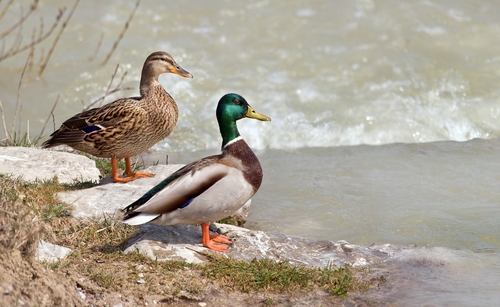
Washington, US
Hier kann man sehen Ente, American Coot und Kanadagans.
Führer anzeigen →

Washington, US
Hier kann man sehen Kanadagans, Ente und American Coot.
Führer anzeigen →
Washington, US
Hier kann man sehen Ente, American Tuliptree und Kanadareiher.
Führer anzeigen →
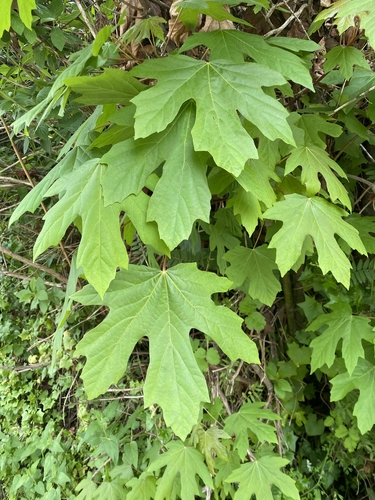
British Columbia, CA
Hier kann man sehen Bigleaf Maple, Western Sword Fern und Vanilla Leaf.
Führer anzeigen →
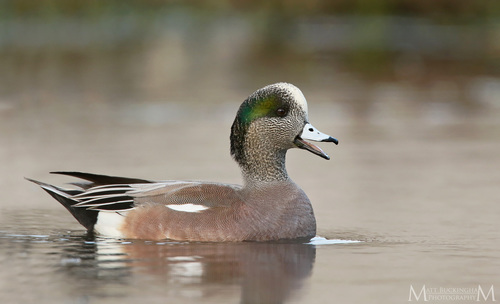
Washington, US
Hier kann man sehen American Wigeon und Madrone Skin Miner.
Führer anzeigen →
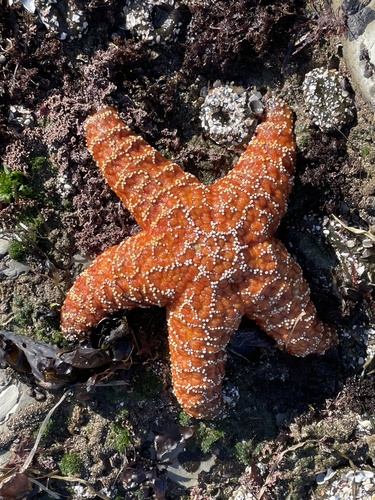
Washington, US
Hier kann man sehen Ochre Sea Star, Purple Shore Crab und Strawberry Tree.
Führer anzeigen →