






Gray Catbird
Dumetella carolinensis
The Gray Catbird is a clever bird known for its beautiful gray feathers and sweet singing. It loves to hide in bushes and can mimic the sounds of other birds!
Lebensraum: Urban areas
The Gray Catbird is a medium-sized songbird with a sleek, dark slaty-gray body. It has a distinctive black cap on its head and a bright rusty-brown patch hidden under its tail, making it easy to identify.
Kategorie
VögelSeltenheit
Common
Gefahr
1/5 · Sehr gering
Snaps
Mach den ersten Snap!
A male catbird can learn over 100 different songs!
The rusty patch under their tail is often hidden until they flick it!
Their nest is usually built in thorny bushes to protect chicks!
They can sing for up to 10 minutes without stopping!
Gray Catbird can mimic the songs of many other birds and even other sounds because of its complex vocal cords.
Gray Catbird has agile flight and a slender body that helps them expertly navigate thick bushes and dense vegetation.
Gray Catbird can release a foul-smelling secretion when threatened, which helps them deter predators.
Gray Catbirds are omnivores, meaning they enjoy a tasty mix of insects, spiders, and a variety of sweet berries.
Accipiter cooperii
Young and adult catbirds are hunted by these agile raptors.
Panthera catus
Domestic cats are a significant predator, especially near human homes.
.jpg&width=800)
Molothrus ater
Cowbirds lay their eggs in catbird nests, tricking them into raising their young.
.jpg&width=800)
Rubus allegheniensis
Catbirds consume ripe berries, helping to spread their seeds.
Populus tremuloides
They build nests and find cover in the dense foliage of such trees and shrubs.
Gefiedert beschreibt Tiere, hauptsächlich Vögel, die ein Federkleid besitzen.
Soziale Tiere leben in organisierten Gruppen und kooperieren, um ihr Überleben zu sichern, beispielsweise bei der Nahrungssuche, Verteidigung und Aufzucht der Jungen.
Singende Tiere erzeugen komplexe Lautäußerungen, oft um Partner anzulocken, ihr Revier zu verteidigen oder innerhalb ihrer Art zu kommunizieren.
Dieses Merkmal kennzeichnet Organismen, deren Nahrung hauptsächlich aus Insekten und anderen kleinen Wirbellosen besteht.

Tagaktive Tiere sind hauptsächlich bei Tageslicht aktiv und ruhen oder schlafen in der Regel nachts.

Dieses Lebensraummerkmal weist auf Arten hin, die in städtischen und vorstädtischen Umgebungen mit Menschen zusammenleben können und von Menschen geschaffene Strukturen sowie Grünflächen nutzen.
Noch keine Alternativnamen vorhanden.
Gefahr
1/5 · Sehr gering
Enjoy watching birds from a distance and don't try to touch them.
21-24 cm
22-30 cm
0.023-0.056 kg
2-10 Jahre
40 km/h
Gray Catbirds are omnivores, meaning they enjoy a tasty mix of insects, spiders, and a variety of sweet berries.
Urban areas
Foraging
Zoome hinein, um Cluster aufzulösen und zu sehen, wo dieses Objekt fotografiert wurde.
Neueste Snaps erscheinen hier, wenn neue Beobachtungen hinzukommen.
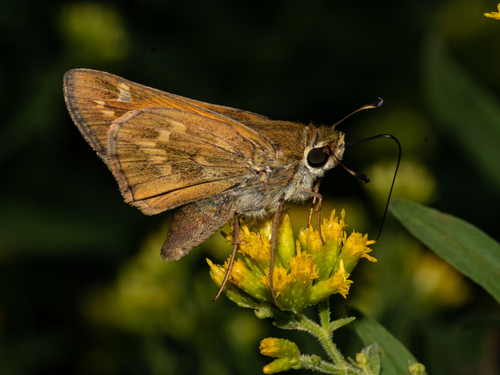
New Jersey, US
Hier kann man sehen Huron Skipper, Kanadareiher und Wanderdrossel.
Führer anzeigen →
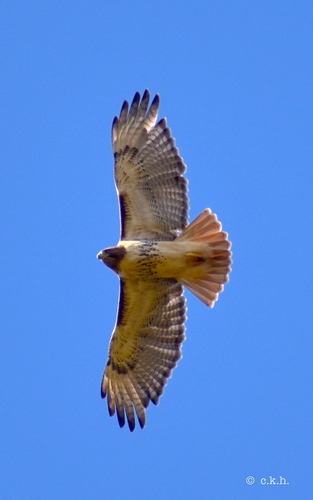
New Hampshire, US
Hier kann man sehen Rotschwanzbussard, Rotkardinal und Chipping Sparrow.
Führer anzeigen →

Virginia, US
Hier kann man sehen Weißwedelhirsch, Haussperling und östliches Grauhörnchen.
Führer anzeigen →
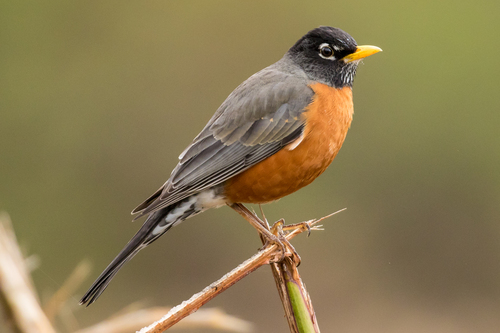
Virginia, US
Hier kann man sehen Wanderdrossel, Rotkardinal und Haussperling.
Führer anzeigen →
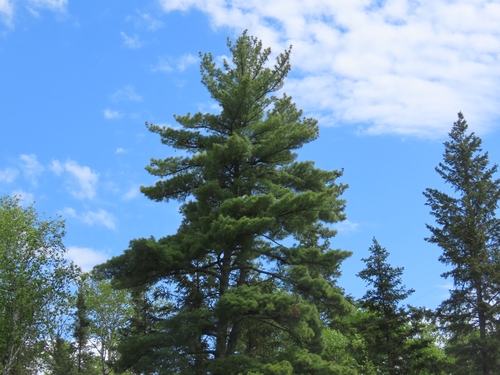
Connecticut, US
Hier kann man sehen Weymouth-Kiefer, Kanadische Hemlocktanne und Berglorbeer.
Führer anzeigen →
.jpg)
District of Columbia, US
Hier kann man sehen Ente, östliches Grauhörnchen und Europäischer Star.
Führer anzeigen →













_Buenos_Aires.jpg&width=800)
