Gray Fox
Urocyon cinereoargenteus
The Gray Fox is a clever little animal with a beautiful gray coat. They are great climbers and can often be seen resting in trees. These foxes are shy and prefer to stay hidden during the day.
Lebensraum: Forests
The Gray Fox has grizzled gray fur on its back, head, and sides, with reddish-brown patches on its neck, legs, and flanks. Its belly is white, and a distinct black stripe runs down its bushy tail, ending in a black tip. Unlike other foxes, it has short, stocky legs.
Kategorie
SäugetiereSeltenheit
Common
Gefahr
2/5 · Gering
Snaps
Mach den ersten Snap!
Gray Fox pups, called kits, stay with their parents for many months learning to hunt.
Gray Foxes are one of the most ancient canids, evolving millions of years ago!
Their diet is incredibly varied, eating everything from mice to ripe berries and insects!
They are the only canid that can semi-retract its claws, like a cat!
Gray Fox can climb trees with ease, using strong claws and flexible wrists to escape predators or find food.
Gray Fox has semi-retractable claws, rare for a canid, that help them grip tree trunks like a cat!
Gray Fox can thrive on a very diverse diet, switching from meat to fruits and nuts with the seasons.
A versatile omnivore, eating small animals, birds, insects, and lots of fruits and plants.
.JPG&width=800)
Sylvilagus floridanus
A common prey item for Gray Foxes.
Peromyscus maniculatus
Small mammals form a key part of their diet.
Quercus alba
Eats acorns and uses trees for shelter.
Bubo virginianus
Predates on young kits or smaller adults.
Pelzig beschreibt Tiere, die eine dichte Schicht aus weichen Haaren oder Fell besitzen.
Einzelgänger leben den größten Teil ihres Lebens allein und interagieren mit Artgenossen nur zur Paarung oder zur Aufzucht der Jungen.
Baumbewohnende Tiere leben hauptsächlich in Bäumen und nutzen diese als Unterschlupf, Nahrungsquelle und zum Schutz vor Raubtieren.
Waldlebensräume sind terrestrische Lebensräume, die von dichtem Baumbestand dominiert werden und eine große Vielfalt an Pflanzen- und Tierarten beherbergen.

Dieses Merkmal kennzeichnet Organismen, deren Ernährung vollständig oder hauptsächlich aus tierischem Gewebe besteht.

Nachtaktive Tiere sind hauptsächlich in den Nachtstunden aktiv und ruhen oder schlafen normalerweise tagsüber.
Gefahr
2/5 · Gering
If you see a fox, it's best to watch from a distance and not approach it.
76-112 cm
3.6-7 kg
6-10 Jahre
48 km/h
A versatile omnivore, eating small animals, birds, insects, and lots of fruits and plants.
Forests
Foraging
2-7
Zoome hinein, um Cluster aufzulösen und zu sehen, wo dieses Objekt fotografiert wurde.
Neueste Snaps erscheinen hier, wenn neue Beobachtungen hinzukommen.
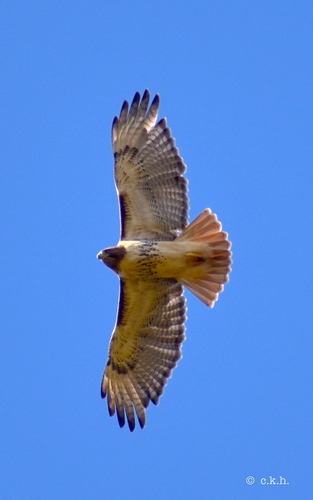
New Hampshire, US
Hier kann man sehen Rotschwanzbussard, Rotkardinal und Chipping Sparrow.
Führer anzeigen →
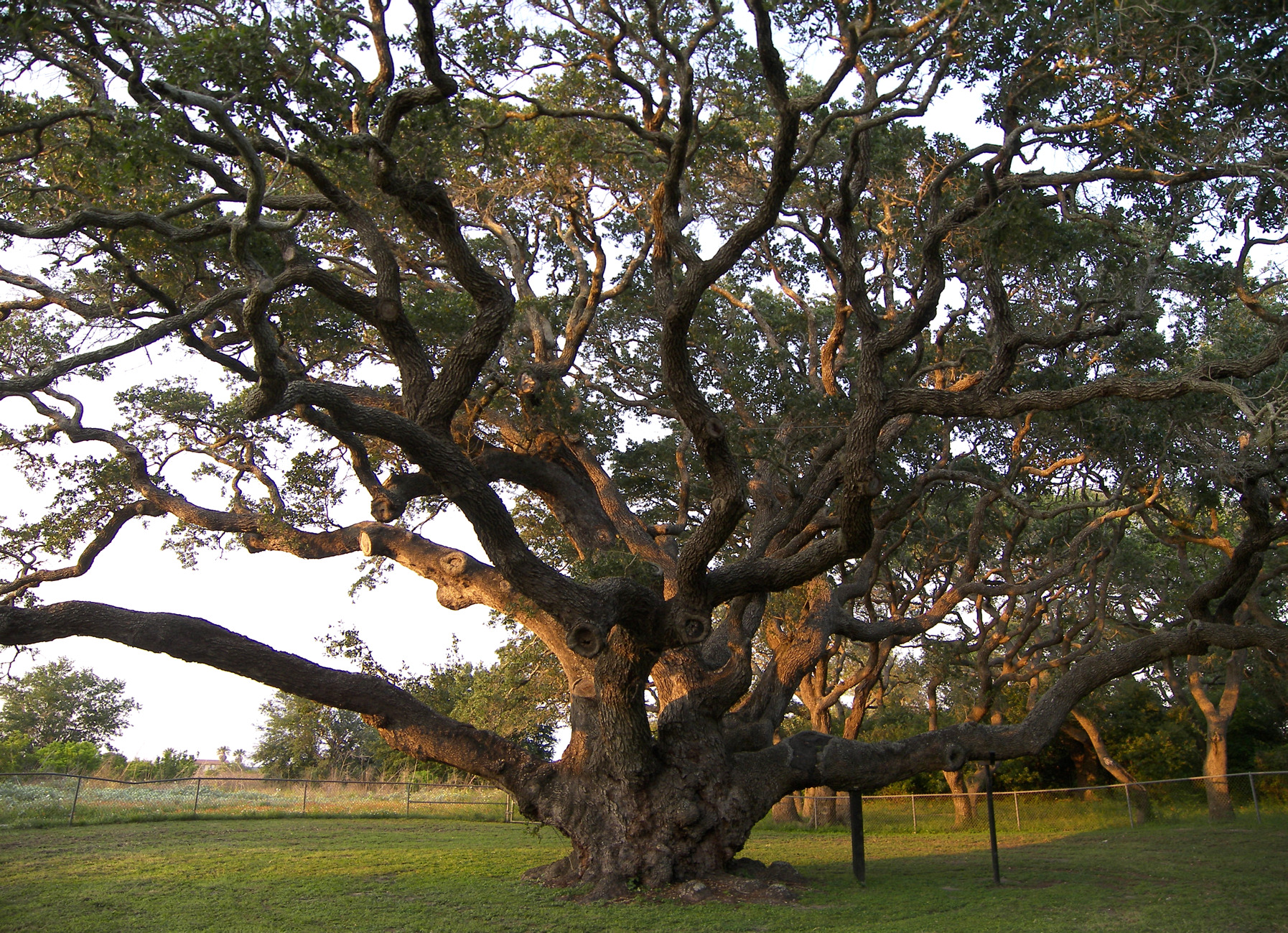
Texas, US
Hier kann man sehen Brauner Pelikan, Weißwedelhirsch und Laughing Gull.
Führer anzeigen →

California, US
Hier kann man sehen Rotfuchs, Grauwolf und Ente.
Führer anzeigen →
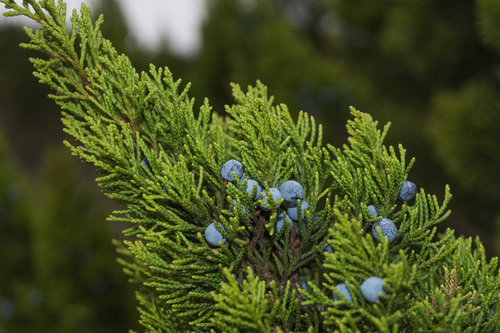
Texas, US
Hier kann man sehen Ashe Juniper, Texas Bluebonnet und Texas Live Oak.
Führer anzeigen →

North Carolina, US
Hier kann man sehen American Turkey Oak, Longleaf Pine und Spiny Spikemoss.
Führer anzeigen →

California, US
Hier kann man sehen Warrior's Plume, Diogenes' Lantern und Checker Lily.
Führer anzeigen →