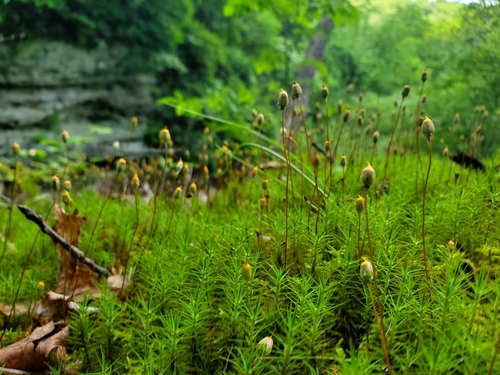


Haircap Mosses
polytrichum
Step into any damp, acidic woodland and you may feel as though you have shrunk when you gaze upon the carpet of Haircap Mosses (genus Polytrichum). These fascinating ancient plants resemble miniature pine forests, with stiff, needle-like leaves radiating from upright, reddish stems. Unlike most mosses, which are highly limited in height due to a lack of internal plumbing, haircap mosses possess a primitive vascular-like system of water-conducting cells. This evolutionary marvel allows them to stand remarkably tall, occasionally reaching heights of up to 20 centimeters. These hardy pioneering bryophytes play an indispensable role in their ecosystems, stabilizing loose soils, preventing erosion, and creating lush, moisture-retaining microhabitats.
Lebensraum: Found on acidic, nutrient-poor soils in damp woodlands, bogs, heaths, and rocky slopes.
Haircap Mosses are easily identified by their stiff, dark green to bluish-green pointed leaves that spiral around upright, reddish-brown stems, closely resembling miniature conifer seedlings. The leaves are sharply pointed, often ending in a tiny hair-tip, and are tightly pressed against the stem when dry, but spread widely when moist. During the reproductive phase, they produce erect sporophytes topped with a distinct, angled spore capsule. This capsule is initially covered by a conspicuous, golden-brown, hairy cap (calyptra), which gives the genus its common name.
Kategorie
PflanzenSeltenheit
Common
Gefahr
1/5 · Sehr gering
Snaps
Mach den ersten Snap!
A single clump of haircap moss actually consists of hundreds of individual plants packed tightly together to share moisture through capillary action.
Historically, several Indigenous cultures used dried haircap moss to weave durable sleeping mats, baskets, and even camp bedding due to its springy nature.
The name 'haircap' refers to the densely hairy calyptra that covers the developing spore capsule like a woolly hood.
Possesses specialized hydroids and leptoids that form a primitive vascular-like system to efficiently transport water and nutrients, allowing them to grow taller than other mosses.
Can survive extreme dry spells by dehydrating completely, entering dormancy, and fully reviving within minutes of contact with water.
Folds its leaves tightly against its stems during dry conditions to reduce water loss, then unfolds them when moist to optimize photosynthesis.
As a non-vascular photosynthetic plant, it produces its own energy using sunlight, water, and carbon dioxide.
Plethodon cinereus
Provides a moist, sheltered microhabitat that prevents desiccation in terrestrial amphibians.
Poecile hudsonicus
Gathers and utilizes the soft, fibrous moss to line and insulate its winter nests.
Arion subfuscus
Feeds opportunistically on the moist leaves and spore-producing capsules of the moss.
Für dieses Objekt sind noch keine Merkmal-Badges vergeben.
Noch keine Alternativnamen vorhanden.
Sammlungen für dieses Objekt erscheinen hier, wenn weitere Themen hinzugefügt werden.
Gefahr
1/5 · Sehr gering
Noch keine besonderen Sicherheitshinweise.
Der einfachste Weg, Haircap Mosses zu bestimmen, ist die Verwendung der Naturführer-App Snappit.
2-20 cm
3-10 Jahre
As a non-vascular photosynthetic plant, it produces its own energy using sunlight, water, and carbon dioxide.
Found on acidic, nutrient-poor soils in damp woodlands, bogs, heaths, and rocky slopes.
Zoome hinein, um Cluster aufzulösen und zu sehen, wo dieses Objekt fotografiert wurde.
Neueste Snaps erscheinen hier, wenn neue Beobachtungen hinzukommen.

New Jersey, US
Hier kann man sehen Silberreiher, Weymouth-Kiefer und Haircap Mosses.
Führer anzeigen →
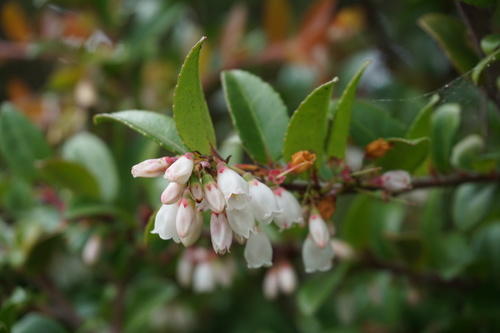
British Columbia, CA
Hier kann man sehen Immergrüne Huckleberry, Salal und Pazifische Erdbeerbaum.
Führer anzeigen →
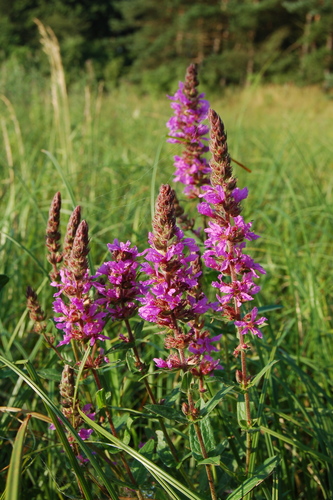
Virginia, US
Hier kann man sehen Blut-Weiderich, Haircap Mosses und Magnolias.
Führer anzeigen →